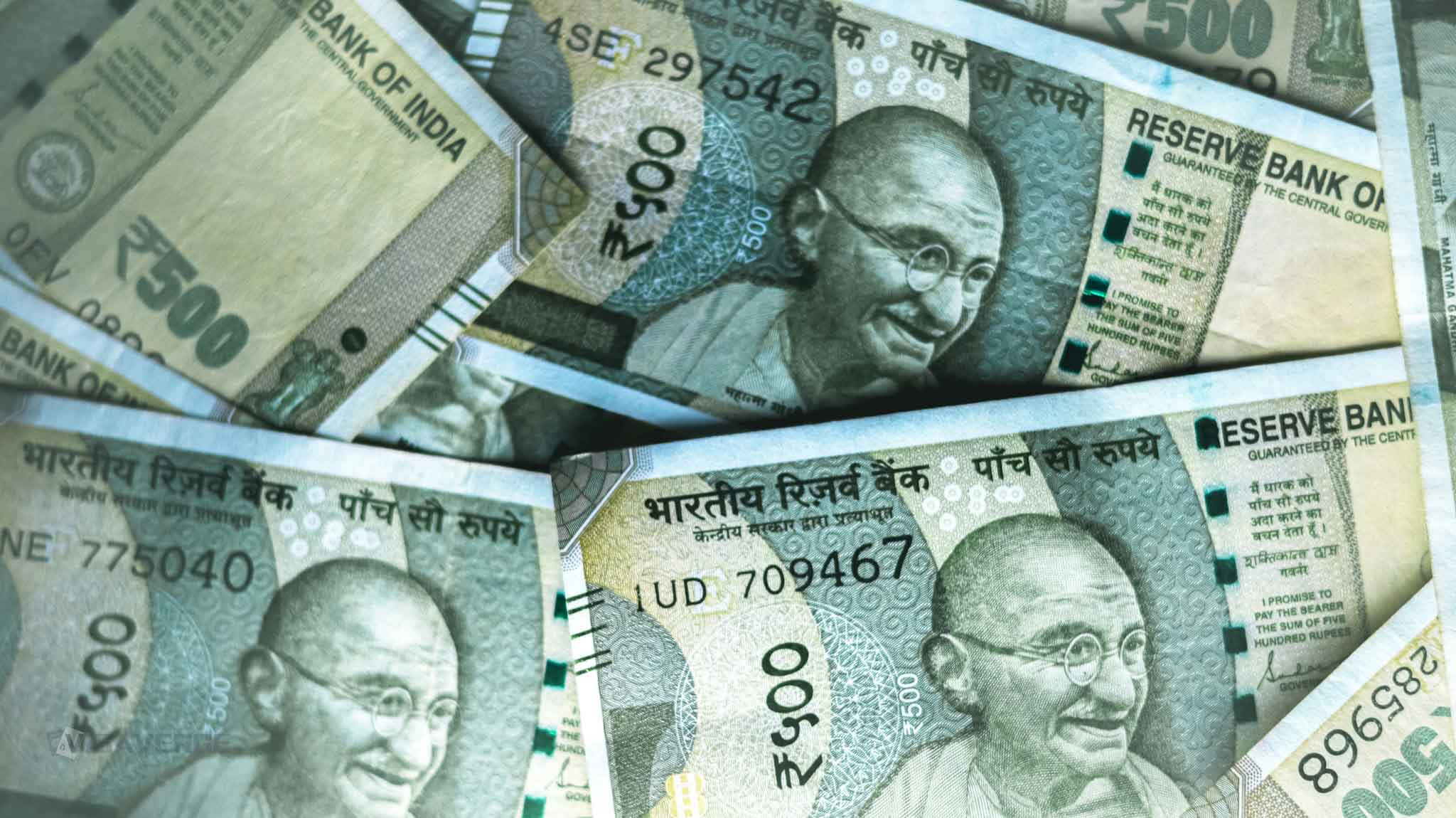
President Trump announced on July 30, 2025, that the United States ?? will impose a 25% tariff on all imports from India ?? starting August 1, 2025. This move, along with an unspecified penalty for India’s continued purchases of Russian oil, marks a sharp escalation in US-India trade tensions and could affect businesses and consumers in both countries.
The new 25% tariff applies to every Indian product entering the United States ??. President Trump stated these actions are a response to what he called India’s “strenuous and obnoxious non-monetary trade barriers” and high tariffs on US goods. He also pointed to India’s ongoing imports of Russian oil and military equipment as a key reason for the penalties. The White House has not yet shared details about how the penalty for Russian oil will work or how much it will cost Indian companies.
Indian exporters now face higher costs when selling to the United States ??. Sectors like steel, automotive parts, aluminum, textiles, and pharmaceuticals—some of India’s biggest exports—are expected to be hit the hardest. US importers may also see higher prices, which could be passed on to American consumers or force companies to look for new suppliers.
For Indian companies involved in buying Russian oil or military equipment, the situation is even more uncertain. The penalty for these transactions is not yet clear, but it could include financial sanctions, limits on using US dollars, or even being blocked from US markets. The US Treasury’s Office of Foreign Assets Control (OFAC) is expected to release more information soon. Until then, companies are advised to review their contracts and supply chains and seek legal advice if they have ties to Russian oil or defense deals.
India ?? is Russia’s largest energy customer, with Russian oil making up about 35% of its imports as of June 2025. India also buys around $80 billion in Russian military equipment. Since 2022, the United States ?? has increased sanctions on Russia, especially in the energy sector, and has asked allies to cut back on Russian oil purchases. However, India has continued its relationship with Russia, which is now drawing direct penalties.
US Trade Representative Jamieson Greer said talks with India on market access and tariff reductions have stalled, especially in sensitive areas like dairy and agriculture. NATO Secretary General Mark Rutte warned that India, China, and Brazil could face “secondary sanctions” for buying Russian oil.
Indian business leaders worry about the impact on exports and the risk of a trade war if India responds with its own tariffs. US policy experts say these measures may push India to find new partners or payment systems, possibly weakening US influence.
US Customs and Border Protection (CBP) will start collecting the 25% tariff on Indian goods from August 1, 2025. For official updates on tariffs and penalties, visit the US Department of the Treasury’s OFAC page.
As reported by VisaVerge.com, the full impact of the 25% tariff and Russian oil penalty will depend on how the US enforces these rules and whether India and the United States ?? can reach a new trade agreement in the coming months.
Learn Today
Tariff → A tax imposed on imported goods to increase their cost and protect domestic industries.
Penalty → A punishment or sanction imposed for violating trade or legal regulations.
Russian Oil → Crude petroleum sourced from Russia, significant in India’s import portfolio.
US Customs and Border Protection (CBP) → US agency responsible for collecting tariffs and enforcing import laws.
Office of Foreign Assets Control (OFAC) → US Treasury office that administers economic and trade sanctions.
This Article in a Nutshell
On August 1, 2025, the US enforces a 25% tariff on Indian imports amid escalating trade tensions and penalties for Russian oil purchases, impacting major export sectors and complicating US-India relations.
— By VisaVerge.com