Key Takeaways
• Trump uses 1798 Alien Enemies Act on March 14, 2025, to deport 200 Venezuelans.
• Fines reaching $998 daily penalize deported immigrants remaining in the U.S.
• Ukrainian refugees lose temporary status, affecting humanitarian parole programs.
The Trump administration’s recent deportation policies have stirred significant debate, primarily focusing on concerns related to due process. These actions reflect a broader shift in U.S. immigration policy, highlighting the tension between maintaining national security and upholding constitutional rights. The administration’s choices have considerable social and political implications, drawing attention from legal experts, advocacy groups, and the general populace alike. This analysis delves into several key actions taken by the administration, their legal ramifications, and the broader implications for due process and constitutional protections.
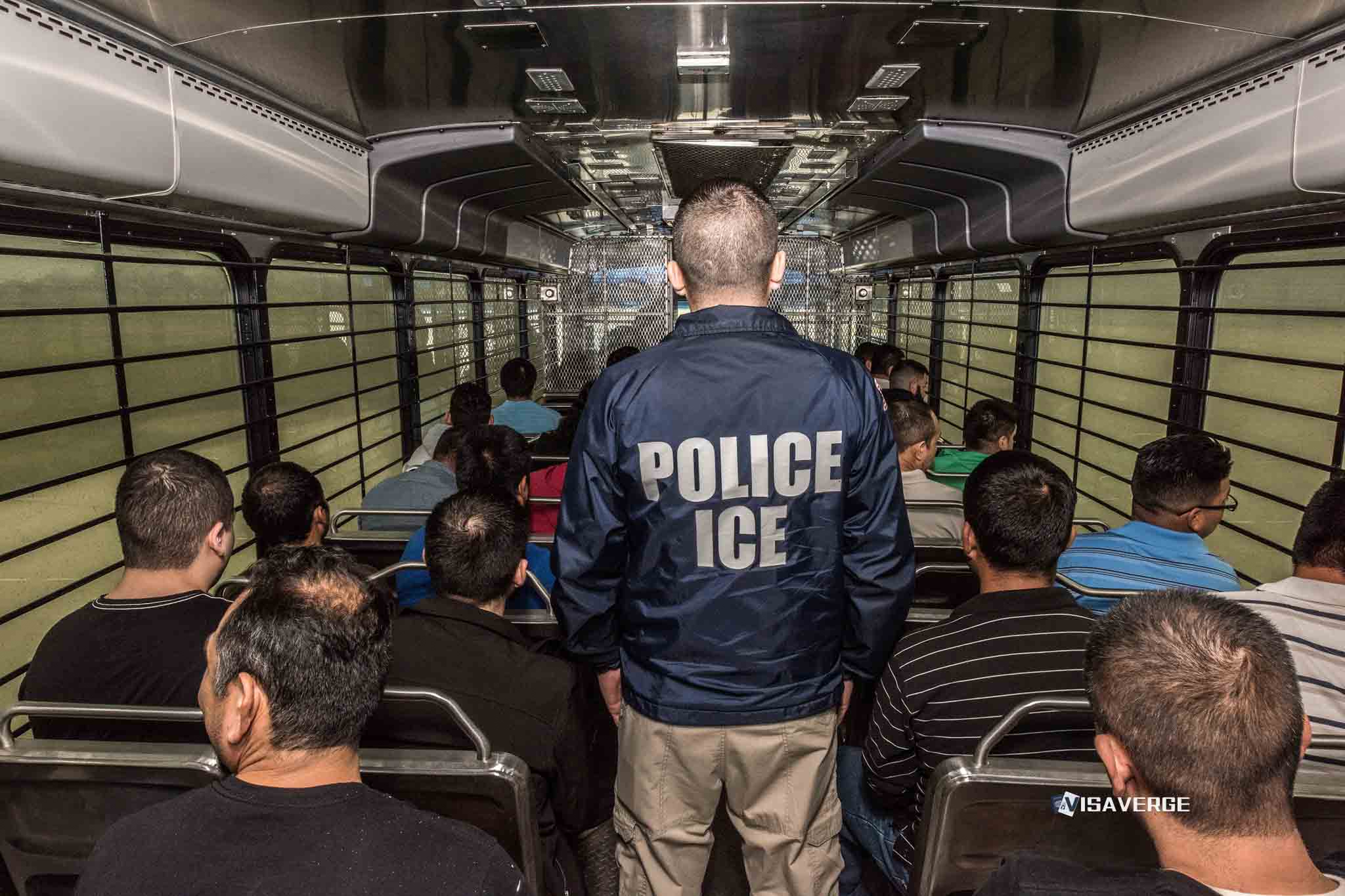
The invocation of the Alien Enemies Act of 1798 is among the most contentious actions undertaken by the Trump administration. This particular law, created during a time of war, gives the U.S. government the power to deport foreign nationals from countries that are considered hostile. On March 14, 2025, the administration used this old law to deport Venezuelan nationals suspected of being part of the Tren de Aragua gang. More than 200 individuals were sent to El Salvador’s Terrorism Confinement Center (CECOT). Initially, a U.S. District Judge stopped these deportations, but the Supreme Court later allowed them, provided that the individuals were informed and had the chance to challenge their deportation.

Critics argue that using a law designed for wartime enemies for alleged gang members is a significant overextension of power. They suggest that this misuse challenges fundamental due process rights, which are supposed to protect individuals from government overreach. Historically, the Alien Enemies Act was intended to handle threats during wartime, not to manage immigration concerns in times of peace. As reported by VisaVerge.com, this decision underscores a growing fear that the administration is disregarding proper legal procedures, which threatens to erode foundational democratic principles.
Another controversial decision made by the administration is the revocation of temporary legal status for about 240,000 Ukrainian refugees. These refugees initially sought safety in the U.S. because of the ongoing conflict with Russia. Revoking their legal standing puts them at risk of being deported, marking a fundamental shift from past humanitarian efforts. Additionally, this action is part of a larger strategy to eliminate various humanitarian parole programs that the previous administration set up, affecting potentially over 1.8 million migrants from diverse backgrounds. This move has seen backlash from many advocacy groups who argue that it disregards these migrants’ humanitarian needs and their positive contributions to society in the U.S.
To further intensify self-deportation efforts, the Trump administration has introduced hefty financial penalties. Starting April 8, 2025, migrants with deportation orders who remain in the U.S. face fines of $998 daily. These fines can quickly add up to enormous debts, especially when retrospectively applied, potentially reaching over one million dollars. The administration has also proposed making Social Security numbers inactive for immigrants who lose their legal status. This action would effectively cut them off from accessing financial services and benefits, as their names would be added to the Social Security Administration’s “death master list.” Such measures are seen as means to put financial pressure on individuals, pushing them toward voluntary departure without proper due process.
The Trump administration’s approach has faced several legal challenges. A significant number of legal experts, including those from the National Association of Criminal Defense Lawyers, have criticized these methods. They argue that these tactics are a dangerous deviation from the U.S. Constitution. The primary concern is the lack of due process, as many accusations lack supporting evidence, and some individuals are denied legal representation. For example, U.S. District Judge Brian Murphy has expressed concerns about new policies that permit fast deportations to nations not previously stated in immigration proceedings, emphasizing that these actions might not align with due process standards.
A real-life case highlighting these potential errors involves Kilmar Abrego Garcia, who was wrongly deported to El Salvador despite a protective court order shielding him from such actions. U.S. District Judge Paula Xinis has ordered his return to the U.S., although the U.S. State Department remains unclear on how it plans to facilitate this process. This case underscores the potential pitfalls in the administration’s current deportation strategy, emphasizing the necessity of balancing enforcement with judicial oversight to prevent such errors.
Reactions to these policies from various stakeholders have been strong and vocal. Immigrant advocacy groups, legal experts, and ordinary citizens have expressed their opposition. At the forefront, the American Civil Liberties Union (ACLU) has filed lawsuits against the administration’s rapid deportation policies, arguing that they bypass constitutional protections. Additionally, the decision to cut $367 million in legal aid for unaccompanied migrant children has drawn sharp criticism from groups advocating for children’s rights. They caution that this reduced support severely jeopardizes due process for these vulnerable minors.
The broader impact of these developments has sparked nationwide debates about the balance between national security and individual freedoms. Critics warn that bypassing established due process creates a dangerous precedent, potentially affecting not only immigrants but all U.S. residents. The use of peacetime measures in the guise of wartime laws for immigration enforcement raises meaningful questions about the boundaries of government power and the judiciary’s role in upholding essential democratic protections.
In conclusion, the Trump administration’s intensified deportation efforts exhibit monumental shifts in U.S. immigration policy, provoking serious concerns about due process and individual rights. As these policies face ongoing legal scrutiny and public censure, the administration’s strategies will likely remain a central topic in immigration discourse. The current trajectory marks a critical juncture in the immigration narrative of the United States, demanding careful reflection on aligning national security needs with America’s core values of justice and equality. Given the complexities associated with these developments, individuals and organizations affected by these changes should consider seeking professional legal advice tailored to their specific circumstances.
Readers who wish to delve deeper into the original legislative documents or get official updates regarding these policies can visit the website of the U.S. Citizenship and Immigration Services (USCIS). This site is an invaluable resource for staying informed with credible, up-to-date information provided directly by the government.
Learn Today
Alien Enemies Act → A 1798 law enabling deportation of nationals from hostile nations, controversially used for non-wartime immigration control.
Due Process → Legal requirement ensuring fair treatment through the normal judicial system, challenged by current deportation policies.
CECOT → Terrorism Confinement Center in El Salvador where deported individuals were sent.
Humanitarian Parole → Program allowing temporary legal status based on urgent humanitarian conditions, now under threat.
National Association of Criminal Defense Lawyers → Organization opposing deportation methods, advocating for constitutional rights.
This Article in a Nutshell
The Trump administration’s deportation policies raise serious due process concerns. Invoking historic laws and imposing harsh penalties challenge constitutional rights. Notably, 200 Venezuelans were deported, 240,000 Ukrainian refugees lost legal protections, and severe fines were introduced. These strategies, criticized by legal experts and advocacy groups, signal shifts in U.S. immigration policies.
— By VisaVerge.com
Read more:
• University of Florida students seek legal aid after deportation
• Christian immigrants who supported Trump now face deportation
• Kentucky Unions Fight to Stop Deportation of Hundreds of Workers
• Brian E. Murphy blocks deportations to third countries until next week
• Self-deportation rises under Trump administration policies