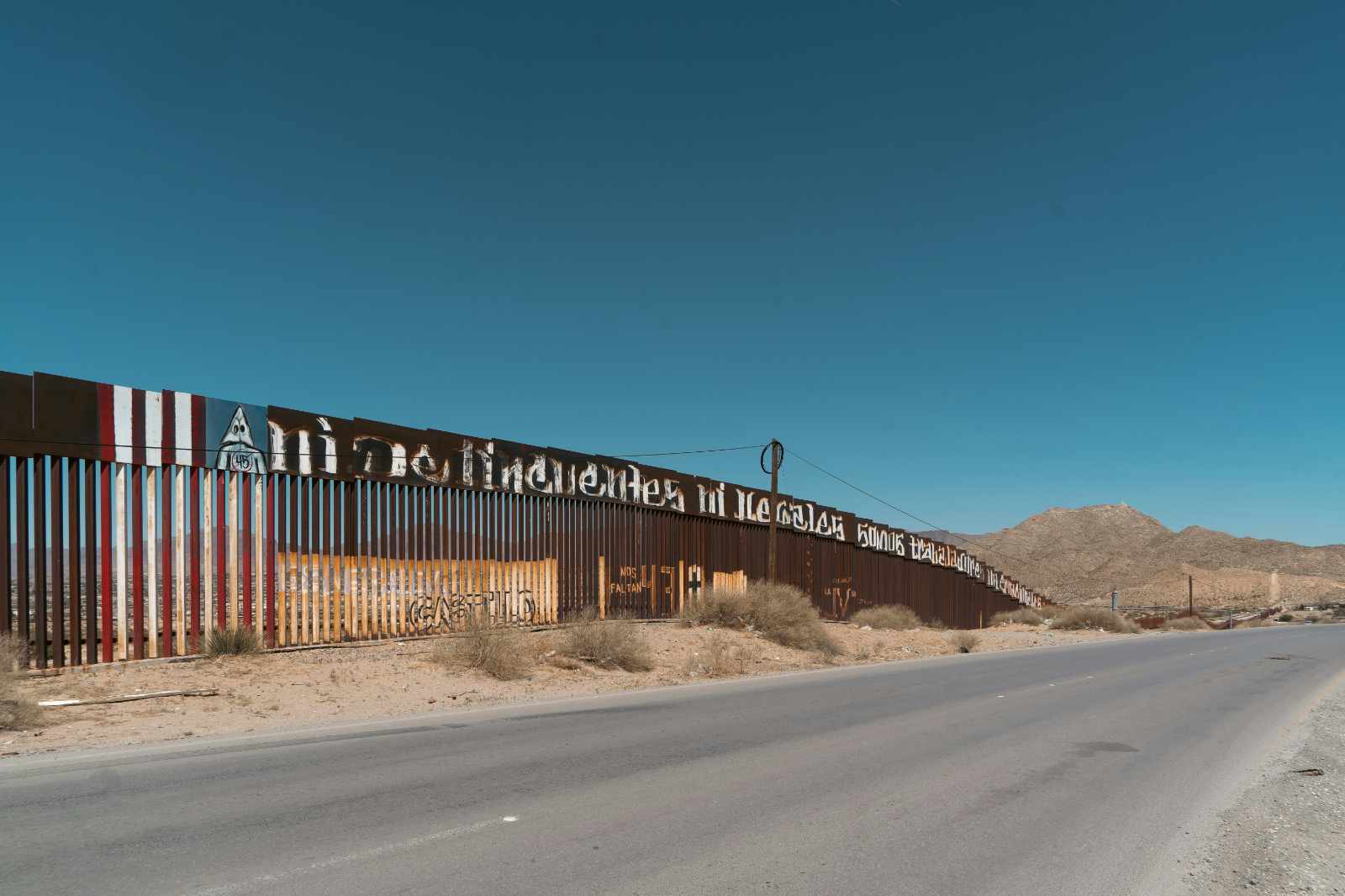
- The Trump administration is intensifying pressure on sanctuary jurisdictions through expanded ICE enforcement and funding cuts.
- Sanctuary policies limit local police cooperation with federal immigration authorities to build community trust.
- The movement originated in the 1980s when religious groups sheltered refugees fleeing violence in Central America.
(U.S.) — The Trump administration intensified pressure on sanctuary jurisdictions as ICE Enforcement expanded across major U.S. cities, renewing a decades-old fight over how far local governments should go in limiting cooperation with federal immigration authorities.
Sanctuary Policies have moved back to the center of U.S. immigration politics after comments by former Homeland Security Secretary Kristi Noem and a broader push by the Trump administration to penalize sanctuary cities while expanding immigration enforcement in major urban areas.

For immigrants, visa holders, mixed-status families, international students, and employers, the clash is not only political. It can shape day-to-day interactions with police, detention risks, local protections, and the wider climate around immigration enforcement.
Sanctuary policies generally refer to city, county, or state rules that limit how local law enforcement cooperates with U.S. Immigration and Customs Enforcement (ICE). In practice, they often focus on restricting compliance with immigration detainers, limiting information-sharing, or directing local police not to enforce federal immigration law on their own.
Jurisdictions vary widely in how they design and apply these rules. Some policies focus on police conduct during street encounters, while others center on jail practices, including whether local authorities hold someone longer at ICE’s request or share information that could ease a transfer into federal custody.
Local carve-outs and exceptions also shape how these policies work in real life. Even where leaders use the same label, a city policy and a county policy can produce different results, especially when county jails, rather than city police, control booking and release.
The term itself remains contested, reflecting dueling arguments about public safety and community trust. Supporters argue sanctuary rules help build trust between immigrant communities and local authorities, while critics say the policies obstruct federal enforcement.
The current administration has strongly backed the second view. It has described sanctuary jurisdictions as dangerous and promised financial or legal consequences for localities that do not fully cooperate.
The debate intensified after a March 6 report by The Guardian described expanded federal enforcement activity and increased pressure on sanctuary jurisdictions. The report cited cities including Los Angeles, Minneapolis, Chicago, and Washington, D.C., places where sanctuary-style protections have held significant political and legal importance.
Trump also moved to cut federal funding to sanctuary jurisdictions, the report said. At the same time, the administration’s public messaging portrayed cooperation with federal authorities as a public-safety issue, tying local participation in ICE Enforcement to the idea of preventing harm.
That framing remains highly contested. Research cited in the report found no clear evidence that sanctuary policies increase crime.
Other studies cited in the report linked sanctuary-style policies to outcomes including improved labor-force participation, lower reliance on public assistance, and better reporting of crimes such as domestic violence in immigrant communities. The studies were presented as part of a broader debate over whether limits on local-federal cooperation change behavior in ways that supporters argue improve safety and stability.
Sanctuary policies did not start as a modern dispute among city halls, county boards, and Washington. The movement’s roots trace back to the 1980s, when religious groups in the United States began sheltering and assisting refugees fleeing violence in Central America, especially El Salvador and Guatemala.
Many faith leaders at the time believed U.S. asylum policy was failing people escaping war and political persecution. Churches, synagogues, and other congregations offered housing, food, transportation, and legal support, and in some cases publicly sheltered migrants to draw attention to what they saw as unfair asylum denials.
As the movement grew, it influenced local governments. During the 1980s, several cities adopted “sanctuary” or “city of refuge” resolutions, while some states moved toward broader protections.
Over time, what began as a moral and religious response evolved into a policy framework adopted by hundreds of U.S. jurisdictions. That shift—from individual congregations providing refuge to written policies and rules—helped define the modern template for how local governments can attempt to limit entanglement with federal immigration enforcement.
The historical precedent matters now because it shows how local resistance and federal pressure can escalate together. Today’s conflict again centers on friction points that arise when federal immigration priorities collide with local governance choices about policing, jails, and public services.
The movement also left a lasting legacy in immigration policy debates beyond local law enforcement. One long-term effect was its role in exposing weaknesses in the U.S. immigration and asylum system, and legal and advocacy pressure tied to those efforts eventually helped secure immigration protections for large numbers of Central American migrants.
The Guardian report connected that history to later reforms, including the creation of Temporary Protected Status (TPS) under the 1990 Immigration Act. TPS remains a major part of U.S. humanitarian immigration policy today, offering temporary lawful status and work authorization to eligible nationals of designated countries facing armed conflict, environmental disaster, or other extraordinary conditions.
That link matters in today’s sanctuary disputes because the arguments are not limited to whether local police should assist ICE. They also touch broader questions that have long shaped U.S. immigration debates, including asylum access, humanitarian protections, detention practices, and how immigration enforcement interacts with local institutions.
Whether sanctuary policies protect immigrants in practice depends on what a jurisdiction wrote into policy and how it applies those rules under federal pressure. Supporters say sanctuary policies reduce fear in immigrant communities and make it easier for people to report crimes, send children to school, seek medical care, and participate in local life without constant fear that routine contact with local authorities could lead to deportation.
Research cited in the report suggested the policies may contribute to better public-safety outcomes for some communities. The argument rests on the idea that residents are more likely to interact with police as witnesses or victims when they do not fear that an encounter will bring ICE attention.
Scholars interviewed by The Guardian, however, warned that sanctuary laws often do not fully prevent cooperation with ICE. Local jail transfers, police interactions, and administrative exceptions can still result in immigrants being turned over to federal authorities.
In that sense, the sanctuary label can obscure what actually happens on the ground. A jurisdiction might limit some forms of information-sharing while still allowing other pathways for federal agents to identify, locate, or take custody of a person.
The gap between the promise of sanctuary and the reality of enforcement becomes more important when federal activity rises. As the administration pushes harder and increases pressure, the consequences of exceptions, discretion, and uneven implementation can expand, especially around jails and release decisions.
The sanctuary fight also reaches beyond undocumented immigrants, even when the public debate centers on that population. The broader enforcement environment can affect many noncitizens, including F-1 students worried about local encounters leading to immigration complications.
H-1B and other temporary workers in mixed-status households also watch these developments closely. So do green card applicants with prior immigration violations in their records, as well as families navigating asylum, TPS, or other humanitarian claims.
Employers and universities have a stake as well, particularly when they try to understand compliance risks in what the report described as a shifting enforcement landscape. Public messaging and high-profile enforcement can influence how institutions communicate with workers and students, and how communities interpret the risk of routine interactions with local authorities.
Even where sanctuary policies exist, they do not create immunity from federal immigration law. ICE retains authority to enforce immigration statutes, and local protections vary widely from one jurisdiction to another.
That reality can create confusion for immigrants and families trying to understand what local rules do—and do not—change. A city may limit the role its police play in federal enforcement, while residents still face federal authority that operates regardless of local preferences.
In the current escalation, sanctuary policy has become more than a local governance question. The dispute now sits inside a national struggle over immigration enforcement, federalism, and the practical limits of local resistance to Washington’s agenda.
For local officials, the conflict often turns on the boundary between local responsibilities and federal demands. For federal officials, the dispute centers on how much cooperation is necessary to carry out enforcement goals.
The administration’s approach, as described in The Guardian’s March 6 report, combines pressure on sanctuary jurisdictions, expanded activity in major cities, and efforts to cut federal funding. Those tools sit alongside the political argument that cooperation is essential for public safety.
Scholars cited in the report said the present-day conflict mirrors the 1980s in one important way: aggressive enforcement can also generate stronger public support for protections and reform. As the Trump administration pushes harder against sanctuary jurisdictions, the issue is likely to remain central to U.S. immigration policy in 2026 and beyond.