- The Trump administration halted DHS-funded travel due to a partial government funding lapse starting February 14, 2026.
- FEMA disaster responders face new deployment restrictions as congressional negotiators clash over immigration enforcement oversight and funding.
- Essential personnel continue working without pay at airports and borders, while fee-funded USCIS operations remain largely active.
(UNITED STATES) — The Trump administration ordered a broad halt to DHS-funded travel during a partial Department of Homeland Security funding lapse, tightening controls that have slowed new FEMA deployments and intensified a congressional standoff over immigration enforcement oversight.
The partial shutdown entered its sixth day on Thursday, February 19, 2026, after a funding lapse that began at midnight on February 14, 2026, leaving many DHS personnel working without pay while agencies imposed restrictions tied to lapse-in-appropriation rules.
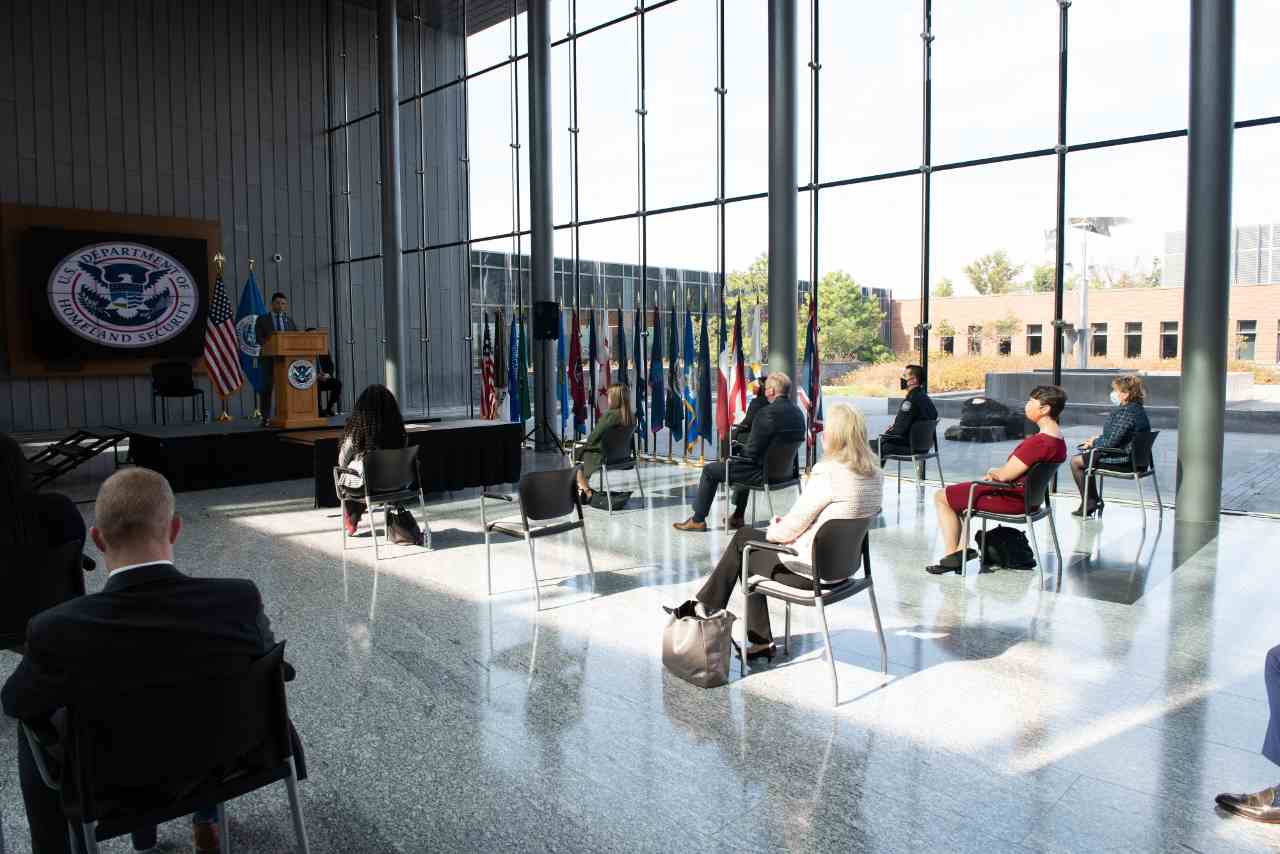
Department of Homeland Security Assistant Secretary Tricia McLaughlin condemned the impasse in a February 17, 2026 statement that linked the funding fight to operational strain across agencies that run airport screening, border enforcement and disaster response. “Shutting down the DHS means cutting off resources and funding to FEMA, TSA, the Coast Guard, and thousands of federal law enforcement officers. Democrats’ reckless partisan games are jeopardizing the safety and security of the American people in the name of scoring political points,” McLaughlin said.
Congress triggered the lapse after lawmakers failed to pass a full-year DHS appropriations bill by the February 13 deadline, as negotiators fought over proposed limits and oversight affecting Immigration and Customs Enforcement and Customs and Border Protection operations.
Many DHS employees remain on the job as “essential” workers, but the funding disruption has forced management decisions that restrict travel, pause some administrative activities, and add senior-level approvals for actions that agencies typically execute more routinely.
DHS leadership directed FEMA to halt most employee travel nationwide, prompting “hundreds” of disaster responders preparing for assignments to stand down and making new deployments subject to senior DHS approval. That shift has slowed surge staffing, especially when FEMA needs to rotate people into active disaster zones or move teams quickly to a new incident.
The travel sensitivity stems from the constraints agencies face during a lapse in appropriations, when routine spending and movements can require heightened review even if the underlying mission remains active. FEMA’s internal communications described the travel halt as tied to DHS-funded travel and the duration of the funding lapse.
Kurt Weirich, FEMA Chief of Staff, described the order in an internal email dated February 18, 2026. “DHS has issued a stop-travel order for all DHS funded travel, effecting 2/18/26, for the duration of the lapse in appropriation. Currently this DOES include disaster travel.”
FEMA’s public posture sought to reassure communities in active disaster areas, while acknowledging that non-essential activities could slow. “FEMA travel related to active disasters is not cancelled. While some non-essential activities will be paused or scaled back, FEMA remains committed to supporting communities and responding to incidents,” FEMA spokesperson Daniel Llargués said on February 18, 2026.
Even with FEMA staff already deployed to disaster zones, the travel halt complicates backfilling, relief rotations and the quick ramp-up that supports Disaster Recovery Centers and claims validation when a new emergency hits. Without routine travel authority, managers can face bottlenecks that reshape staffing decisions in real time.
The FEMA restrictions have drawn attention in part because the Disaster Relief Fund operates as a separate account from annual DHS appropriations, and it typically supports core disaster response costs. Still, the Trump administration applied the travel freeze broadly during the lapse, reflecting how administrative and travel rules can tighten even when relief dollars exist.
Separate funding does not guarantee day-to-day flexibility for actions that depend on DHS-wide approvals, travel orders, or support functions funded through the lapsed appropriation. Under the current rules, the travel authority itself becomes the constraint, not necessarily the availability of disaster relief money.
Immigration-related operations have also come under scrutiny because DHS houses much of the U.S. immigration system, including U.S. Citizenship and Immigration Services, ICE, CBP, the Transportation Security Administration and FEMA. The DHS funding lapse affects components differently, with frontline operations continuing while support functions and contractors face tighter limits.
USCIS, which is largely fee-funded, remains operational for many core adjudications, including H-1B petitions, green card processing, OPT and STEM OPT applications, and naturalization cases. Even so, the shutdown has created friction points that can slow workflows when inter-agency checks, administrative support or contractors become constrained.
Contractor furloughs can ripple through adjudications, particularly where case processing depends on background checks, records handling, or support services outside the fee-funded channel. Those second-order delays can emerge even when filing windows remain open and staff continue adjudicating cases.
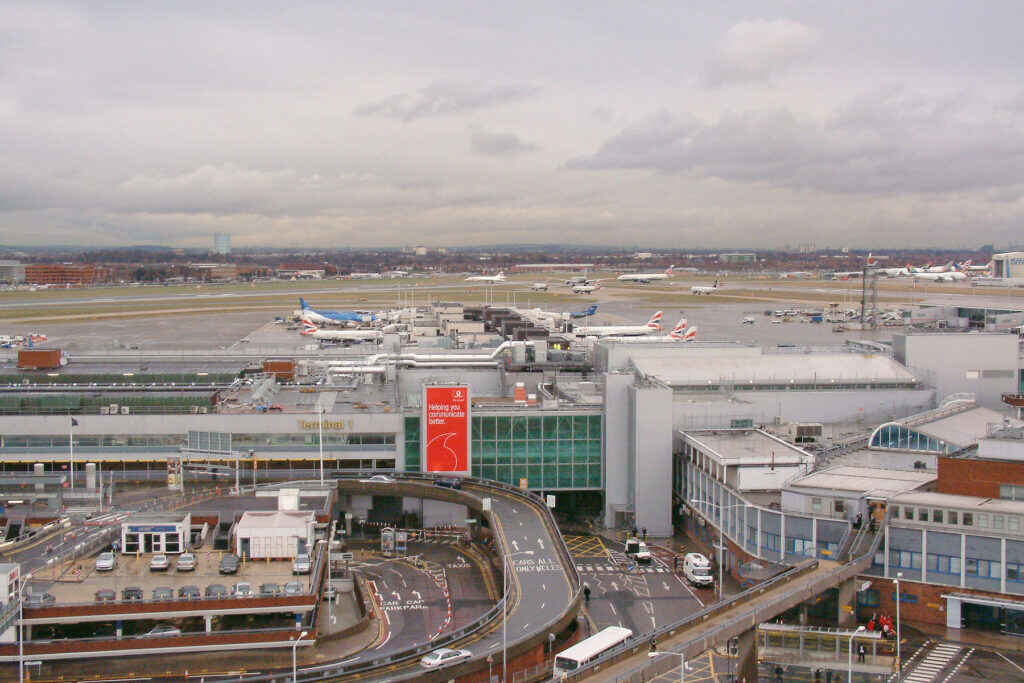
At ports of entry and airports, CBP and TSA officers remain on duty as “essential” personnel, but a large share of that workforce is working without pay. Officials and stakeholders have raised concerns that prolonged uncertainty could contribute to staffing shortages and longer wait times, even if the core screening mission continues.
The disruption has left international students, work visa holders and travelers watching for friction points rather than a single systemwide shutdown. Slower port-of-entry processing can appear when administrative support tightens and secondary inspection workloads rise, and universities can feel knock-on effects if disaster-related coordination or funding streams slow alongside FEMA’s travel constraints.
For travelers, near-term operations have continued, with flights operating normally and border security remaining active, while DHS agencies navigate the limits of the funding lapse. Visa interviews and consular operations overseas were described as unaffected in the information provided, though DHS does not run consular visa posts.
The broader political dispute driving the shutdown centers on immigration enforcement reforms and oversight conditions that Democrats have pushed as part of DHS funding talks. Republicans have argued the proposed measures could weaken enforcement operations, making immigration policy a central fault line in the DHS funding fight.
The policy backdrop comes as the Trump administration presses an enforcement posture during President Donald Trump’s second administration that includes expanded enforcement operations and deportation initiatives, reduced refugee admissions caps, and “suspensions or reassessments of immigrant visa processing affecting multiple countries.”
The administration has also launched a DHS initiative dubbed “Operation PARRIS,” under which ICE has been authorized to “re-vet” and potentially detain legal refugees who have been in the U.S. for over a year but have not yet applied for green cards. The information provided did not specify how many refugees could be affected or how the initiative would operate day to day.
Oversight demands intensified after the deaths of two U.S. citizens, Alex Pretti and Renee Good, during a federal immigration enforcement operation in Minneapolis in January 2026. Lawmakers and advocates have referenced the incident in arguments for tighter controls on enforcement conduct, while the funding talks have folded those issues into the appropriations fight.
One set of disputed provisions would require ICE to obtain a judge’s approval before entering private property, introducing a judicial warrant requirement that would change how agents approach certain enforcement actions. Another cluster of measures would mandate body cameras, require agents to display identification, and ban face masks during enforcement actions.
Negotiators have also debated prohibitions on enforcement near “sensitive locations” such as schools, churches and hospitals, restrictions that would affect enforcement planning and where agents could carry out certain operations. The combined package has become a focal point of the DHS funding dispute, with each side treating the conditions as central to its broader enforcement and accountability goals.
The shutdown’s operational effects have extended beyond immigration processing into disaster staffing and travel, where FEMA managers now face a sharper line between “active disasters” and activities deemed non-essential. In practice, the travel halt and stand-downs can limit the ability to reposition staff rapidly, slowing surge capacity even when existing teams remain in place.
For immigrant communities and legal residents, the concerns are less about whether agencies are open than about where delays might build quietly. Back-office support limitations can slow document checks, secondary inspection throughput, and inter-agency coordination that feeds into status verification and compliance decisions.
For international students and employers, uncertainty over enforcement-linked negotiations can also affect planning around travel and status maintenance. Schools and businesses often time arrivals, onboarding and travel around predictable processing, and a prolonged DHS funding fight can complicate those timelines even when the fee-funded core of USCIS continues operating.
DHS agencies have tried to balance continuity messaging with the reality that a lapse in appropriations affects how they authorize spending, movement and staffing. FEMA’s statements underscored that active disaster support continues, while acknowledging that some activities would pause or scale back.
The current standoff has also placed additional attention on DHS funding as a policy lever, with immigration oversight proposals serving as a condition of appropriations rather than a standalone bill. That dynamic has created uncertainty for travelers and visa holders who may not typically track appropriations debates but can feel operational knock-on effects.
If the shutdown extends, essential personnel rules suggest that border screening and aviation security functions will keep operating, but the risk of longer lines and slower administrative processing could rise as the unpaid work period drags on. DHS could also face compounding problems filling gaps in disaster response roles if travel limits remain and rotations become harder to manage.
Policy announcements can become entangled with funding negotiations, adding uncertainty for travelers and immigrants who watch for changes that affect compliance and processing. The information provided described negotiations as ongoing, with no clear timeline for restoring full DHS funding.
For now, USCIS adjudications are expected to continue largely as normal because of fee funding, while DHS-wide constraints create pressure points in support functions and travel-dependent operations. The longer the uncertainty lasts, the more likely agencies are to prioritize frontline continuity while limiting administrative flexibility, a tradeoff that can shape the day-to-day experience of travelers, disaster survivors and people waiting on immigration decisions.