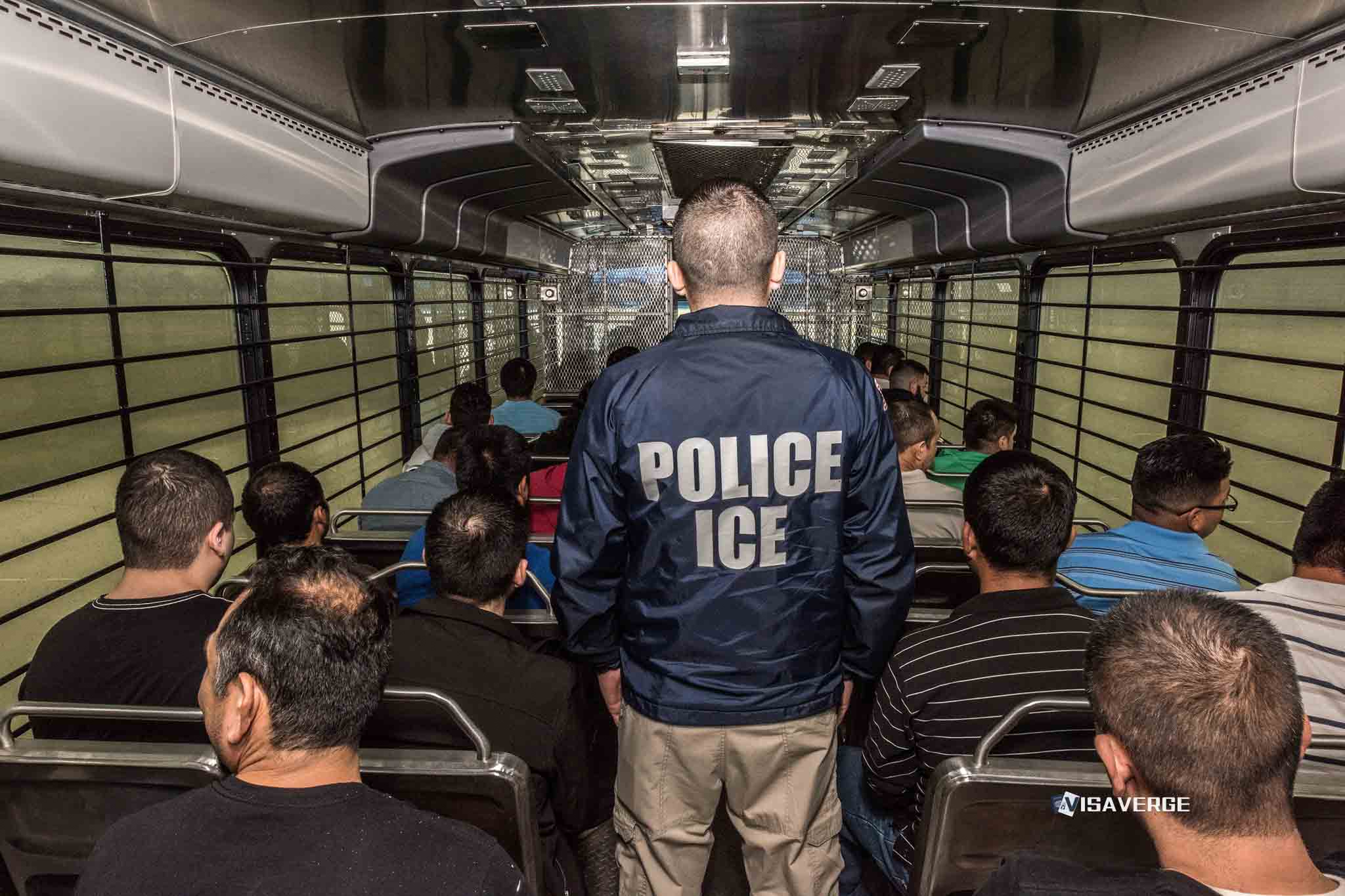
(MINNEAPOLIS, MINNESOTA) City leaders in Minneapolis said Wednesday that federal immigration agents wrongly arrested a 20-year-old U.S. citizen during Operation Metro Surge, a Department of Homeland Security crackdown that has left Minnesota officials and residents guessing how many people Immigration and Customs Enforcement has taken into custody.
The man, identified as Mubashir, was stopped on the street, placed in a headlock, and held for hours before he could prove his citizenship with a passport, according to city accounts. ICE has not released arrest totals or even confirmed the scope of the operation that began last week in the Twin Cities.
Incident and local reaction
Minneapolis Police Chief Brian O’Hara called the episode “embarrassing” at a press conference, saying officers were trying to learn who had been detained and where he had been taken.
Mayor Jacob Frey described the detention as a “clear violation of law and the Constitution,” noting that Mubashir’s release was a basic test of rights that should not depend on how someone looks or how fast they can produce documents. After agents released him at a federal building, Mubashir reportedly had to walk back through snow in freezing weather without a ride or apology from the agents involved.
“The forcefulness, lack of communication, and unlawful practices displayed by your agents will not be tolerated in Minnesota,” Gov. Tim Walz wrote in a letter to Homeland Security Secretary Kristi Noem, demanding a review of the operation after reports of U.S. citizens being detained in the sweep.
Walz’s office said the governor wants DHS to:
– Explain its rules for stops and identity checks.
– Tell local leaders how to report problems when federal agents arrest someone at home or during routine travel.
DHS did not comment Wednesday on the issue.
Lack of communication and community impact
City officials say ICE agents did not share a plan with local leaders and that details were learned only after residents reported stops and detentions. That lack of communication has increased fear in affected communities.
- Officials and community groups have been piecing together accounts from families, lawyers, and jail rosters.
- ICE has not posted Minnesota-specific daily tallies that sometimes accompany enforcement pushes in other states.
- That silence has prompted residents to avoid errands, skip work, and delay medical visits while waiting for clear answers.
Minneapolis officials stressed that city police did not assist in Mubashir’s arrest and had no role in the federal decision to hold him. Still, city leaders are receiving calls from residents asking whether routine activities — walking to school, shopping, or going to court — could lead to detention.
City officials said agents appeared to assume Mubashir was Somali based on his appearance and did not ask for identification before restraining him. He was taken to a federal building, kept for hours, and released only after producing his passport — a document many U.S. citizens do not carry on daily errands.
Broader context and political remarks
The operation comes amid political rhetoric and policy moves affecting Somali Minnesotans:
– President Trump has publicly used inflammatory language about Somali Minnesotans, calling them “garbage” in remarks and seeking a reexamination of green card holders from Somalia and more than a dozen other countries.
– Trump recently ordered an end to temporary protected status for Somalis in Minnesota, according to local leaders.
Mayor Frey said he is coordinating legal strategy with other mayors and governors nationwide as complaints spread about aggressive tactics during similar sweeps. Chief O’Hara said the city wants answers about who gave street-level orders and what training agents had on that day.
National arrest data (2025) — scale and limitations
Available national data from 2025 shows the scale of ICE activity elsewhere, but it does not break out Minnesota figures. Key national figures include:
| Metric | Figure |
|---|---|
| Average federal arrests per day (national) | Over 1,000 |
| Arrests from local jails and lock-ups (share) | 48% |
| Peak daily jail referrals (August) | Over 500 |
| Community arrests average (September) | Over 600 per day |
The data also reflects directives to increase enforcement:
– After pressure from White House deputy chief of staff Stephen Miller on May 20, efforts were reportedly tripled to 3,000 arrests per day in some pushes.
Because the national records do not separate out Minnesota, verifying local reports remains difficult.
Why local patterns matter
Analysts say patterns in Minnesota may differ from other states:
– In states that cooperate with ICE, many arrests come from county jails where transfers are routine.
– In states or counties that limit cooperation, more arrests happen in the community, which are harder to count and carry a higher risk of mistaken identity.
That difference increases the challenge for local officials and residents trying to determine who was detained and where detainees are being held.
How residents and officials are responding
Minneapolis officials said they are:
– Collecting complaints.
– Urging anyone with documentation to share it promptly.
– Coordinating with leaders in other cities and states for a joint response if federal agents continue detaining citizens or lawful residents without clear cause.
Governor Walz said Minnesota will push for accountability from DHS and from Noem’s office until questions are answered.
Formal information route
For residents seeking official records, one formal route is a Freedom of Information Act request. ICE accepts FOIA requests through its portal:
– https://www.ice.gov/foia
Records released via FOIA can show policies and communications, but they rarely arrive fast enough to calm a neighborhood in the middle of an operation. According to analysis by VisaVerge.com, the absence of timely, local arrest reporting often leaves city halls relying on scattered tips rather than official counts, which can fuel rumors and panic.
Current status (as of Dec 12, 2025)
As of Dec 12, 2025, local leaders said they still could not state:
– How many people ICE has arrested in the Twin Cities.
– Where those detainees are being held, beyond cases brought to their attention.
This information gap matters for families who do not know whether a relative was picked up at home or while commuting. Mayor Frey has been in touch with colleagues across jurisdictions and seeks a coordinated response if such detentions continue without clear cause or explanation. Governor Walz continues to demand a review and explanations from DHS.
During Operation Metro Surge, federal agents in Minneapolis wrongly detained 20-year-old U.S. citizen Mubashir for hours before he produced a passport. City and state leaders condemned the incident, demanded DHS explain stop-and-identify practices, and sought a review. ICE has not provided Minnesota-specific arrest totals, creating fear and disrupting daily life. Officials are collecting complaints, coordinating legal responses, and urging transparency while residents await clearer information about detainees and locations.