- Tim Cook will step down as Apple CEO on September 1, 2026, transitioning to executive chairman.
- Hardware veteran John Ternus has been named as the successor to lead the $4 trillion company.
- The transition includes Johny Srouji’s promotion to Chief Hardware Officer to ensure product execution continuity.
(CUPERTINO, CALIFORNIA) – Apple announced on April 20, 2026, that Chief Executive Officer Tim Cook will step down from the CEO role on September 1, 2026, and the company named John Ternus as his successor starting the same day. Cook will become executive chairman of Apple’s board, while Ternus, now senior vice president of Hardware Engineering, will become Apple’s next CEO.
The company said its board unanimously approved the transition after a long-term succession planning process. Cook will remain chief executive through the summer, with his final day in the role set for August 31, 2026.
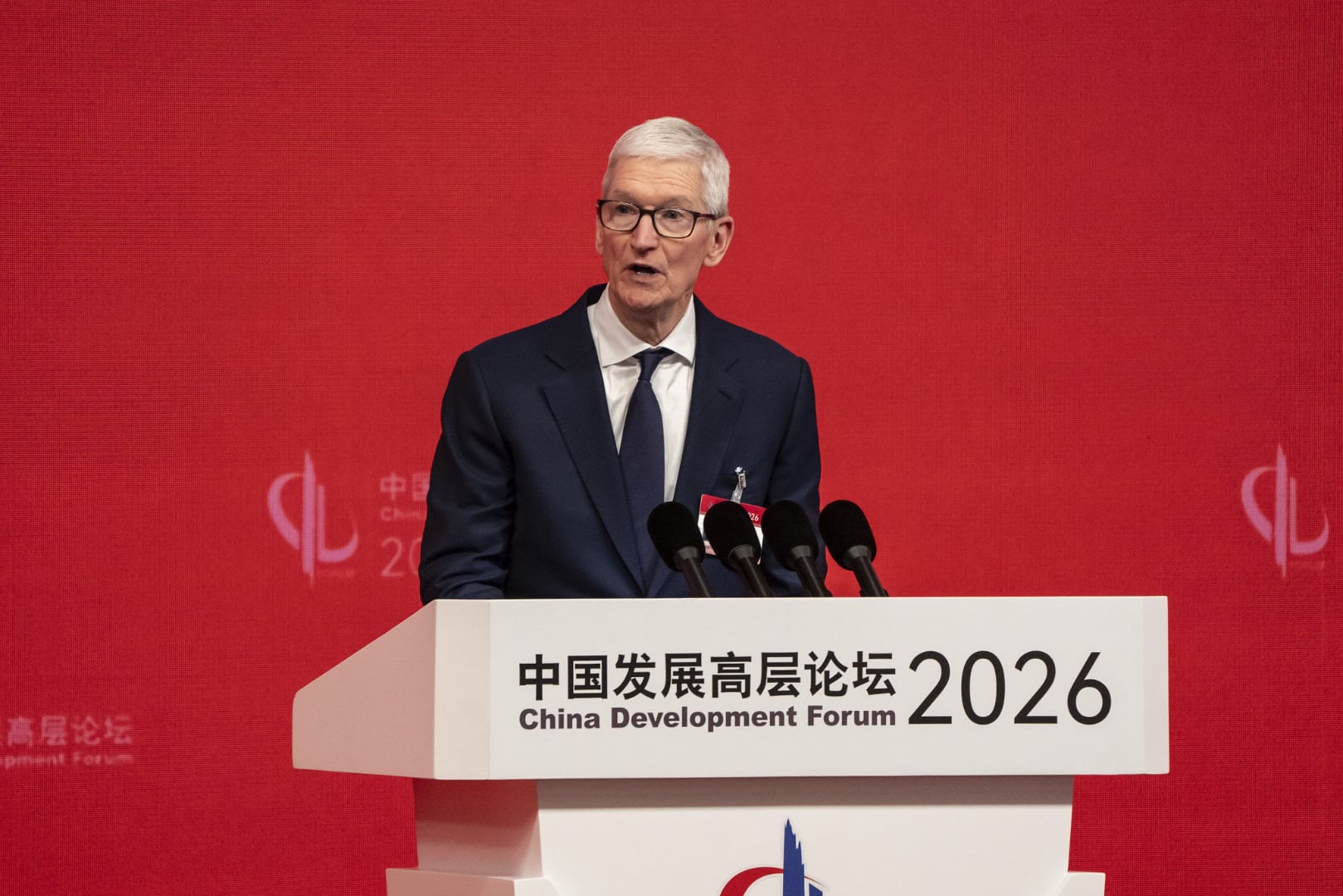
Apple paired the move with another senior change. Johny Srouji, previously senior vice president of Hardware Technologies, became chief hardware officer effective April 20, 2026, taking expanded responsibility over the hardware organization that Ternus had been leading, and Tom Marieb took on additional responsibilities.
The announcement followed a board meeting on April 17, 2026. Apple cast the handoff as orderly and planned, not abrupt, with Cook staying on as executive chairman rather than leaving the company.
Cook has led Apple since 2011, when he succeeded Steve Jobs. During that run, Apple grew into a company valued at more than $4 trillion, extending its reach far beyond the iPhone through wearables, services and a tightly integrated hardware and software business.
In a community letter, Cook called Ternus “the perfect person” for the top job. Apple also said Cook would continue to assist with company matters in his new post, including engagement with global policymakers.
Arthur Levinson, Apple’s non-executive chairman for 15 years, will become lead independent director effective September 1. The change preserves Cook’s presence at board level while adjusting the formal leadership structure around him.
Ternus brings a product background to the CEO role rather than a finance or operations profile. Apple said he has led Hardware Engineering since 2021 and has helped oversee development across the iPhone, iPad, Mac, Apple Watch and AirPods lines.
He joined Apple in 2001 and is 50. By the time he takes over, he will have spent 25 years at the company, much of it in hardware development during the period when Apple’s devices became central to its business model and brand identity.
Srouji’s promotion keeps another longtime executive in charge of the hardware organization. Apple’s move suggests it wants continuity in product execution even as it shifts the top job from Cook to Ternus, with Marieb absorbing a broader brief inside the same structure.
The change arrives as Apple faces heavier pressure over artificial intelligence and the pace of new products. Rivals including Google, Microsoft and OpenAI have pushed aggressively on AI platforms and consumer tools, while Apple has drawn criticism for moving more cautiously and relying more on ecosystem integration than on splashy model launches.
Ternus’s elevation points to the weight Apple is placing on hardware at that moment. A chief executive whose career was built around product engineering gives the company a leader closely identified with devices, design choices and the cadence of major releases.
That shift carries consequences well beyond the executive suite in Cupertino, California. Apple’s decisions shape demand across chipmakers, app developers, contract manufacturers, retail channels and labor markets tied to its supply chain, and a new CEO can redirect spending, hiring, partnerships and manufacturing geography even without dismantling the existing strategy.
Cook leaves the CEO office from a position of strength in financial terms, but in a more contested market than at most points in the past decade. Apple remains profitable and globally influential, yet investors and analysts have pressed the company to offer clearer signals about what comes after the mature smartphone era and how it intends to compete in AI.
Apple had signaled broader management changes before this week’s announcement. Jeff Williams stepped down from chief operating officer duties in July 2025, a move that added to the sense that the company was preparing a wider succession plan around its senior leadership bench.
Inside that plan, Ternus stands out as an executive tied to Apple’s core products rather than its supply chain discipline alone. Cook built much of his reputation on operational command and expansion of services and ecosystem integration; Ternus now inherits the task of shaping what Apple’s next chapter looks like in devices and in whatever new category it tries to define.
Cook’s continued role as executive chairman should steady the transition for employees, suppliers and investors accustomed to tightly managed change. Apple presented the handoff as a controlled transfer, with Cook still involved in board matters while Ternus takes formal control of the company on September 1, 2026.
Markets will now watch how quickly Ternus puts his stamp on strategy, especially around AI, hardware timing and product identity. The calendar is already fixed: Cook’s tenure as chief executive ends on August 31, 2026, and John Ternus begins the next day with Apple still carrying the scale, expectations and scrutiny that Tim Cook built over 15 years at the top.