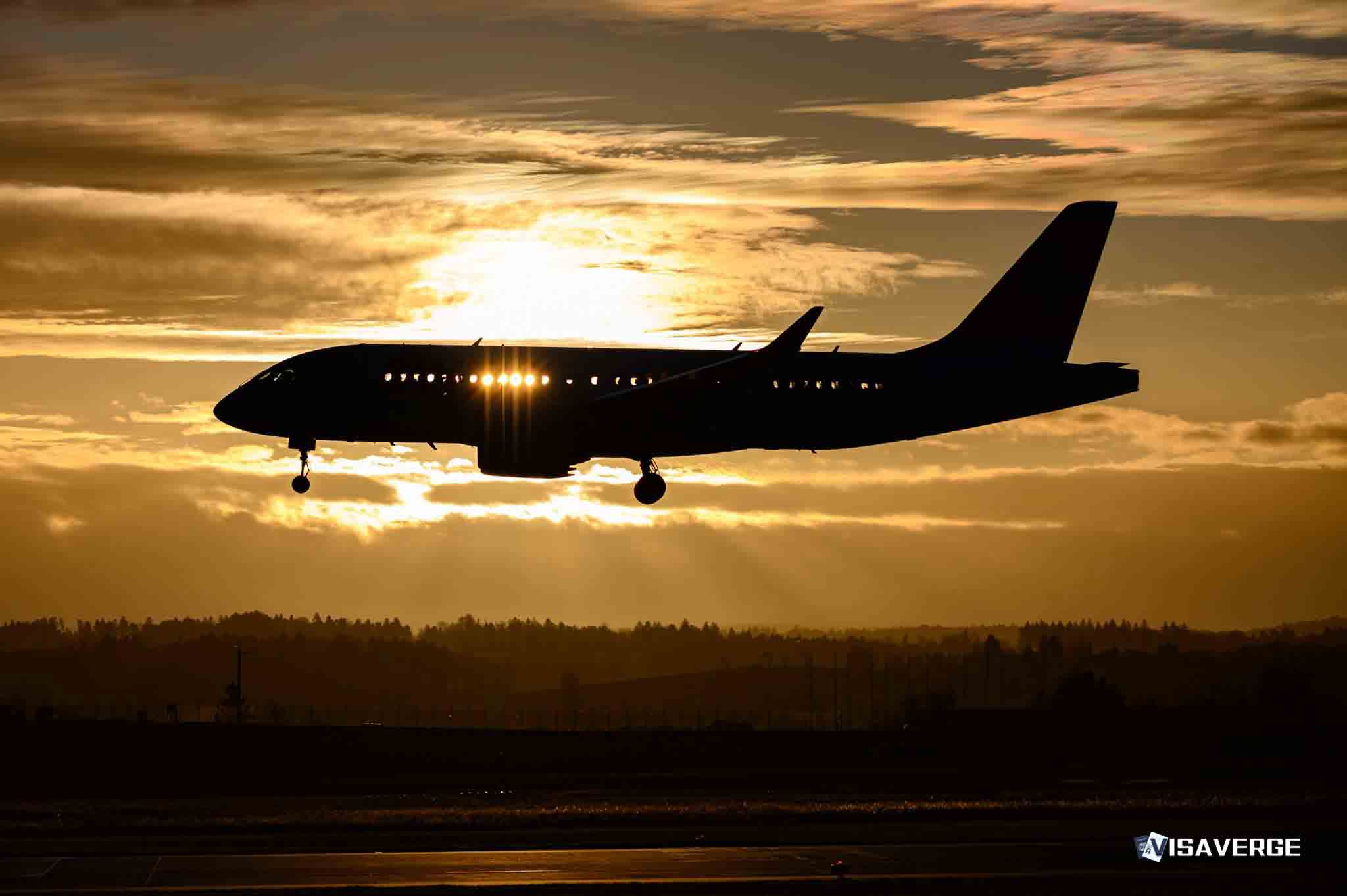
- Kittilä Airport halted operations as temperatures plunged to -39°C, stranding thousands of winter tourists in Lapland.
- Extreme arctic cold froze ground equipment and connectors, making aircraft de-icing and refueling operations impossible.
- Airlines canceled over 21 flights, disrupting travel networks across Europe including major hubs like London and Paris.
(KITTILÄ) — finavia halted operations at Kittilä Airport over the weekend after Arctic cold plunged to -37°C to -39°C, stranding thousands of winter tourists in Finnish Lapland and forcing airlines to cancel all flights.
Temperatures sank to -37°C on Sunday morning, January 11, 2026, after several days of severe weather, and forecasts pointed to nearly -40°C on Monday, January 12. With ground handling crippled, passengers faced long waits for rebooking, accommodation and onward travel.

Airport operations halted
Finavia, which operates the airport, said moisture in the extreme cold produced slippery frost that froze equipment connectors and vehicle hatches. That, it said, halted de-icing and refueling, though airlines make the final decisions on cancellations.
Kittilä Airport is a gateway for peak winter tourism in Lapland, serving ski resorts and Santa-themed attractions that draw visitors from across Europe, including large numbers from Britain. Finavia described the disruption as an operational pause rather than a total shutdown of the region, but the airport was entering a third day of empty runways.
Why extreme cold halts aviation
arctic cold can halt aviation even when runways are clear, because flights depend on a chain of tasks performed outdoors and on systems that must work reliably at low temperatures. De-icing can become difficult when frost and moisture build up on surfaces and equipment, while refueling can be constrained if connectors and hoses freeze.
Airlines and handling agents also have to work within safety limits for staff exposure to the cold, slowing turnarounds and reducing the number of aircraft that can be prepared for departure. In practical terms, fewer aircraft can be serviced, and queues form quickly.
De-icing is often the limiting factor in deep cold because throughput depends on equipment, fluid handling and the time required per aircraft. When de-icing cannot be performed or cannot be sustained safely, departures halt regardless of how many planes are ready to board.
Refueling constraints add another choke point, because an aircraft that cannot be refueled on schedule cannot legally or safely depart. Frozen connectors and hatches can turn routine work into a stop-start process, slowing every movement on the apron.
Crew scheduling can also become a hidden constraint for stranded travelers. If flight crews time out or are displaced by cancellations, airlines may have an aircraft available but no legal crew to operate it, delaying recovery even after temperatures begin to rise.
Passenger impact and rebooking
The airport’s problems quickly became passenger problems, as cancellations rippled through itineraries built around fixed hotel check-in times, ski lessons and pre-booked transfers. Many travelers in Lapland also rely on tight connections for return journeys via Helsinki and other hubs, making missed flights hard to replace during busy winter schedules.
Finavia apologized to passengers and pointed to slightly milder forecasts ahead, saying it was coordinating closely with airlines. The operator urged tourists to contact their airlines for rebooking, accommodation or alternatives such as buses.
for stranded passengers, the first practical step is usually to work through the airline that issued the ticket, because it controls rebooking and can see space on its own services. Travelers on itineraries involving more than one flight may need to focus on restoring the entire journey, not just the next leg.
- Moving to the next available departure on the same route
- Rerouting via different airports
- Shifting the travel date to a time when operations stabilize
Rebooking options often disappear quickly when demand surges, so passengers may need to accept later flights to secure a confirmed seat. Travelers weighing standby or waitlist options must also factor in the risk of repeated delays during recovery.
Accommodation during weather-related disruptions varies by airline and route, and passengers may find that formal compensation is limited when weather is the cause. Even so, documenting costs such as lodging, meals and transport can matter for later claims through airlines or insurance.
Receipts and clear records can be particularly important when disruptions force changes such as additional nights in Lapland, missed prepaid transfers or new ground transport. Passengers should also keep copies of updated itineraries and cancellation notices, which can be required when filing claims.
Operational signals and weather information
For travelers trying to judge whether flights will resume, a key point is that operational decisions depend on observed conditions as well as forecasts. Airlines watch temperature, frost and the ability of ground systems to function, while also assessing whether they can safely staff and sustain repeated turnarounds.
Passengers can also see signs of recovery in the sequence of airline messages, as carriers first extend cancellations, then begin offering rebookings, and finally publish fresh departure times. Airport advisories and airline alerts can move faster than general travel news.
Aviation weather information can look technical, but it can help travelers understand why decisions change during the day. METARs describe observed conditions at an airport, while TAFs give short-term forecasts that airlines and dispatchers use for planning.
Flights, cancellations and network effects
Flights affected by the Kittilä disruption included routes to Manchester, London, Bristol, Paris and Amsterdam, along with a Helsinki–Rovaniemi route. Those links matter not only for direct travelers but for airline networks, where a single cancellation can strand crews and aircraft far from where they are needed next.
Finnair canceled 21 flights and delayed 119 between January 10-11 across Kittilä, Rovaniemi, Helsinki‑Vantaa, Dusseldorf and Hamburg. The figures captured how a bottleneck in Lapland can cascade to major airports, especially when aircraft rotations and crew schedules are tightly timed.
Once cancellations spread, airlines often shift to recovery mode, trying to protect their main hubs and the largest groups of connecting passengers. That can mean consolidating flights, using larger aircraft where possible, and prioritizing routes that restore network balance.
When multiple regions experience severe winter weather at the same time, airlines have fewer spare aircraft and seats to reposition, and crews can be left out of place across several countries. That can make it harder for carriers to add extra flights or accommodate large groups of rebooked travelers.
Ground alternatives and road conditions
With flights paused, some tourists looked to buses and other ground transfers, but conditions on the roads added another layer of risk. Finavia warned that 93% of Finnish roads faced difficult conditions from snow and ice, complicating long-distance travel in Arctic cold.
Those road conditions can stretch transfer times and reduce reliability, particularly for travelers trying to reach other airports or major rail nodes. Slower speeds, accident risks and potential closures can turn a planned backup route into an uncertain trip.
Rental cars can appear tempting in a stranded-airport situation, but driving in Lapland during severe winter weather requires experience and careful planning. Travelers considering a long drive should check official road advisories, review the route for services and stops, and assess whether the journey is necessary or can wait for flights to resume.
Bus services and shared transfers may provide an alternative, but capacity can fill quickly when many people shift at once. Travelers also need to consider baggage, child travel needs, and whether changing airports will actually improve the odds of getting home if the wider region is also affected.
Insurance and documentation
Travel insurance can become a key backstop during multi-day disruptions, particularly when the cost drivers are accommodation and replacement transport rather than ticket price alone. Insurers typically require proof of disruption and itemized receipts, so travelers benefit from organizing documents while waiting, not after returning home.
Passengers should keep receipts for lodging, meals and transport, and save copies of updated itineraries and cancellation notices. Clear records can improve the chances of reimbursement when filing claims with airlines or insurers.
Wider context and final notes
The Lapland disruption came as unusually severe cold affected wider parts of Europe, reducing the options for rerouting and stretching airline recovery capacity. Finland’s snap was unusually severe, and the same weather pattern brought blizzards and travel alerts elsewhere.
Germany’s North Rhine‑Westphalia saw school closures, while Deutsche Bahn shut down services. Travel alerts were also issued in Estonia, Lithuania and Latvia, adding pressure to rail and road alternatives that some airline passengers might otherwise use.
For passengers affected by Kittilä Airport disruptions, recovery depends not only on temperatures in Lapland but on the availability of aircraft, crews and open capacity across the broader European network. Even when a specific airport begins operating again, the backlog of passengers can take days to unwind.
Monitoring official updates remains essential as conditions evolve. Airline apps and alerts can show real-time changes to individual bookings, while airport advisories can provide operational status that explains why departures are still limited in Arctic cold.
For travelers in Lapland watching the thermometer, the immediate numbers were stark: -37°C on Sunday morning, January 11, 2026, forecasts of nearly -40°C on Monday, January 12, and the possibility of improvement toward around -28°C tied to hopes of Monday afternoon departures. Whether that window proves workable will depend on how quickly Kittilä Airport’s ground systems and staffing can safely restart after days of frozen standstill.
Extreme arctic temperatures between -37°C and -39°C forced a shutdown of operations at Kittilä Airport, stranding thousands in Lapland. The cold caused mechanical failures in ground equipment, preventing de-icing and refueling. While airlines make the final call on cancellations, the frozen infrastructure led to a three-day standstill. Travelers face significant rebooking challenges as road conditions also remain dangerous across most of Finland.