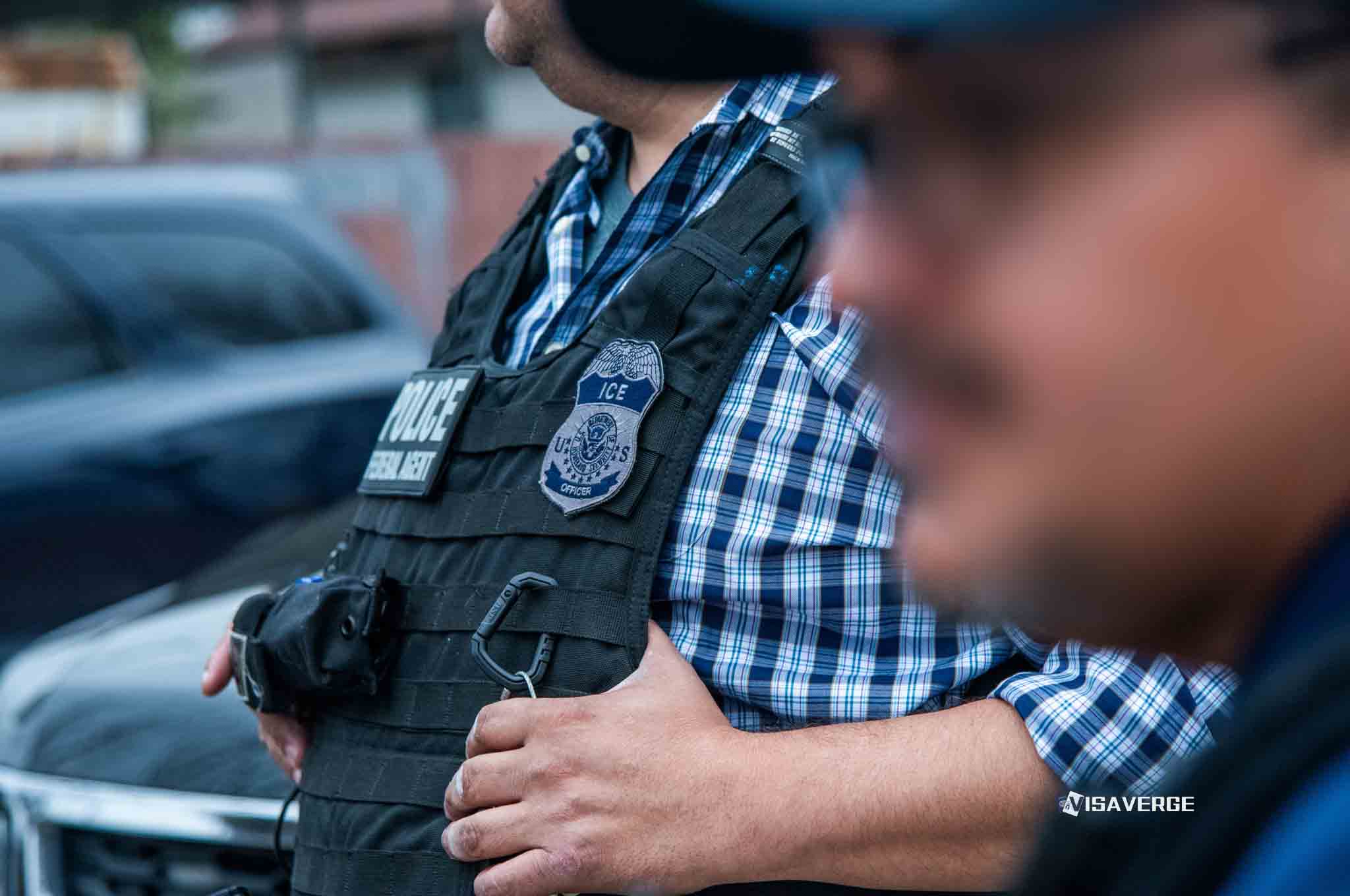
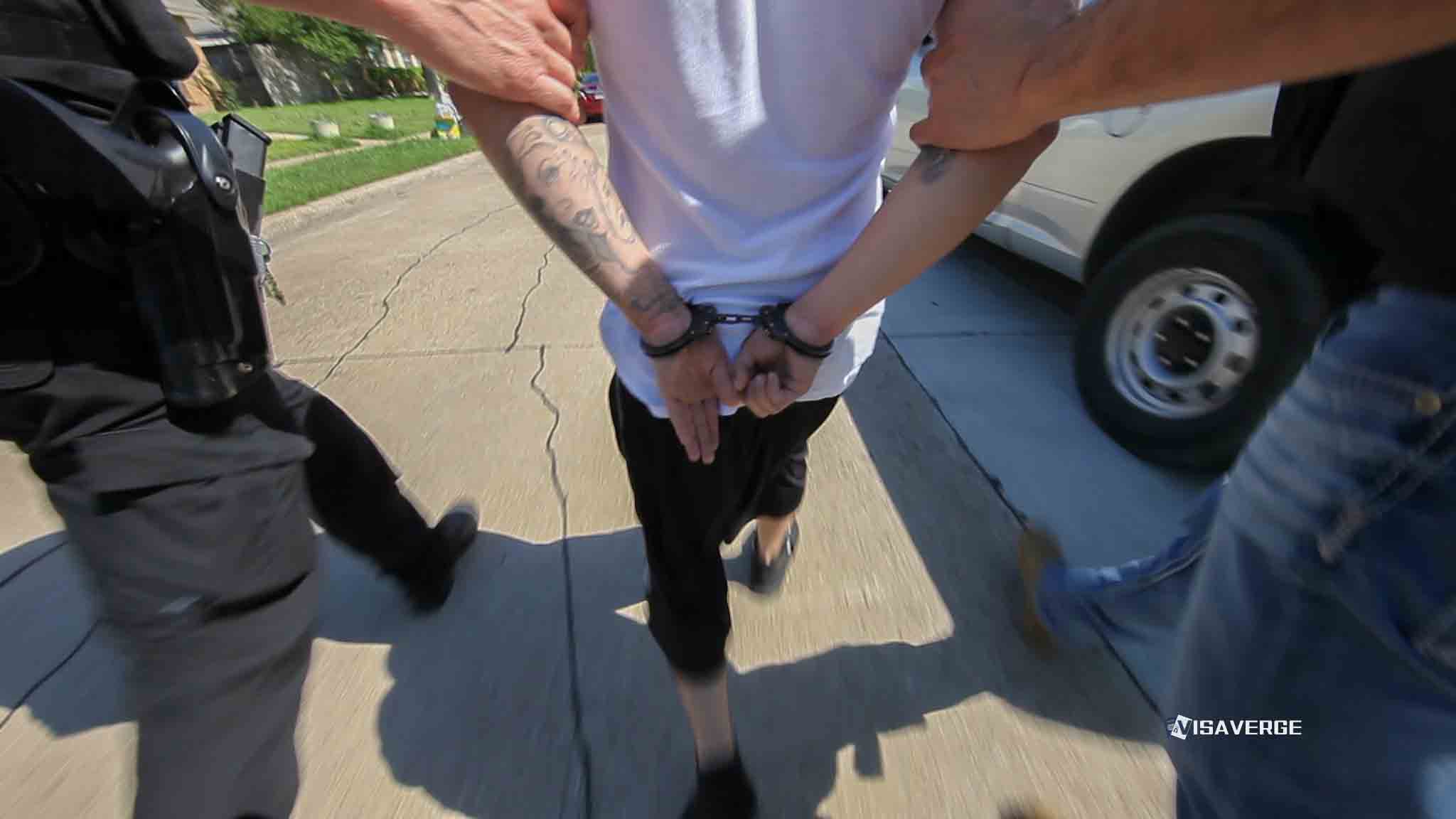
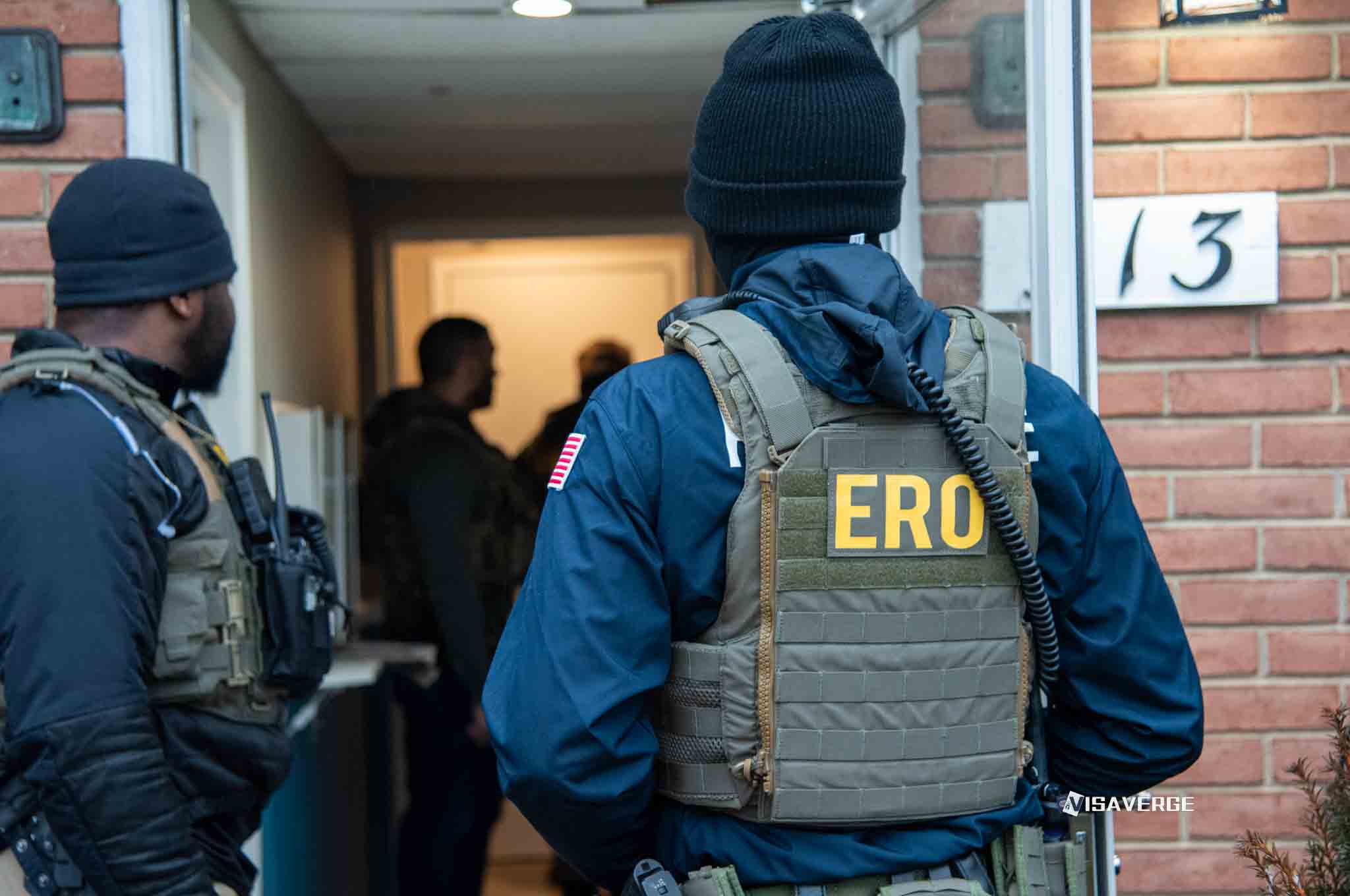
(TEXAS) — Texas prosecutors said intensified deportations by Immigration and Customs Enforcement are costing them key victims and witnesses and weakening criminal cases, including murders and sexual assaults.
“It makes it harder for me to convict dangerous felons when … witnesses are getting deported, victims are getting deported, and the defendant or the perpetrator themselves are getting deported,” said Sarah Stogner, who also covers Loving and Reeves counties.
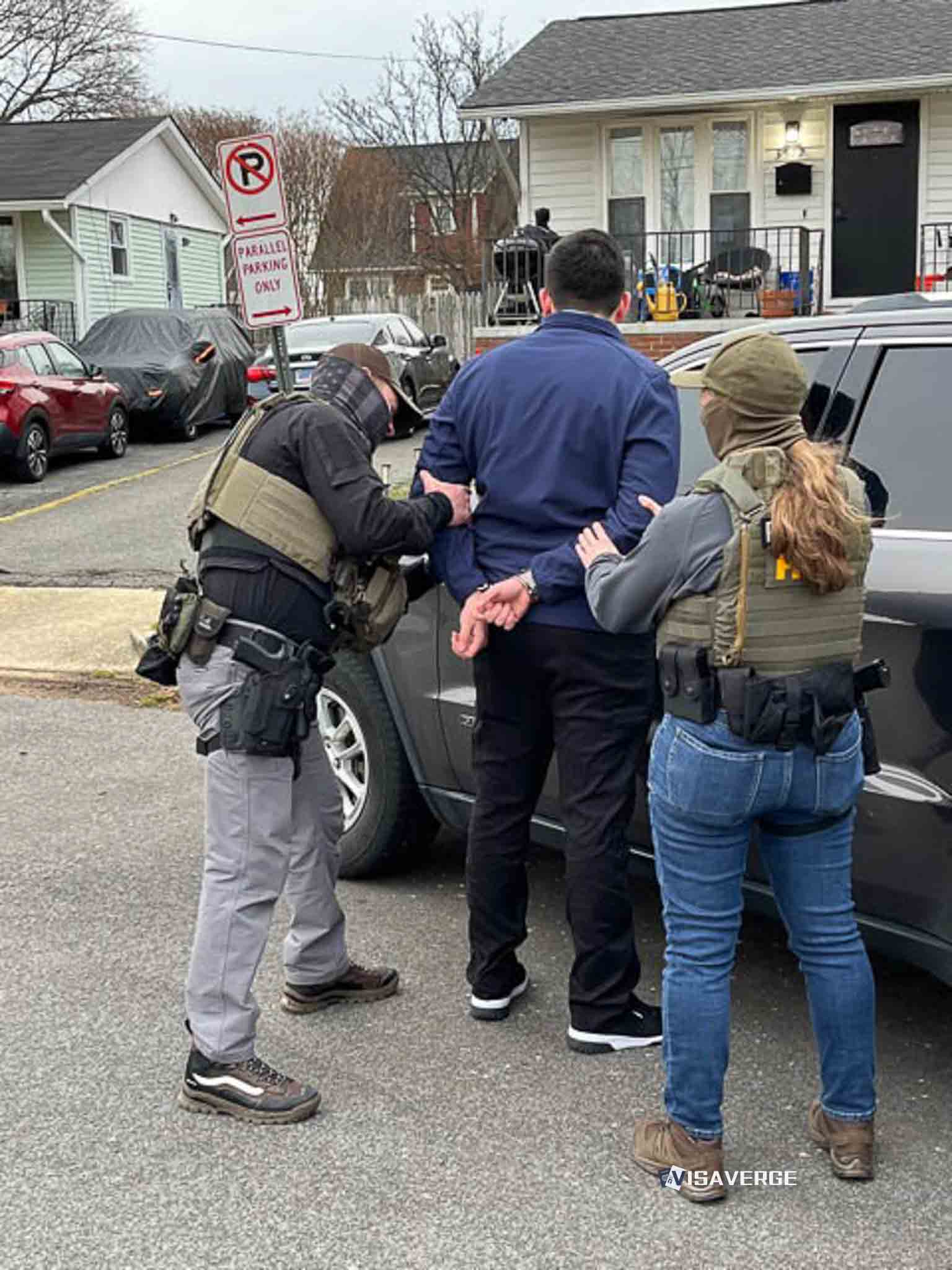
Prosecutors across the state said the climate of fear around ICE ramps up deportations is deterring people from appearing in court, responding to subpoenas or reporting crimes, leaving judges and juries without testimony that can be central to convictions.
In Ward County, Stogner pointed to an aggravated assault case involving Adan Yanez Porras, who has been charged with a second-degree felony.
Stogner said the victim is applying for a U-Visa but cannot testify because of fears of deportation, leaving Yanez Porras out on bond.
In El Paso, District Attorney James Montoya described the fallout in a 2023 murder case that went to trial in 2025, when a key witness declined to return for a March trial because he feared he could be detained by ICE.
Montoya described that witness as the “father figure” of the victim, who had moved to Ohio, and said the defendant was found not guilty.
ICE raids have created broad fear, Montoya said, including over arrests at federal buildings in El Paso, immigration courts in San Antonio and probation offices in Dallas.
He said prosecutors are also facing “no-shows” at hearings and that in many instances the reason is unclear, including whether a missing witness or victim has been deported.
In Harris County, District Attorney Sean Teare said nearly a dozen cases have been affected, including child sexual assaults, because victims or witnesses were deported or refused to participate.
“What these raids have done, what the fear around them have done, has made it more difficult for me to prosecute violent offenders,” Teare said at The Texas Tribune Festival in November.
Teare’s office has begun issuing “witness/survivor identification cards” for undocumented victims and witnesses to show ICE and law enforcement, prosecutors said.
One Harris County case highlighted by prosecutors involves Carmelo Gonzalez, described as an undocumented Guatemalan who discovered his 11-year-old daughter, Maria Gonzalez, had been sexually assaulted and strangled by a neighbor.
The neighbor, Juan Carlos Garcia-Rodriguez, has been charged with capital murder, and prosecutors are seeking the death penalty.
Gonzalez was nearly deported to El Salvador in January after a DWI arrest but was released after Teare intervened, prosecutors said.
Teare said Gonzalez is the sole witness who can describe the victim to a jury.
Beyond the courtroom, prosecutors and advocates said the same fear that keeps witnesses away can keep victims from seeking help at all, changing how communities interact with police and the legal system.
The Houston Chronicle has reported that undocumented immigrants have been avoiding public spaces, church and reporting crime to police.
“It gives criminals impunity to do whatever they want to the immigrant community because they know immigrants may not go and file a complaint,” said Ali Zakaria, an immigration lawyer in Houston.
Prosecutors said they cannot guarantee that subpoenas or cooperation with law enforcement will shield someone from immigration enforcement, and that uncertainty can ripple through cases in ways that are difficult to predict.
Montoya said the fear extends to routine points of contact where people might show up to comply with legal obligations, from federal buildings to immigration courts to probation offices.
In some instances, prosecutors said, the disruption is not only that a witness refuses to appear, but that victims or witnesses vanish from the process entirely, leaving attorneys unable to locate them and courts unable to hear from them.
The squeeze on testimony can be most acute when the missing person is central to proving a crime, prosecutors said, because other evidence may not fully replace a victim’s account or a witness’s identification.
Stogner’s Ward County case has also brought attention to the U-Visa process, which can offer a pathway for certain victims who help law enforcement, but which does not eliminate immediate fears of detention or deportation when a person must appear in court.
In that aggravated assault case, Stogner said the victim is applying for a U-Visa, yet still cannot testify because of deportation fears.
The effects are being felt alongside a broader escalation in immigration enforcement in the state, with ICE arrests in Texas rising sharply over the past year.
ICE arrests in Texas surged 134% from Feb–July 2024 (11,503) to Feb–July 2025 (26,865), peaking in June amid the administration’s one million annual deportation goal.
Texas also had 140 active local agreements with ICE, enabled by state laws including Senate Bill 8 (2025), which mandates sheriff collaboration in large counties.
Harris County saw daily ICE arrests rise ~30 percentage points from late Biden to early Trump terms, prosecutors said.
The knock-on effects have surfaced in incidents far from courthouses, including during routine police encounters, prosecutors and advocates said.
In Lubbock, an undocumented Central American man identified as Jose Alvaro was detained by ICE after a police stop involving his wife and 4-year-old son over a license plate issue.
For prosecutors, the overlap between local law enforcement activity and federal immigration enforcement can shape whether victims and witnesses see the justice system as a place to seek protection or a place to avoid, they said.
Teare said his office’s identification cards are meant to give undocumented victims and witnesses something tangible to present during interactions with ICE or other agencies, even as prosecutors acknowledge they cannot control federal enforcement decisions.
Montoya said fear generated by raids and arrests in places tied to the justice system has made it harder to persuade people to show up, even when their testimony could decide a verdict.
Stogner said the result can be defendants remaining free while cases stall or weaken, even when prosecutors view them as dangerous.
“It makes it harder for me to convict dangerous felons when … witnesses are getting deported, victims are getting deported, and the defendant or the perpetrator themselves are getting deported,” Stogner said.
Texas prosecutors are reporting a crisis in the justice system as intensified ICE operations lead to the deportation of vital witnesses and victims. This climate of fear has resulted in failed murder trials and the release of dangerous felons. Despite local efforts to provide identification cards and legal support, the 134% increase in arrests continues to deter immigrant communities from reporting crimes or testifying in court.