(EL PASO, TEXAS) Human rights groups are accusing officers at a Texas immigration detention center on the Fort Bliss military base of brutal beatings, sexual abuse and pressured deportations, in what advocates say is one of the most serious recent abuse scandals in the federal detention system.
The allegations focus on Camp East Montana, a vast tent facility at Fort Bliss in El Paso that the Trump administration opened in August 2025 and that now holds more than 2,700 people, making it the largest immigration detention center in the country.
Summary of allegations and scope
Advocates, based on months of interviews and court filings, say officers at Fort Bliss have carried out a pattern of excessive force and abusive sexual contact against detained immigrants.
- Human rights groups report they interviewed more than 45 people held at the base and collected 16 sworn declarations describing what they call systemic mistreatment inside Camp East Montana.
- The reported abuses include:
- Physical violence and painful restraints
- Abusive sexual contact
- Forced transfers to the Mexican border
- Threats intended to coerce people into accepting deportation to countries they fear
Detailed account (Isaac)
The most detailed claims come from a Cuban immigrant identified in court documents only as Isaac.
- In a sworn declaration, Isaac says guards hit him in the head and slammed him against a wall about ten times inside the Fort Bliss facility.
- He further alleges that officers grabbed and crushed his testicles between their fingers during the same encounter.
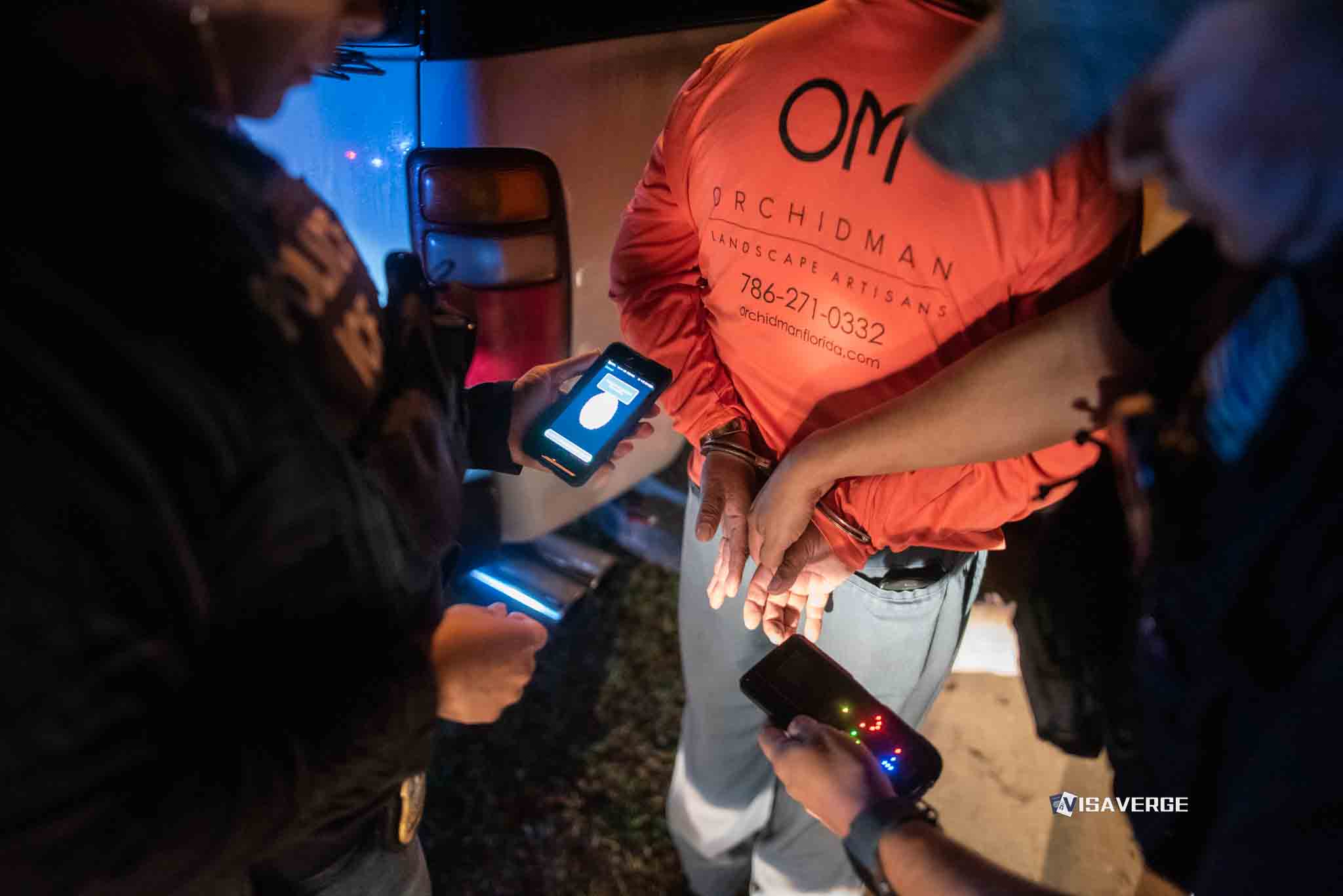
- After the alleged assault, Isaac states that officers handcuffed him and about 20 other people, put them on a bus, and drove them to the Mexican border.
- At the border, they were told to cross into Mexico despite not being Mexican citizens.
Pattern of coercion and “third-country” deportations
Advocates say Isaac’s account fits a broader pattern they have documented at Fort Bliss.
- Multiple detainees reported that officers used beatings and threats of further violence to coerce them into so‑called “third‑country” deportations.
- Non‑Mexican immigrants reported being warned that refusal to go to Mexico could result in being sent to jail cells in El Salvador or unspecified countries in Africa.
- These warnings, according to advocates, left people feeling that any choice would lead to danger while refusing guards’ instructions could bring immediate physical harm.
Conditions beyond physical abuse
Concerns at Fort Bliss extend past physical and sexual abuse to include medical neglect, insufficient food, and denied access to legal counsel.
- Detainees reported:
- Delays or denial of medical treatment
- Constant hunger and insufficient food
- Drinking water with a foul taste and sometimes rotten food
- Being blocked from meaningful access to lawyers — trouble meeting with counsel and difficulty communicating about their cases
Advocates emphasize that problems with access to counsel can directly affect whether someone is deported or allowed to remain in the United States 🇺🇸.
ICE’s own detention standards (published on the agency’s website at ICE’s own detention standards) set requirements for safety, medical care, food and access to lawyers. Advocates say conditions at Fort Bliss contradict those federal rules.
Inspection findings and timeline
- In September 2025, public concern grew after The Washington Post reported on a leaked internal ICE inspection of Fort Bliss.
- That report said the inspection found the facility violated more than 60 federal detention standards in its first 50 days of operation.
- The internal findings, made public just weeks after the camp opened, suggested serious problems began almost immediately at Camp East Montana.
- For immigrant advocates, the inspection results corroborated detainees’ accounts of unsafe conditions, poor food, and lack of basic protections.
Related allegations in Texas detention facilities
The Fort Bliss allegations are not isolated. Other ICE facilities in Texas face similar claims.
- At the South Texas Family Residential Center in Dilley, court documents describe:
- Families denied critical medical care
- Food infested with worms and mold
- Threats of family separation
- As of November 2025, about 160 families were held at Dilley, a primary site where the government detains parents with children.
- Advocates argue these claims show a wider pattern across Texas detention facilities, affecting both single adults and families seeking protection at the border.
Advocacy and official response
A broad coalition of civil and human rights groups formally urged the federal government to shut down immigration detention at Fort Bliss and to stop what they call abusive third‑country deportations.
- The letter to Immigration and Customs Enforcement (ICE) was signed by:
- American Civil Liberties Union
- ACLU of New Mexico
- ACLU of Texas
- Estrella del Paso
- Human Rights Watch
- Las Americas Immigrant Advocacy Center
- New Mexico Immigrant Law Center
- Texas Civil Rights Project
- Their requests included:
- Ending detention operations at the base
- Overhauling how transfers and removals of non‑Mexican migrants are handled
The letter argues that continuing to operate Camp East Montana under current conditions exposes people to ongoing harm and places the government in violation of its own standards.
The Department of Homeland Security (which oversees ICE) has said in recent court filings that it is addressing some of the issues raised by detainees. However:
- Officials have not publicly detailed which problems they believe have been fixed or how conditions have changed for the more than 2,700 people at Fort Bliss.
- Analysis by VisaVerge.com notes that the department’s limited public response leaves key questions unanswered:
- Accountability for officers accused of beatings and sexual abuse
- Whether detainees who suffered harm will receive any form of redress
Key takeaways
Advocates say immigrants held at Fort Bliss and at the South Texas Family Residential Center remain in facilities that have failed basic tests of safety and human dignity. The government’s public responses so far leave uncertain whether accountability and meaningful remedies will follow.
Facility snapshot (clear reference)
| Facility | Opened | Population (approx.) | Key complaints |
|---|---|---|---|
| Camp East Montana (Fort Bliss) | August 2025 | More than 2,700 | Beatings, sexual abuse, forced transfers, medical neglect, insufficient food, limited legal access |
| South Texas Family Residential Center (Dilley) | — | About 160 families (Nov 2025) | Denied critical medical care, food with worms/mold, threats of family separation |
Warnings and next steps
- The allegations include criminal-level misconduct (beatings, sexual abuse) and systemic failures (medical neglect, poor sanitation, restricted legal access).
- Advocates call for immediate closure of Camp East Montana and an overhaul of transfer/removal procedures for non‑Mexican migrants.
- Observers say the public and legal scrutiny will likely continue as civil and human rights groups push for transparency, accountability, and redress.
If you want, I can:
1. Extract direct quotes and format them for use in legal or advocacy materials.
2. Produce a one-page brief summarizing the evidence and requests from advocacy groups.
3. Compile a timeline of reported incidents and official responses through November 2025.
Human rights groups allege systemic abuse at Camp East Montana, Fort Bliss’s tent detention site opened August 2025 and housing over 2,700 people. Based on interviews and 16 sworn declarations, detainees report beatings, sexual abuse, forced transfers to Mexico, medical neglect, poor food and limited legal access. A leaked ICE inspection reportedly found violations of more than 60 federal standards within 50 days. Advocates call for the camp’s closure and independent oversight; DHS says it is addressing issues but provides few public details.