(UNITED STATES) Immigrant students in public high schools are facing rising bullying, skipped classes, and family breakups as stepped-up ICE raids and harsh political talk create what principals describe as a “culture of fear” on campus, according to a new national survey released in 2025 by researchers at UCLA and UC Riverside.
Bullying, taunts, and the language of enforcement
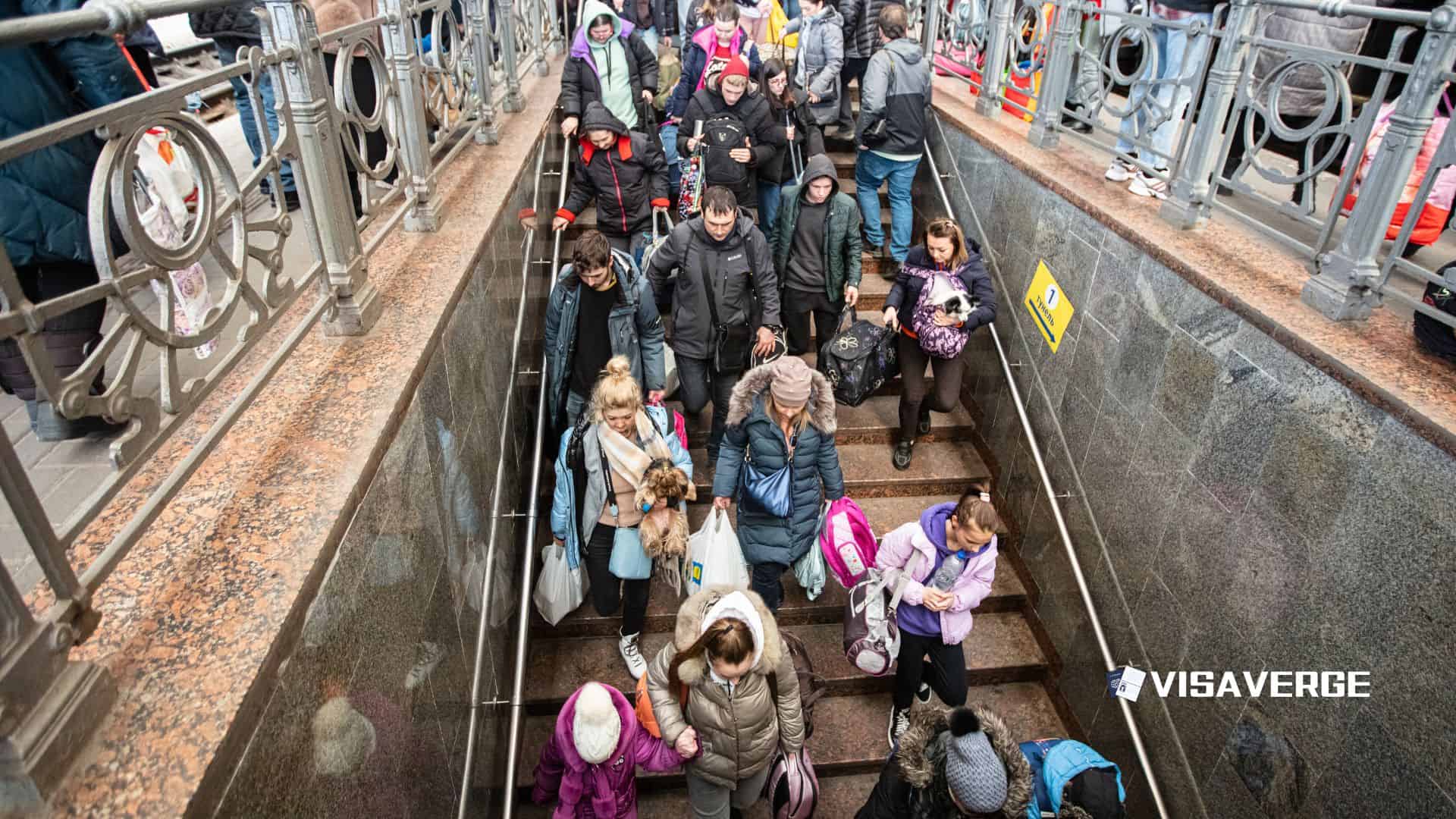
The study, which surveyed 606 U.S. public high school principals, found that more than 35% of schools saw bullying aimed at immigrant students.
This bullying often took the form of taunts about deportation and legal status, with students hearing comments like “Can I see your papers?” and “Go back home.”
Principals said these remarks were not isolated jokes but part of a growing pattern that made many immigrant teenagers feel unsafe at school. The language of immigration enforcement and heated political debate has seeped into everyday interactions among students.
Widespread fear and its ripple effects
- 70% of principals reported that students from immigrant families expressed fear for themselves or relatives because of immigration enforcement and public talk about migration.
- Students frequently asked whether their parents would still be home after school or whether a rumored raid nearby meant their family might be next.
According to analysis by VisaVerge.com, these findings illustrate how national enforcement decisions now reach deep into classrooms—even when raids occur miles from school grounds.
Attendance, academic disruption, and transfers
The consequences for education were immediate and sharp:
- 64% of principals reported drops in attendance among immigrant students linked to ICE raids and deportation fears.
- In some districts, raids were followed by a 22% increase in absences as students stayed home for days at a time.
- Some students missed weeks of class; others transferred quietly to other districts, hoping to disappear from view.
School leaders said teachers struggled to keep students on track academically when children vanished for long stretches and then returned withdrawn, exhausted, and anxious.
Family disruption and children left behind
The study found serious effects on family stability:
- 58% of principals said immigrant parents left their communities during the school year, sometimes leaving children behind with relatives or friends.
- In many cases, parents left overnight after hearing of a nearby raid, feeling they had no choice but to relocate to another state or go underground.
Principals reported students arriving at school the next day in tears, explaining that one or both parents were suddenly gone or that the family was leaving town and the student did not know where they were going.
Emotional and behavioral impacts
Educators across states including California, Michigan, Minnesota, Nebraska, and Pennsylvania reported long-term trauma, chronic stress, and emotional withdrawal among immigrant students.
Counselors described children who:
- Refused to participate in class
- Flinched at loud hallway noises
- Spent periods checking phones for family messages
- Refused to walk alone in corridors, fearing any adult in uniform might be linked to immigration authorities
These behaviors reflect sustained anxiety that impairs learning and social engagement.
Policy context: sensitive locations and perceived safety
Researchers and school leaders linked the growing culture of fear to changes in federal enforcement rules. For years, a “sensitive locations” policy discouraged immigration officers from acting in or near schools, churches, and hospitals. Although never codified into law, the policy had given many families a degree of confidence when sending children to class.
The survey notes that the rescinding of the “sensitive locations” memo, along with a broader move toward tougher interior enforcement, undermined that fragile trust. Families no longer felt confident that schools would be off-limits.
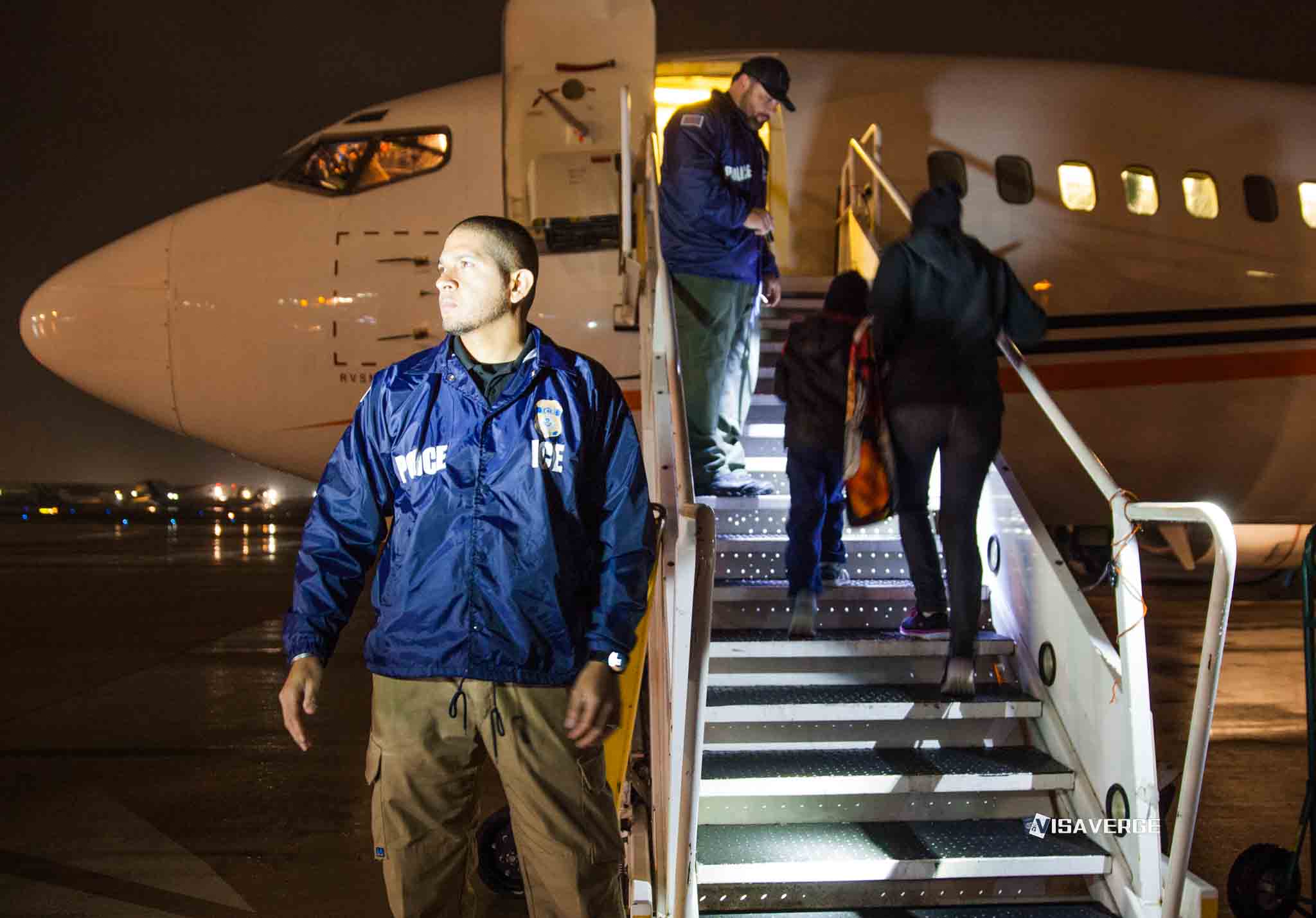
Officials with U.S. Immigration and Customs Enforcement say they focus on people who pose threats to public safety, and the agency’s current guidelines on enforcement in or near protected areas remain posted on the U.S. Immigration and Customs Enforcement website.
But principals told researchers that even if agents rarely enter schools, the fear of ICE raids in surrounding neighborhoods spills directly into classrooms. Rumors—about checkpoints, unmarked vehicles, or arrests at apartment complexes—were sometimes enough to empty entire rows of desks the next day.
School planning and emergency responses
To cope with disruption, many schools have begun planning for deportation scenarios much like they would for natural disasters or lockdowns. The survey describes principals drafting step-by-step plans addressing:
- Who calls the student into the office
- How staff break the news to the child
- Which adults the child may be released to
- Which local groups can provide legal and emergency support
Some districts created emergency contact lists that extend beyond traditional forms, asking families to name backup caregivers in case parents are taken by immigration officers without warning.
Supports inside schools
Districts are also taking steps to soften daily impacts for students still attending school but living in dread:
- Expanded counseling services
- Increased home-to-school transportation for families too scared to drive past police or sheriff vehicles
- Teacher training on how to respond when bullying about immigration status surfaces
In schools where students repeatedly heard classmates say “Go back home” or “I’m going to call ICE on you,” teachers were urged to step in quickly, treat the remarks as harassment, and explain school policies that protect all students, regardless of immigration status.
Role of local officials and advocacy
Some principals told researchers that public statements from local leaders made a measurable difference. When mayors or school boards issued letters promising that district staff would not assist with civil immigration enforcement, attendance sometimes stabilized.
However, in places with mixed messages from police and city officials, tensions remained high. Advocacy groups working with schools said that without firm local backing, efforts inside classrooms to stop bullying and reduce fear have limited impact.
Nationwide pattern and long-term risks
Researchers at UCLA and UC Riverside emphasized that the pattern was not limited to any one region or type of community. Both urban and rural districts reported spikes in harassment, absenteeism, and community anxiety after ICE raids or high-profile national enforcement actions.
The authors warned that continued bullying and the broader stress of possible deportation could cause entire cohorts of young people to lose years of education and carry trauma into adulthood.
“Schools are becoming ‘the last calm place’ in communities shaken by raids,” one principal said in the report. But the culture of fear that begins with immigration enforcement keeps slipping through the school doors.
Principals’ balancing act
For now, principals say they are working to hold together both learning and trust. Many described walking a careful line: reassuring families that school is a safe place while quietly preparing for the day a child might arrive to find a parent missing.
Key actions school leaders are taking:
- Preparing deportation-response plans and emergency caregiver lists
- Expanding counseling and social supports
- Training staff to address harassment and explain protective school policies
- Coordinating with local leaders and advocacy groups for stronger community assurances
These steps can mitigate some harms, but school leaders and researchers warn that broader policy and community responses are needed to address the root causes of the culture of fear affecting immigrant students.
A 2025 national survey of 606 public high school principals by UCLA and UC Riverside documents a growing “culture of fear” as ICE raids and political rhetoric drive bullying, absenteeism, and family disruption. Over 35% of schools reported harassment aimed at immigrant students; 70% of principals noted fear among students, and 64% saw attendance declines. Schools are adopting emergency plans, expanding counseling, and coordinating with officials, but researchers warn long-term educational and emotional harm without broader policy action.