(UNITED STATES) The Supreme Court is again at the center of a fierce national fight over birthright citizenship, meeting repeatedly in recent months to weigh whether President Donald Trump’s 2025 Executive Order targeting the long‑standing rule can ever take effect, even as every lower court to touch the policy has stopped it. For now, the basic rule that anyone born on U.S. soil is a U.S. citizen still stands, but the Court’s limited steps so far have created both fresh legal questions and deep personal worry for families across the country.
The Executive Order and the Fourteenth Amendment
Trump signed the Executive Order on January 20, 2025, just hours after taking the oath of office. The order tries to deny birthright citizenship to children born in the United States to parents who are not U.S. citizens or lawful permanent residents.
That move strikes at more than a century of legal practice built on the Fourteenth Amendment’s Citizenship Clause, which states: “All persons born or naturalized in the United States, and subject to the jurisdiction thereof, are citizens of the United States.” The plain wording of that sentence sits at the heart of every lawsuit now stacked up in federal courts.
Immediate legal challenges
The legal response was almost instant. Within hours of the order being signed, states, civil rights groups, and immigrant‑rights advocates filed coordinated challenges.
By January 21, 2025, at least 22 states and several national organizations, including the ACLU, had filed five lawsuits in different federal courts, arguing that the president cannot rewrite the Constitution through an Executive Order. Judges in Washington, New Hampshire, and other states quickly issued temporary restraining orders and later broader injunctions, stopping the government from enforcing the new policy while the cases move forward.
“Accepting the government’s position could ‘unsettle the citizenship status of millions’ and create ‘two classes of children born in the same hospital on the same day,’” one judge warned in a written order.
Lower court rulings so far
Those early rulings all pointed in the same direction: every federal district court to review the Executive Order has found that it likely violates the Citizenship Clause.
Key points from district and appeals courts:
- Judges emphasized the plain text of the Fourteenth Amendment and more than a century of practice treating most U.S.‑born children as citizens.
- Courts warned of the practical and human consequences of accepting the administration’s narrow reading.
- One consistent finding: the Executive Order is likely unconstitutional.
In July 2025, appellate courts reinforced those views:
- The Ninth Circuit Court of Appeals upheld a lower court’s injunction, finding challengers had a strong chance of winning at final judgment.
- The First Circuit similarly rejected the administration’s arguments and stressed the danger of breaking with long tradition.
Together, these decisions kept the order on hold nationwide and increased pressure on the Supreme Court to act.
Supreme Court action: nationwide injunctions, not the Constitution
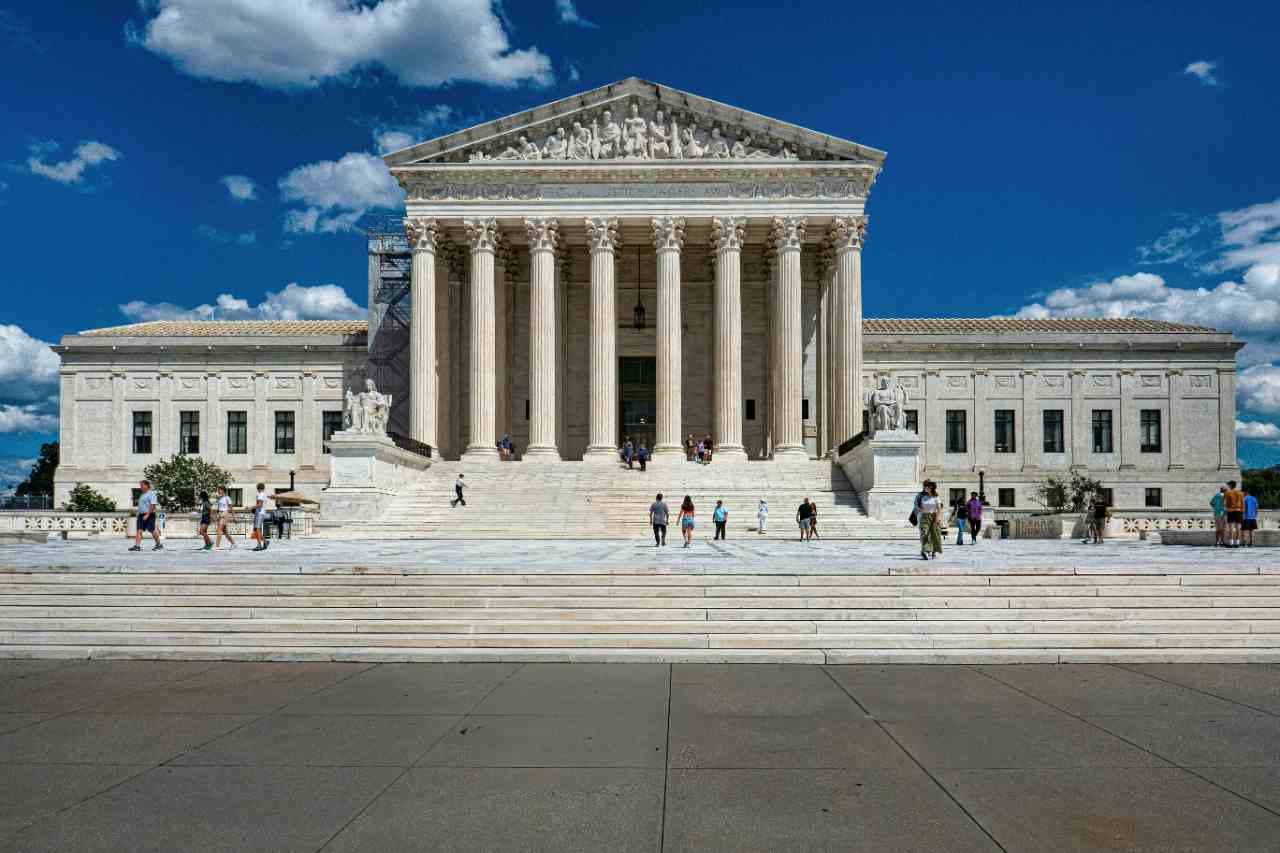
The Supreme Court moved in late June 2025, but not by resolving the constitutional question. In a 6–3 decision, the justices did not rule on whether the Executive Order is constitutional.
Instead, the Court addressed the use of nationwide injunctions—the practice by which lower courts stop a federal policy from taking effect across the whole country. The Court held that such broad orders should be rare and that relief should often be limited to the states or parties that actually filed a lawsuit.
Practical consequences of the Court’s decision
- The ruling opened a narrow opportunity for enforcement in states that did not sue.
- The justices left lower courts to decide whether tailored, state‑specific injunctions are sufficient to protect plaintiffs’ rights.
- Analysis by VisaVerge.com warns this could create a patchwork outcome: a child’s citizenship status might depend on both where they are born and whether their state was part of the initial lawsuits.
Current status (as of July 1, 2025)
Despite the Supreme Court’s ruling on nationwide injunctions, the Executive Order has not taken effect anywhere.
- As of July 1, 2025, birthright citizenship remains in force nationwide.
- Hospitals, states, and federal agencies continue to treat U.S.‑born children as citizens.
- Ongoing injunctions and uncertainty from the Supreme Court’s ruling have prevented partial enforcement.
For families with mixed immigration status, this delay is a relief — but many worry about the consequences if the Supreme Court agrees to decide the constitutional question.
What’s next: the administration’s petition
The administration has formally asked the Supreme Court to decide the core question: whether the Executive Order violates the Fourteenth Amendment.
- The Court is expected to announce in the coming months whether it will accept the case.
- If the Court takes the case, the outcome would shape the meaning of the Citizenship Clause for future generations and affect the children directly targeted by the 2025 order.
Arguments from both sides
Civil rights lawyers and constitutional scholars argue the answer should be clear:
- They point to more than a century of practice and prior Supreme Court opinions reading the Citizenship Clause broadly.
- Advocacy groups warn a ruling upholding the Executive Order could:
- Create stateless children,
- Deepen fear in immigrant communities,
- Place heavy burdens on local officials to determine who qualifies for citizenship.
They stress that such a fundamental question should be resolved by Congress or a constitutional amendment, not a presidential order.
The Trump administration frames the Executive Order as tightening what it calls abuses of the citizenship rules:
- Officials argue the phrase “subject to the jurisdiction thereof” allows a narrower policy excluding children of certain non‑citizen parents.
- Lower courts have so far rejected that narrower reading.
- The administration is betting some justices on the current Court may be receptive to its arguments.
What to watch for
Families and lawyers are monitoring for signs of partial enforcement or narrowing of injunctions. Key triggers include:
- Any lower court narrowing an injunction after the Supreme Court’s June ruling.
- State officials in non‑suing states deciding whether to file new cases if enforcement is attempted there.
- A Supreme Court decision to take up the constitutional question.
For now, practical day‑to‑day processes continue:
- Birth certificates are being issued as before.
- Federal agencies treat U.S.‑born children as citizens.
Where to get reliable information
People seeking authoritative, general information on citizenship under current law can consult official resources such as U.S. Citizenship and Immigration Services, which reflects the rule that anyone born in the country, with limited exceptions, is a U.S. citizen.
This baseline remains in place unless and until the Supreme Court takes up Trump’s Executive Order and issues a direct ruling on the reach of the Fourteenth Amendment.
Stakes and closing note
As the justices consider whether to hear the case, the stakes are high. At issue is not just a single policy but the long‑held promise that birth on U.S. soil confers full membership in the nation.
The Supreme Court’s next move will decide whether that promise faces its most serious test in modern history, or whether the dispute over birthright citizenship returns to the lower courts that have so far defended it.
President Trump’s Jan. 20, 2025 Executive Order sought to deny birthright citizenship to children of noncitizen parents. Within a day, at least 22 states and civil-rights groups filed five coordinated lawsuits, and federal courts issued injunctions finding the order likely unconstitutional. In June 2025, the Supreme Court narrowed the use of nationwide injunctions in a 6–3 decision but did not rule on the Constitution. For now, birthright citizenship remains applied nationwide while the high court and lower courts consider next steps.