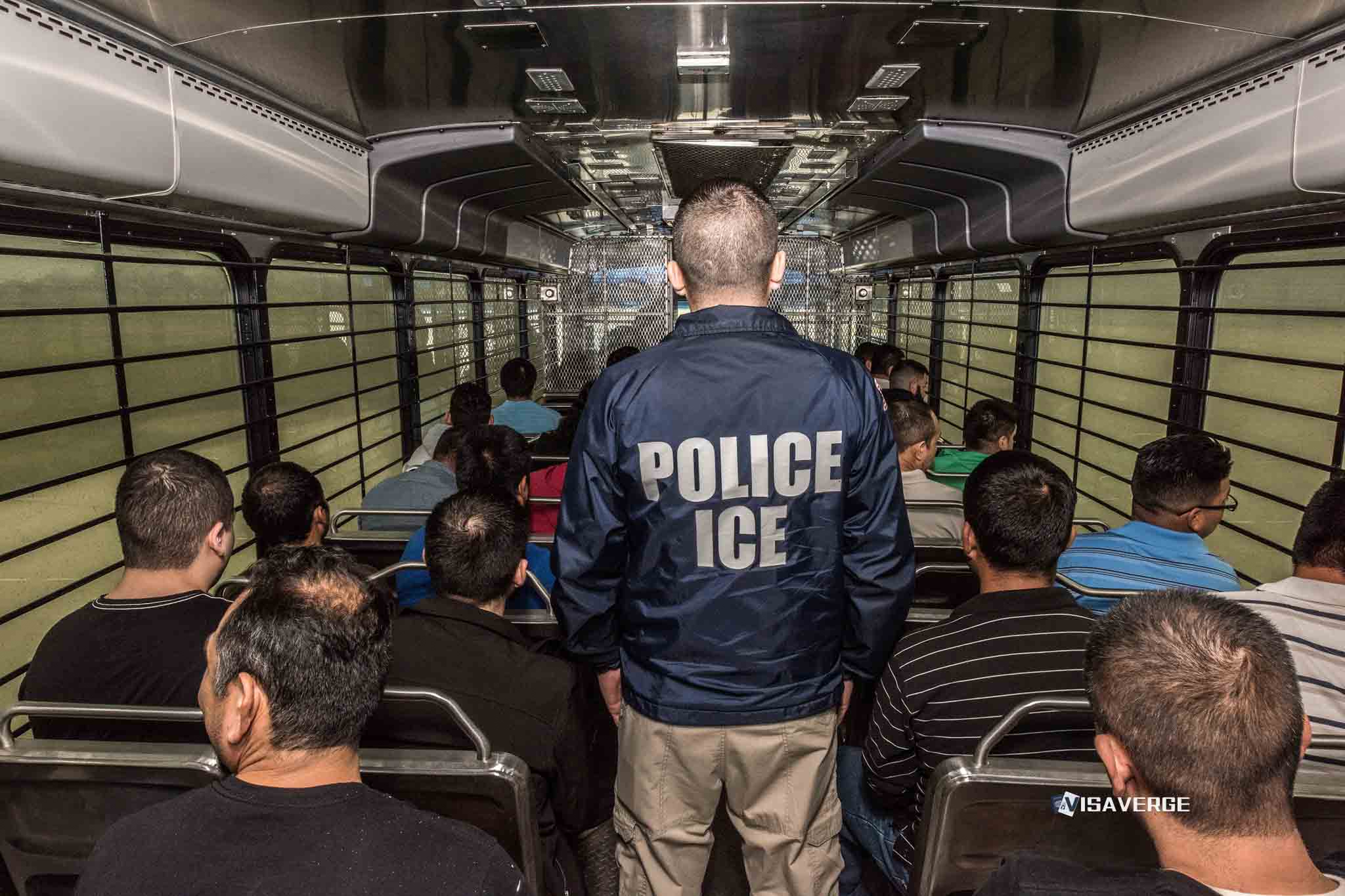
- The Trump administration asked the Supreme Court to end deportation protections for Haitians and Syrians.
- A lower court blocked the termination of Haitian TPS, citing potential racial animus in the decision.
- Solicitor General Sauer argues executive policy initiatives are being unlawfully obstructed by federal court orders.
(UNITED STATES) — The Trump administration asked the Supreme Court on March 11, 2026, to let it end Temporary Protected Status for Haitians and to clear the way to terminate separate deportation protections for Syrians, moves that could reshape how far courts can go in blocking Homeland Security decisions on immigration.
The administration wants the justices to lift a lower court order that has stopped Homeland Security Secretary Kristi Noem from terminating the Haitian TPS designation, a change the administration set to take effect on February 3, 2026.
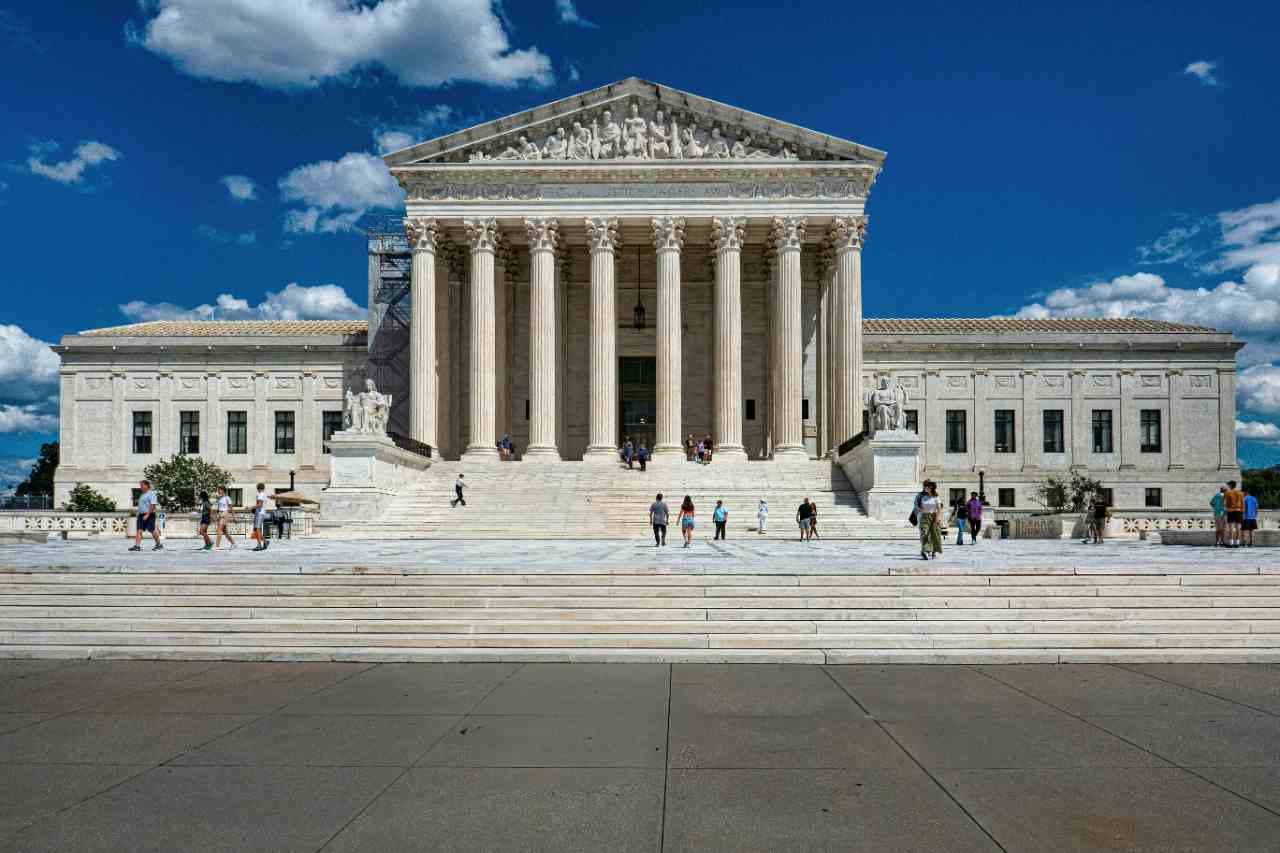
At stake are deportation protections and work authorization for people covered by TPS, a program Congress created to shield nationals of certain countries when conditions make return unsafe.
The Haitian case involves 350,000 Haitians who received TPS protections after Haiti’s 2010 earthquake, a disaster that killed over 300,000 people.
Noem justified the termination as a “necessary and strategic vote of confidence in the new chapter Haiti is turning,” and tied the decision to President Trump’s “foreign policy vision of a secure, sovereign and self-reliant Haiti.” She acknowledged some remaining “concerning” conditions.
Five Haitian nationals challenged the termination in December 2025, arguing the government acted unlawfully. U.S. District Judge Ana Reyes blocked the termination last month and wrote that Noem’s decision was “likely motivated by racial animus.”
Reyes also wrote: “Kristi Noem has a First Amendment right to call immigrants killers, leeches, entitlement junkies, and any other inapt name she wants. The record to-date shows she has yet to [apply faithfully the facts to the law].”
The Justice Department appealed to the U.S. Court of Appeals in Washington, D.C., after Reyes’ order halted the termination. A divided three-judge panel declined to freeze her order, keeping the block in place while the appeal proceeds.
Solicitor General D. John Sauer urged the Supreme Court to step in, arguing lower courts are blocking “major executive-branch policy initiatives” that harm “national interest and foreign relations.”
The emergency request tees up a direct clash over who controls the fate of Temporary Protected Status designations when a president’s administration tries to end them: the Homeland Security Department acting under executive authority, or federal courts reviewing the decision-making that led to termination.
The Haitian TPS dispute reached the Supreme Court after Noem set an end date and challengers quickly moved to stop it. Haitians who hold TPS rely on it for protection from deportation and for permission to work, benefits that become immediate focal points whenever the government seeks to terminate a designation.
The humanitarian rationale for the Haitian TPS designation traces back to the 2010 earthquake and the upheaval that followed, which the government treated as grounds to provide temporary protection from removal. Noem’s decision to terminate the designation, and the language she used to defend it, now sit at the center of the legal fight.
Reyes’ order did not end the case, but it prevented the termination from taking effect while the courts assess the challenges brought by the five Haitian nationals. Her statement that the decision was “likely motivated by racial animus” became a key flashpoint in the posture of the litigation as the administration pressed for faster relief.
The legal and political actors shaping the case span the executive branch, the Justice Department, and the federal judiciary. Noem, as homeland security secretary, made the termination decision and publicly explained it in terms that aligned with the administration’s foreign policy framing for Haiti.
Reyes, as the U.S. District Judge who blocked the termination, used language that challengers can point to as support for their argument that the government’s decision-making crossed legal lines. Her opinion explicitly addressed what she described as the record before the court at this stage.
Sauer, as the solicitor general, is the administration’s advocate before the Supreme Court and framed the request as a need to prevent lower courts from stopping “major executive-branch policy initiatives” with consequences for “national interest and foreign relations.”
The litigation now sits at multiple levels, with the Justice Department pressing its appeal in Washington, D.C., while also asking the Supreme Court to intervene on an emergency basis. The D.C. appeals panel’s refusal to freeze Reyes’ order left the administration to seek relief from the justices.
Alongside the Haitian dispute, a separate Supreme Court request to end TPS for Syrian immigrants also awaits action, placing two country designations before the justices at the same time. The administration’s Syrian request comes in a broader environment in which the court has already allowed rescission of protections for Venezuelans.
Those parallel disputes matter because they put repeated pressure on the same underlying questions: when the executive branch ends a TPS designation, how quickly can it do so while litigation continues, and what role should courts play in keeping protections in place during that review.
The Supreme Court could respond in several ways procedurally. The justices could grant emergency relief that allows the administration to proceed with termination while challenges continue, or they could deny emergency relief and leave lower-court orders intact for now. The court could also take up the case later on the merits rather than making a final call through emergency action.
An emergency decision does not necessarily resolve the broader legal questions permanently. It can instead determine whether the administration can act immediately while the courts continue to weigh the underlying claims.
The fight lands in a larger policy push by President Trump’s administration to scale back TPS across a wide range of countries. Trump targets TPS for at least 12 countries, including Afghanistan, Nicaragua, Somalia, and Yemen.
Temporary Protected Status itself is a statutory program enacted by Congress in 1990. It allows the U.S. government to shield nationals of designated countries from deportation when those countries face armed conflicts, disasters, or extraordinary conditions.
In practice, TPS provides deportation relief and work authorization for up to 18 months, and the protections can be extended. That combination of protection from removal and permission to work often shapes the daily realities for TPS holders and their families.
The administration’s efforts to terminate TPS for multiple nationalities increase the stakes of what the Supreme Court decides to do with the Haitian and Syrian requests. A ruling that permits termination to proceed while lawsuits continue could affect the balance between the Homeland Security Department’s authority and the ability of courts to pause changes during litigation.
At the same time, the lower-court block in the Haitian case reflects a willingness by at least one federal judge to scrutinize the reasoning and record behind a termination decision, including allegations about motivation and whether officials applied “the facts to the law.”
The Supreme Court’s response will come as the administration argues that court orders stopping termination interfere with executive branch policy. Sauer’s filing framed that concern in terms of “major executive-branch policy initiatives” and broader harms to “national interest and foreign relations.”
For Haitians covered by TPS, the immediate question remains whether protections stay in place while the legal fight continues. For Syrians covered by TPS, the question is similar, with the separate Supreme Court request awaiting action.
The uncertainty is heightened because the administration asked the justices to allow termination to proceed even before the underlying litigation finishes. That posture places particular weight on the emergency requests now pending at the court.
As the Supreme Court considers the requests, the Haitian case centers on Noem’s decision to terminate and Reyes’ order blocking it, including her statement that the decision was “likely motivated by racial animus.” The Syrian request and the court’s earlier move allowing rescission for Venezuelans sit in the background as further context for how the program has become a focal point of broader immigration authority disputes.
The justices have not yet indicated how quickly they will act. For now, Haitian TPS holders remain protected under the lower court order that halted the February 3, 2026 termination date, while the administration presses its argument that it should be allowed to move forward during the ongoing court fight.