(WASHINGTON) Street vendors across the United States say they are working in the shadows or staying home altogether as the Trump administration’s intensified immigration enforcement sends federal agents into neighborhoods and public markets, triggering sharp drops in customers and fresh calls for local protections.
Advocates and local officials in cities including Washington, New York and Los Angeles describe a climate where immigration arrests on sidewalks and near popular vending spots have turned normal workdays into daily risk. One vendor in Washington, who sells food from a cart, said federal patrols have emptied the streets. “Most of the vendors aren’t even vending for fear of what’s happening,” she said, adding that she has seen arrests from her regular corner in recent weeks.

Fear and who it affects
That fear cuts in two directions. On one side, many street vendors are immigrants who worry that any contact with police or inspectors could draw the attention of federal agents. On the other, their most loyal customers, often Latino families, are also staying indoors.
Vendors in several cities report that streets that once buzzed with weekend shoppers are now half-empty because people are afraid of being caught up in immigration checks far from any border. The drop in foot traffic has immediate consequences for daily earnings and local commerce.
Licensing, permits and barriers
The impact is especially harsh because a large share of vendors already operate without full permits, leaving them unsure whether stepping forward to apply for a license could expose them to immigration questions.
- In Washington, the city decriminalized street vending in 2023, moving away from criminal charges for selling without a permit.
- Officials estimate that about three-quarters of food vendors are still unlicensed, with a waiting list of more than 10,000 people trying to secure the paperwork they need.
Many vendors say the licensing process feels too hard and too expensive, especially for people working long days just to cover rent and food. Advocates argue that every extra document request, fingerprinting visit or in‑person check can feel like a possible trap in the current climate.
According to analysis by VisaVerge.com, vendor groups across the country now see licensing reform and data privacy as central to keeping people both employed and safe.
New York City: permit caps and pressure for reform
New York City shows how federal policy and local rules can combine to squeeze workers. For years, the city has enforced a tight cap of fewer than 900 general vendor permits, even as demand for low‑cost food and goods has surged.
- The cap has helped create a large underground market in rented permits.
- Thousands of workers remain selling without formal permission.
- Recent immigration arrests linked to ICE raids in busy commercial corridors have alarmed vendors and lawyers.
Advocates in New York are pushing the City Council to speed up promised reforms. In June, the council eased criminal penalties tied to vending to reduce the chance that a sidewalk citation could escalate into serious legal trouble. Lawmakers are now debating bills that would raise or remove the long‑standing permit cap, which supporters say would pull thousands into the legal economy and reduce fear of everyday contact with city inspectors.
“Street vendors are an integral part of our city’s neighbourhoods and economy,” a New York City Council press secretary said, stressing that council members want to protect vendors from direct contact with federal immigration officers.
That message reflects a broader trend in large cities: local leaders want to draw a line between basic business rules and federal enforcement operations.
California: data protection and limits on questions
On the West Coast, California lawmakers have targeted how personal data is handled.
- The state passed a data protection law for vendors that takes effect in January 2026.
- The law blocks local governments from sharing information collected during license or permit applications with federal immigration authorities.
- It also bars cities and counties from asking about immigration status as part of the vending approval process.
State Senator María Elena Durazo, who wrote the law, said it was designed to separate local economic policy from federal deportation efforts.
“Our street vendors deserve the freedom to earn a living without fear,” she said, calling the workers part of the social fabric of many neighborhoods.
By stopping local offices from passing along addresses, photos or ID numbers, backers hope vendors will feel safer applying for licenses instead of remaining off the books.
Federal enforcement and local limits
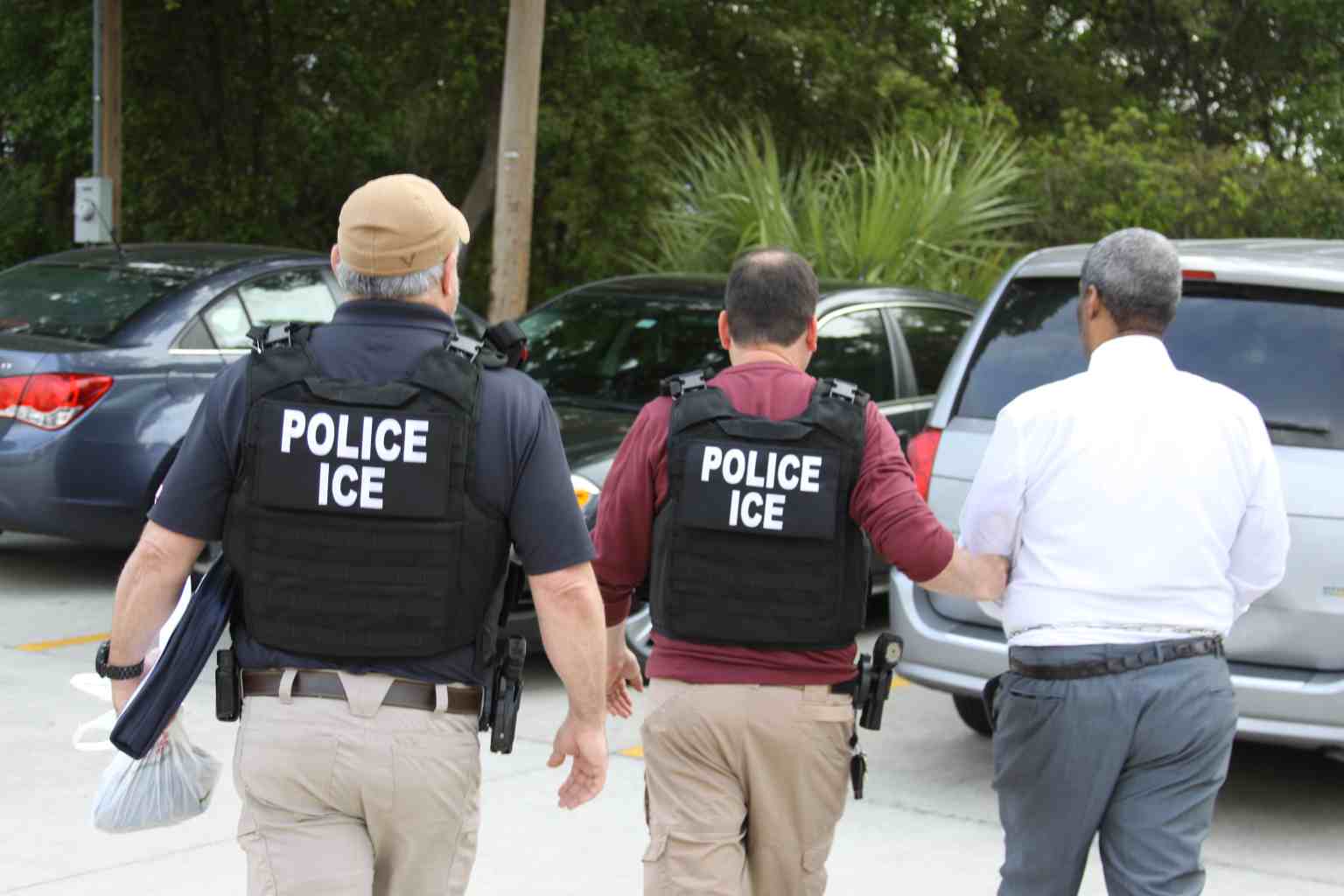
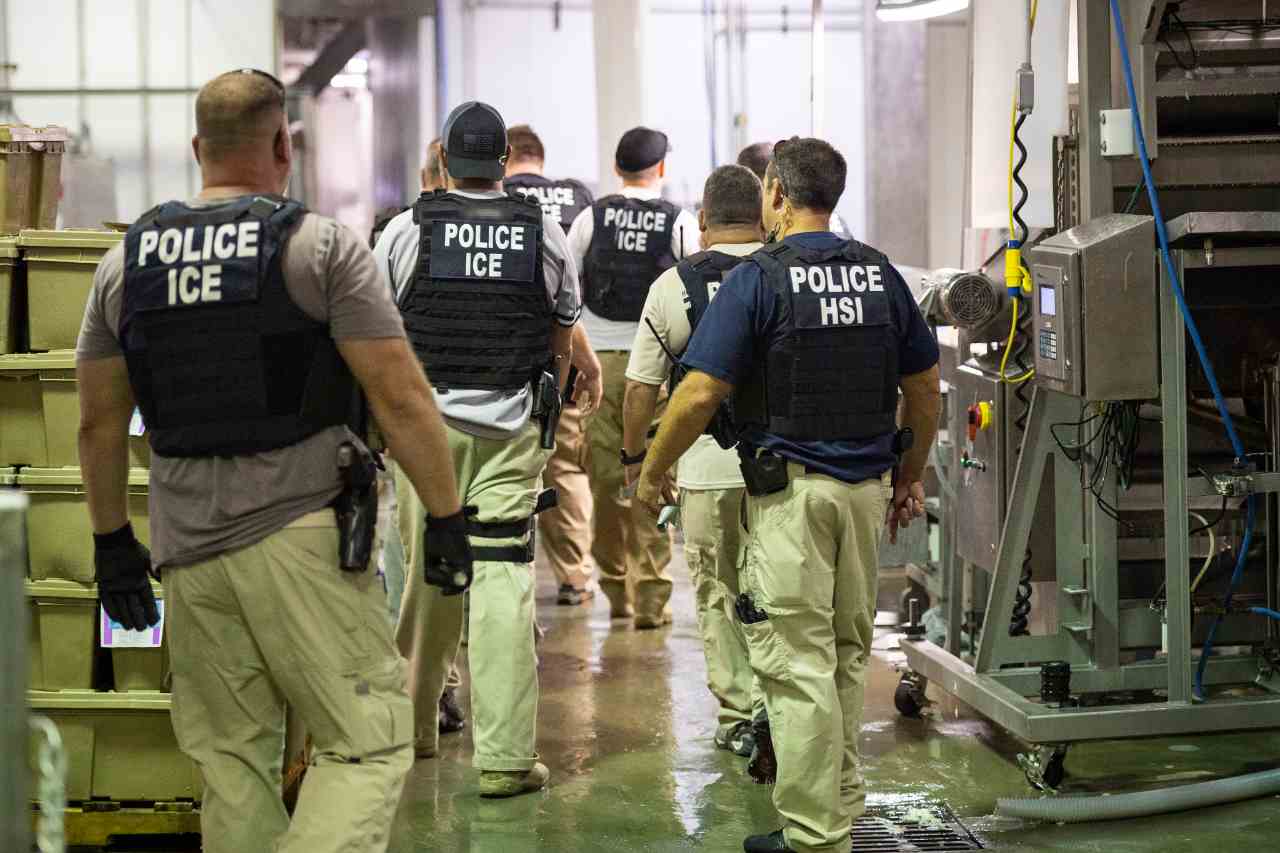
Supporters see these local and state measures as a direct reply to the Trump administration’s intensified enforcement. Under President Donald Trump, U.S. Immigration and Customs Enforcement ramped up visible actions away from the border, including workplace visits, sweeps around courthouses and patrols in areas known for informal work.
Public guidance from U.S. Immigration and Customs Enforcement describes broad authority to arrest people who are removable under federal law, and advocates say that, in practice, this power has reached deep into the vending economy.
Local officials stress they cannot stop federal agents from carrying out immigration raids, but they argue they can avoid helping them. Typical local steps include:
- Separating local licensing databases from federal systems.
- Directing police not to act as a pipeline to immigration agents when they ticket or question vendors for local code issues.
- Passing data privacy rules to prevent easy transfer of personal information.
Immigrant rights lawyers warn that without these firewalls, a simple license check or sidewalk inspection can turn into a life‑changing event. A vendor with an expired permit might start with a city inspector and then find themselves questioned by federal officers if local records are easy to search.
Economic ripple effects
Vendor groups also warn of wider economic damage if current trends continue.
- When large numbers of street vendors stay home because of nearby immigration arrests, entire commercial strips can feel abandoned.
- Small brick‑and‑mortar stores that rely on foot traffic from people visiting food carts and stands see sales fall.
- Community advocates say the risk is especially high in Latino neighborhoods, where street vending often provides both jobs and affordable food.
Local tensions and political balance
At the same time, some residents complain about crowding, trash and sidewalk access, creating political pressure for tougher local enforcement even as federal crackdowns intensify.
City leaders are trying to balance:
- Community concerns about public space and sanitation, and
- The reality that many vendors are long‑time residents raising children and paying local taxes, even if they lack full immigration status.
Policy specialists note this push for vendor protections fits into a larger debate over how much local governments should cooperate with federal immigration crackdowns. Sanctuary city laws, police‑ICE cooperation limits and new privacy rules for business licenses are all part of that wider struggle over where to draw the line.
For now, vendors in places like Washington and New York say they are watching what lawmakers do next almost as closely as they watch the streets for federal agents.
Intensified federal immigration enforcement has driven street vendors into the shadows, reducing customers and earnings. Many operate without permits—Washington estimates about three‑quarters unlicensed and over 10,000 on waiting lists. Cities are pursuing reforms: New York debates raising or removing permit caps, and California will bar local agencies from sharing vendor application data with federal immigration authorities starting January 2026. Local measures aim to shield vendors from federal enforcement while balancing sanitation and public space concerns.