- The State Department reinstated the passport requirement for the Diversity Visa lottery beginning with the DV-2028 program.
- Applicants must now upload passport scans and provide valid passport numbers during the initial online registration process.
- The rule aims to curb identity fraud and prevent unauthorized third-party submissions by verifying applicants early.
(UNITED STATES) — The U.S. Department of State issued a final rule on March 10, 2026, reinstating a passport requirement for people entering the Diversity Visa lottery, requiring DV entrants to provide a valid, unexpired passport number during online registration.
The rule applies to the DV-2028 program, with entry opening in fall 2026 after a 30-day effective period following Federal Register publication.
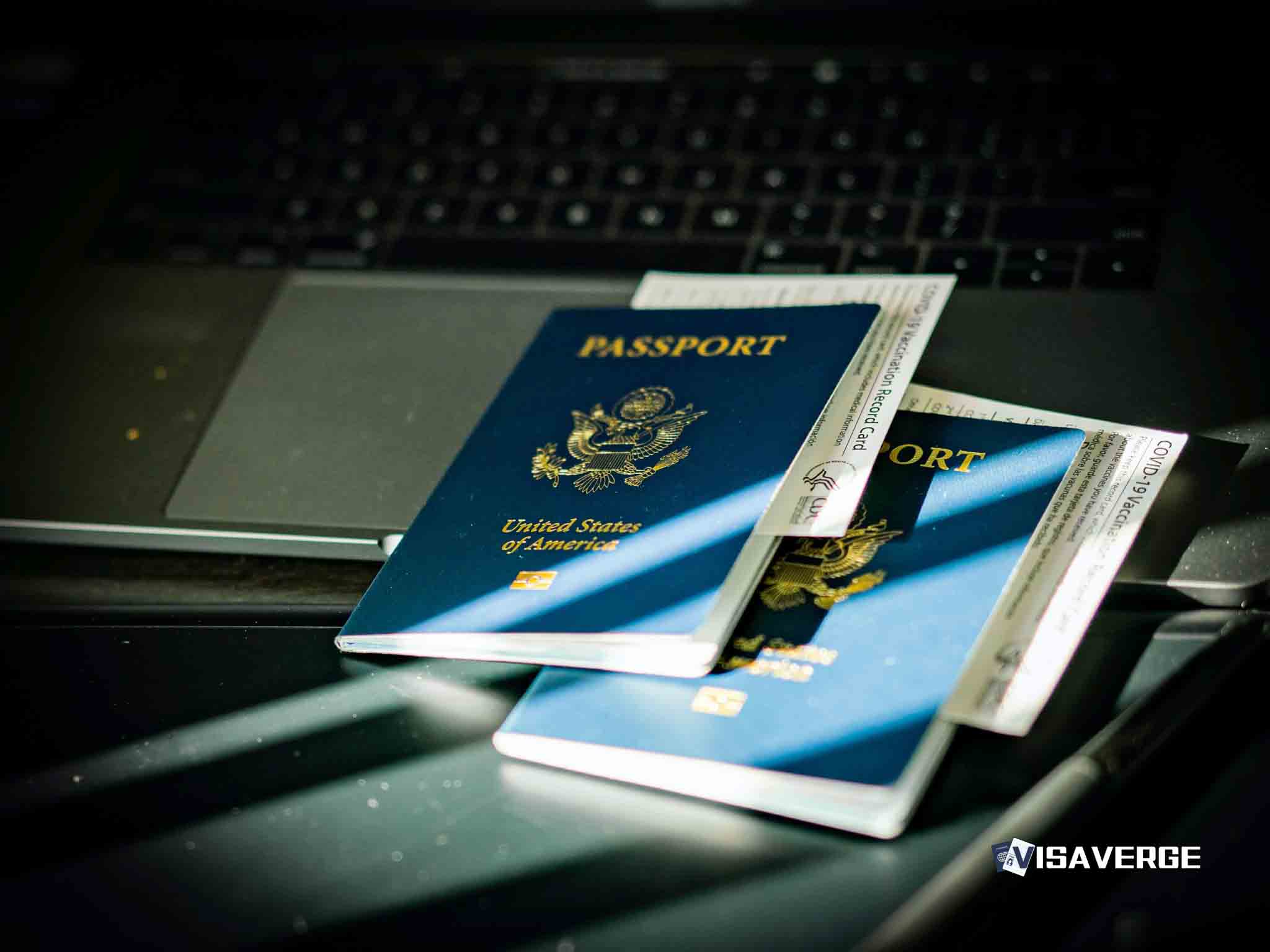
The change restores a screening step that had been relaxed in more recent entry cycles, and it makes a passport a gatekeeping document at the moment applicants submit an entry rather than later in the process.
State Department officials framed the move as a program integrity measure, linking the passport requirement to efforts to curb duplicate entries, identity fraud, and unauthorized third-party submissions tied to fraud rings.
Under the final rule, DV-2028 entrants must submit a valid, unexpired passport number at registration and upload a scan of the passport’s biographic (photo) page and signature page.
The passport images must be in JPEG format and under 5 MB, the State Department said.
Entries that lack the passport number or required uploads, or that include missing or invalid passport information, are treated as invalid under the rule.
That approach raises the stakes for applicants who complete the entry close to the deadline, because mistakes that might once have been correctable later can now block an entry at the registration stage.
The State Department first proposed the rule in 2025, and it revives what it described as a 2019 policy that a federal court struck down in 2022.
In a timeline laid out by the department, the DV-2026 registration period ran October 2–November 7, 2024, and it did not require a passport number at entry.
The DV-2028 cycle, by contrast, will make the passport mandatory when entry opens in fall 2026, with exact registration dates to be posted on travel.state.gov.
The final rule also preserves limited exemptions, though the categories are narrow and can require applicants to justify the exception later in the process.
Exemptions cover stateless persons, people unable to obtain passports from communist-controlled countries, and individuals with certain U.S. government waivers.
Even when an entrant expects to claim an exemption, the rule’s structure means applicants may still need to be prepared to explain or document the basis for that exemption if the entry advances.
The State Department’s rationale centers on identity verification at the earliest stage of the lottery, aiming to reduce duplicate submissions by the same person and to limit identity mismatches that can emerge when entrants submit inconsistent biographic information.
Officials also cited concerns about unauthorized third-party submissions, including schemes in which intermediaries file entries without an applicant’s full knowledge or consent and then demand payment if the entrant is selected.
National security considerations also featured in the department’s justification, with officials pointing to risks that fraud rings can create when identities are manipulated and later screening becomes more difficult.
A timeline tool accompanying the rule describes when the passport requirement takes effect in relation to publication and the next entry season, reflecting the department’s aim to align the policy with the upcoming DV-2028 registration period.
The State Department’s move also intersects with existing Diversity Visa instructions from earlier cycles, which in practice often separated entry-stage requirements from later interview documentation.
DV-2026 instructions, as described by the department, still list passport details as optional during entry, even while requiring a valid passport with 6+ months validity for visa interviews if an applicant is selected.
That contrast matters for applicants who learned the process during the recent period when a passport number was not required at registration, but who still faced passport scrutiny later at the interview stage.
By restoring the passport-number requirement at entry for DV-2028, the department shifts part of the compliance burden forward, adding document readiness to the moment an applicant decides to participate.
The change also carries cost and access implications that the department and immigration advocates have framed differently.
The State Department estimates average passport fees at $75 in eligible countries.
Immigration advocates argue the rule can exclude low-income applicants from Africa and Asia—the program’s target groups—because of passport costs and processing delays that can stretch beyond a typical registration window.
Timing can be decisive because the DV entry period runs for a limited period each year, and a passport requirement at registration can turn local backlogs into a barrier to participation.
Applicants who can access passports quickly may proceed with the online entry process, while those facing long appointment queues or administrative delays may miss the chance to file a valid entry for that year.
The rule’s impacts extend beyond individuals because the Diversity Visa program functions as an unsponsored pathway to permanent residence, unlike many employer-driven routes that require a job offer or petition.
When entry requirements add friction, participation can fall or shift, which can affect the pool of future candidates who might later become work-authorized residents without an employer having sponsored their initial immigration path.
Recruiters and global mobility teams tracking long-term hiring needs may need to adjust expectations about timing and candidate mobility, because the lottery’s entry stage now requires a document that may take time to secure in many countries.
The State Department’s description of business impacts also pointed to the possibility that some employers may revisit alternative immigration routes for key hires, without the Diversity Visa serving as a viable option for as many candidates.
As of March 11, 2026, no further updates appear beyond the final rule, and the department directed applicants to watch travel.state.gov for DV-2028 instructions when they are released.
Those official instructions and any related FAQs typically spell out entry-season requirements in more detail, and they can clarify how the State Department will apply the passport requirement and exemptions during the DV-2028 registration period.