- SpiceJet launched twelve special repatriation flights from Fujairah to India following UAE airspace closures.
- The airline resumed regular scheduled services to Delhi and Mumbai starting March 4, 2026.
- Operations were coordinated with aviation authorities and Indian missions to assist stranded citizens.
(FUJAIRAH) — SpiceJet operated four special flights from Fujairah on March 3, 2026 to repatriate Indian nationals stranded after a UAE airspace closure, sending aircraft to Delhi, Mumbai and Kochi.
The carrier ran two flights to Mumbai, one to Delhi and one to Kochi as part of the repatriation flights, it said.
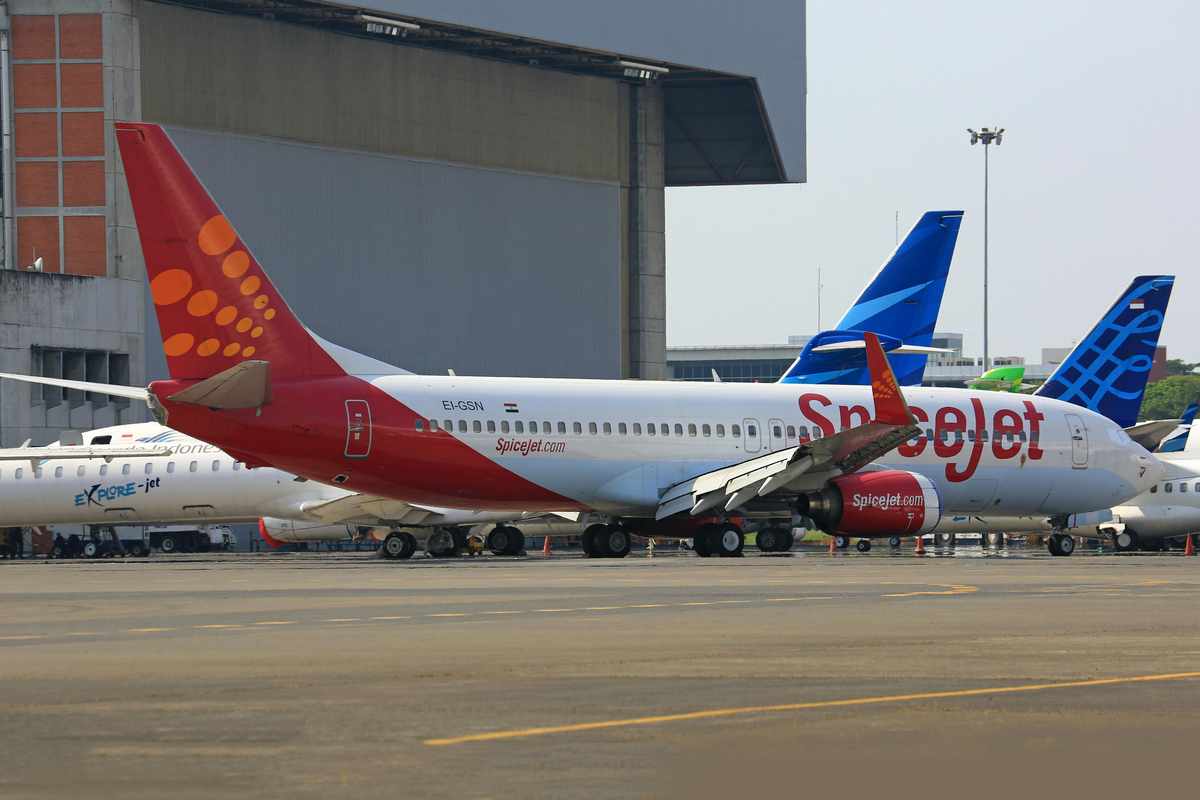
SpiceJet coordinated the operations with aviation authorities to bring back passengers affected by the temporary shutdown of UAE airspace during the West Asia conflict.
The special flights came as the airspace closure left Indian nationals in the UAE facing disrupted travel plans and uncertainty over onward movement.
Fujairah, on the UAE’s east coast, became the departure point for the carrier’s efforts to restore connections to India while restrictions affected normal routings.
Airline officials described the flights as a targeted response aimed at moving stranded passengers in an orderly way under the constraints created by the closure.
SpiceJet did not provide a breakdown of passenger numbers on the March 3 flights, but it framed the operation as a repatriation effort tied directly to the airspace disruption.
The March 3 schedule concentrated on major Indian cities, with Mumbai receiving two services and Delhi and Kochi receiving one each.
By dispatching two flights to Mumbai, SpiceJet focused capacity on a route that often carries heavy traffic between the UAE and India, while still covering the national capital and Kerala’s main gateway.
The airline said the four departures were coordinated with aviation authorities to ensure a safe and timely return for affected passengers.
Officials did not detail the specific timing of the departures from Fujairah, but presented them as special services arranged to address immediate demand.
SpiceJet’s use of Fujairah for the operation underscored how carriers can shift operational focus to keep routes moving when standard patterns face disruption.
The carrier linked the need for the special flights to the UAE airspace closure during the West Asia conflict, which it said stranded Indian nationals.
SpiceJet described the March 3 services as repatriation flights rather than routine scheduled operations, indicating they were set up for passengers unable to travel as planned.
On Wednesday, March 4, the airline expanded its activity out of Fujairah beyond the initial four flights.
From March 4 onwards, SpiceJet resumed regular scheduled services between Fujairah and Delhi, and between Fujairah and Mumbai, it said.
The restoration of the Fujairah–Delhi and Fujairah–Mumbai schedules marked a shift from emergency-style operations back toward routine connectivity, even as demand for special travel continued.
Alongside the resumption of regular services, SpiceJet also added more special flying from Fujairah on March 4.
On March 4, 2026, SpiceJet operated eight additional special flights from Fujairah—four to New Delhi, three to Mumbai, and one to Kochi—to accommodate continued demand from stranded passengers.
The March 4 plan again weighted capacity toward India’s largest hubs, while keeping a dedicated option for Kochi.
New Delhi received the largest share of the March 4 special flights, with four services, as SpiceJet sought to move more passengers to the capital.
Mumbai followed with three special flights on March 4, reflecting what the airline described as continued demand among stranded passengers.
Kochi, which had one special flight on March 3, again received one special flight on March 4.
SpiceJet did not specify whether the March 4 special flights operated in addition to the resumed scheduled services, but it presented both efforts as part of restoring and expanding movement.
The carrier characterized the expanded March 4 flying as a capacity increase designed to handle demand created by the disruption.
SpiceJet said the repatriation flights required coordination with aviation authorities because of the UAE airspace closure and the operational conditions linked to the West Asia conflict.
Such coordination, the airline said, helped ensure the safe and timely movement of passengers on the special flights.
SpiceJet also said it worked with Indian missions abroad as part of efforts to manage passenger movement.
The airline did not identify which Indian missions participated, but described the coordination as a way to facilitate orderly travel for those trying to return to India.
Ajay Singh, Chairman and Managing Director of SpiceJet, said the airline’s priority was “to support Indian citizens who are facing uncertainty and want to return home.”
Singh said SpiceJet stood ready to operate additional services as required.
The airline said it was prepared to launch more special flights subject to passenger demand and regulatory approvals.
That position left open the possibility of continued additional repatriation flights from Fujairah if conditions and approvals allowed, though SpiceJet did not announce further dates.
SpiceJet advised passengers to check its official website and social media channels for the latest updates on schedules and booking assistance.
The airline did not describe any separate booking mechanism for the special flights, instead directing passengers to its standard official communications.
SpiceJet framed the guidance as part of managing fast-changing conditions around flight schedules during the airspace shutdown.
By pointing travelers to official channels, the airline sought to centralize updates for those seeking seats on the special services or the resumed scheduled routes.
SpiceJet did not specify whether travelers required any additional documentation beyond normal requirements, but said it coordinated with authorities and Indian missions abroad for orderly movement.
The carrier also did not detail how passengers were selected or prioritized for the March 3 flights, beyond describing the operation as a repatriation of stranded Indian nationals.
For families and individuals seeking to return, the airline’s statement positioned the Fujairah flights as a practical route back to India during a period of constrained regional aviation activity.
The March 3 operation, with four flights, served as the first announced wave of the carrier’s response from Fujairah.
The March 4 expansion, with eight additional special flights alongside the resumption of regular services, indicated a quick scaling up in response to ongoing demand.
SpiceJet’s focus on Delhi, Mumbai and Kochi reflected destinations that can disperse passengers onward within India through established domestic networks, although the airline did not discuss onward travel.
The airline did not provide details on the aircraft used, the load factors, or the precise flight numbers for the special services.
Still, the schedule made clear that Mumbai received the highest number of services across the two days, with two special flights on March 3 and three on March 4.
New Delhi, served by one special flight on March 3, became the largest recipient of special flights on March 4 with four services, while also regaining regular scheduled connections from Fujairah.
Kochi remained part of the repatriation effort on both days, with one special flight on March 3 and one on March 4.
SpiceJet did not describe how long the UAE airspace closure lasted, but linked the disruption directly to the temporary shutdown during the West Asia conflict.
The carrier’s statements emphasized operational readiness and coordination, rather than offering broader commentary on the conflict or the duration of the restrictions.
By March 4, SpiceJet said it had resumed regular scheduled services on two key city pairs from Fujairah, suggesting efforts to normalize travel on at least part of its network.
At the same time, the airline’s additional special flights signaled that the repatriation operation was not limited to a single day.
Singh’s statement connected the airline’s decisions to the needs of citizens who, he said, were facing uncertainty and wanted to return home.
SpiceJet’s messaging also highlighted regulatory approvals as a condition for further expansion, indicating that any additional repatriation flights would depend on official clearance.
The airline did not say whether it expected demand for special flights to continue beyond March 4, but described the extra services as responding to continued demand.
For passengers monitoring options from Fujairah, SpiceJet’s advice was to follow updates through its official website and social media channels.
SpiceJet did not provide separate contact details in its announcement, but directed travelers to those platforms for schedule changes and booking assistance.
As operations continued on March 4, the carrier’s twin approach—resuming regular service while operating additional specials—aimed to move more stranded passengers while restoring routine connectivity.
Singh said the airline stood ready to operate additional services as required, linking the company’s operational posture to demand and regulatory approvals.