Tenants of a South Shore apartment building raided by federal immigration agents are asking a Cook County judge for more time and money to move, saying they were pushed into crisis by the September 30, 2024 operation and a fast‑moving eviction order that now requires everyone to leave by December 12, 2024.
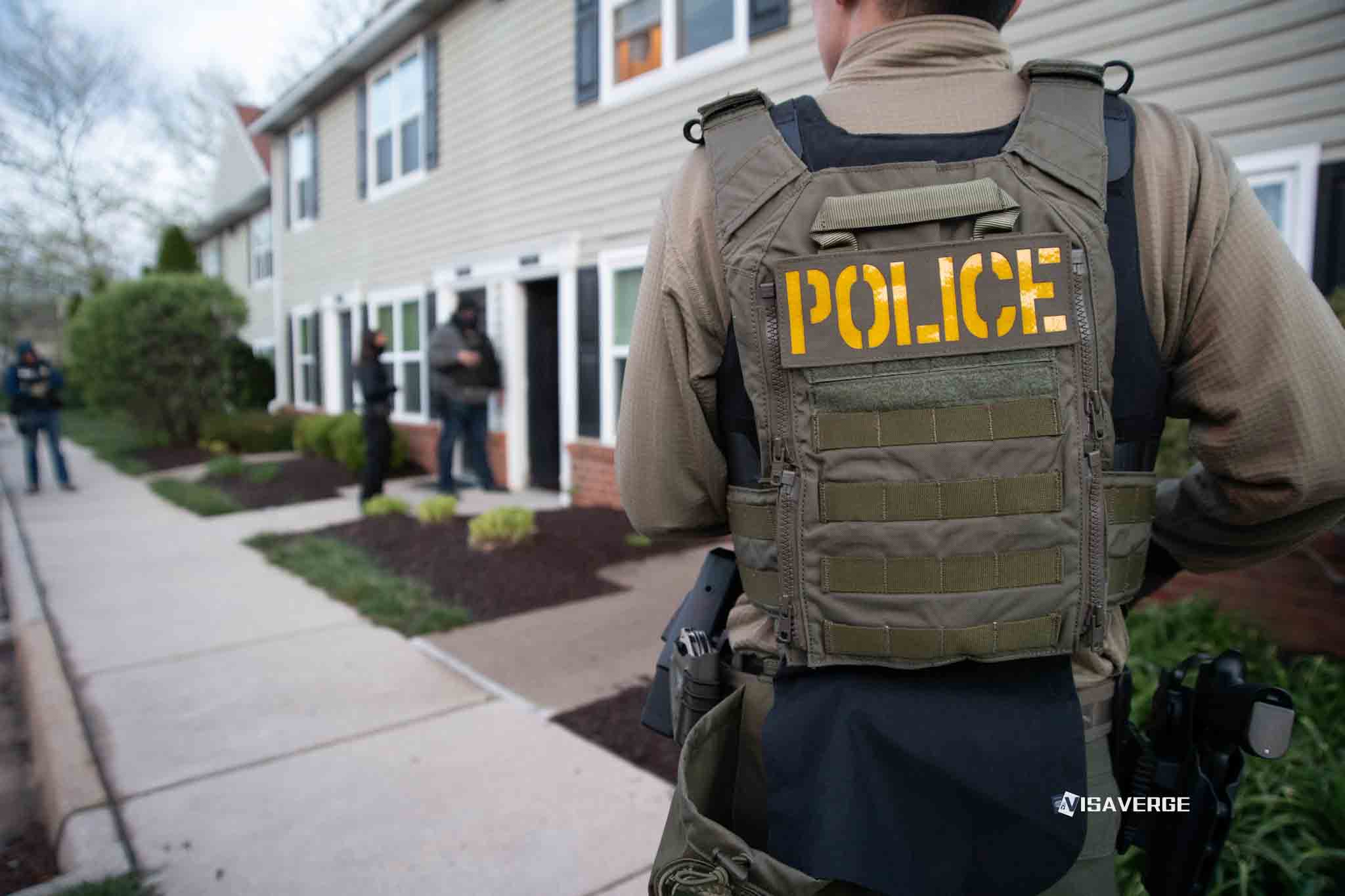
The building at 7500 South Shore Drive, already in foreclosure and long plagued by serious safety problems, was the target of an early‑morning ICE raid that ended with about 37 people detained, many of them Venezuelan immigrants along with several U.S. citizens and children, according to court filings.
In the weeks that followed, conditions inside the aging complex worsened, and Wells Fargo, which holds the mortgage, asked a Cook County Circuit Court judge for an emergency order to clear the property. The judge granted that request, setting December 12, 2024 as the deadline for every household to vacate.
Tenant organizing and emergency filing
Residents have organized as the 7500 South Shore Tenants Union and, with help from the nonprofit Law Center for Better Housing, filed an emergency motion to reconsider the eviction order and keep families in place while a relocation plan is built.
Their filing requests three main forms of relief:
- A 60‑day extension of the move‑out date.
- A written relocation plan with on‑the‑ground services from the City of Chicago and court‑appointed receiver Friedman Communities.
- A $7,500 lump‑sum payment to every household forced to move.
| Requested Relief | Details |
|---|---|
| Extension | 60 days beyond December 12, 2024 |
| Relocation plan | Written plan + on‑site services from City of Chicago and Friedman Communities |
| Lump‑sum payment | $7,500 per household |
“Safe and dignified” relocation, not a rushed exit under threat of sheriff’s deputies, is what tenants say they need.
Conditions after the raid and why tenants say they need help
Tenants say the combination of the ICE raid and worsening building conditions left them with nowhere to go on short notice, especially families with children who were caught up in the chaotic early‑morning operation.
They report that after the raid:
- Some apartments were left damaged.
- Basic services became unreliable.
- Fear of contact with officials increased after seeing doors kicked in and neighbors taken away by armed teams.
Lawyers for the tenants argue the court should not force families—including recent Venezuelan arrivals with pending immigration cases—out on such a tight timeline without a realistic path to new housing.
City and mayoral response
Mayor Brandon Johnson has thrown his support behind the tenants, sending a letter to Friedman Communities urging an immediate delay of the move‑out date and backing the requested $7,500 payments for each household.
City officials had already sued the property’s owner, Trinity Flood, over inspectors’ findings of serious maintenance and safety failures. Those long‑running code issues, paired with foreclosure and the raid, led Wells Fargo to seek control through a receiver. The court appointed Friedman Communities to manage the transition.
Some aldermen have also questioned how the city coordinates with federal authorities during operations like the South Shore ICE raid, and whether local departments should take a larger role in preventing sudden displacements when enforcement actions intersect with failing housing.
Broader context and reactions
According to analysis by VisaVerge.com, the clash at 7500 South Shore reflects a wider pattern in which aggressive federal enforcement actions collide with fragile housing situations—especially for recent arrivals from Venezuela and other countries who have few legal protections and limited access to steady work.
Local officials, activists and members of Congress have condemned the ICE raid as “excessive and traumatizing,” citing reports that agents in military‑style gear used flashbang devices, forced their way into apartments, and detained people who later turned out to be U.S. citizens and children.
The U.S. government explains the role of Immigration and Customs Enforcement on its official site at the Department of Homeland Security: https://www.ice.gov. Still, those formal descriptions offer little comfort to people who woke up to flashbangs and shouting in their hallways.
Risks for immigrant tenants and advocates’ concerns
Immigrant advocates say the case shows how immigration enforcement, housing instability and foreclosure proceedings can collide, leaving tenants—citizens and non‑citizens alike—with few options except to accept last‑minute moves or risk ending up homeless.
Because many tenants are Venezuelan immigrants who survived dangerous journeys to the United States 🇺🇸, friends and volunteer groups warn that forcing them into another emergency move could cause:
- Loss of contact with lawyers
- Missed immigration hearings
- Abandonment of paperwork and appointments
Advocates emphasize that when people are focused on finding a bed for the night, they are far less likely to keep up with check‑ins, court dates, or other appointments necessary to sort out legal status.
What tenants are asking for in practical terms
Tenants are not challenging the foreclosure itself. Instead, they request a structured exit that includes concrete relocation services, such as:
- Help finding units that meet code
- Translation services when needed
- Transportation assistance for families without cars or savings
They ask the same judge who issued the original eviction order to reconsider, arguing that more time and clearer support would protect vulnerable residents without blocking the long‑planned transfer of the troubled property.
Immediate choices and potential impact
For tenants still living at 7500 South Shore, the legal debate is urgent: they must decide whether to search for new housing now while fighting for an extension, or to hold on and hope the court grants more time and direct assistance.
Either way, the outcome will influence how future immigration enforcement actions affect at‑risk renters across Chicago.
After an ICE raid on Sept. 30, 2024, tenants at 7500 South Shore Drive face a Dec. 12 vacate deadline imposed after Wells Fargo sought a receiver. Residents, organized as the 7500 South Shore Tenants Union with legal help, ask the court for a 60‑day extension, a written relocation plan with on‑site city and receiver services, and $7,500 per household. Mayor Brandon Johnson supports the delay and payments. Advocates warn rapid displacement could disrupt immigration cases and worsen housing insecurity.