

(MORLAIX, FRANCE) — A Ryanair Boeing 737 MAX flight from Birmingham to Tenerife hit severe turbulence Sunday afternoon, injuring several passengers and forcing an emergency return. The incident is a reminder to keep seat belts fastened even when the ride seems smooth.
The flight was operating as Ryanair flight FR1211, though some reports listed it as FR1121. The aircraft was a Boeing 737 MAX 8-200 registered EI-HGO. It returned to Birmingham International Airport (BHX) after the event.
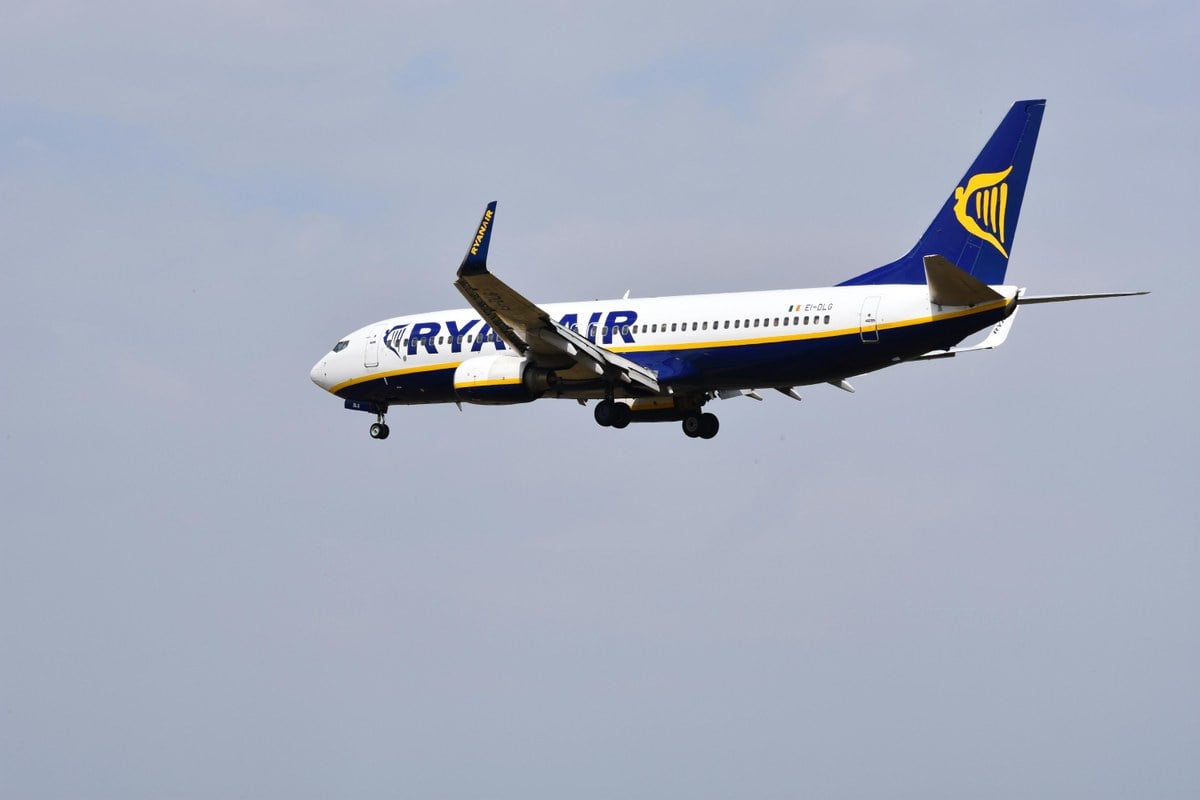
The turbulence encounter occurred on December 28, 2025, at about 16:00 local time, with reports placing it near Morlaix in northwest France. The aircraft landed back at Birmingham without further incident.
No fatalities were reported. Early reports said the aircraft was not damaged. Several passengers were reported injured, though public reports did not include a confirmed count.
Ryanair has not issued a detailed public statement on the injuries or the exact sequence of events. Aviation incident listings and social posts circulated overnight into Monday. More details typically follow once the airline and authorities complete initial reporting.
What happened, in plain English
Severe turbulence can arrive with little warning. It can throw unbelted passengers into ceilings or armrests in seconds, and it can injure crew members who are handling service carts. That is why airlines repeatedly ask passengers to stay buckled.
This incident occurred during the en route portion of the flight. The airplane is a 2021-built 737 MAX 8-200, powered by CFM LEAP-1B engines.
For travelers, the practical impacts are straightforward:
- A mid-flight return usually means a long airport wait, rebooking stress, and missed hotel nights.
- It can also mean out-of-pocket costs while you wait for the next flight.
Your rights if your Ryanair flight returns to origin
When a flight returns to its departure airport, airlines generally treat it like a disruption. In Europe and the UK, care and rerouting rules can apply, and cash compensation under EU261 or UK261 depends on the cause.
- Turbulence and weather-related events are often treated as “extraordinary circumstances,” which typically reduces the chance of EU261-style cash compensation.
- Duty of care can still apply, including meals, lodging, and transport during extended delays.
Quick cheat sheet — what to document and request
| Item | What to do at the airport | What to save for later |
|---|---|---|
| Rebooking | Ask to be moved to the next available flight to Tenerife | Screenshots of offered options and departure times |
| Refund option | If you no longer want to travel, request a refund of the unused ticket | Confirmation email or chat transcript |
| Duty of care | Ask about meals, hotel, and transport if you’re stuck overnight | Receipts for reasonable expenses if the airline cannot provide vouchers |
| Medical needs | Request on-site medical support and file an incident report | Medical paperwork and any expense receipts |
Airlines can be strict about receipts. If you buy food, keep it reasonable and itemized. If you book a hotel, choose something near the airport when possible.
Why this matters beyond this one flight
- Tenerife is a high-volume leisure market from the UK. Low-cost carriers like Ryanair keep fares down, but disruptions can be more painful when flights run only once daily.
- If you were booked on this service, the quickest way to get moving is often accepting the earliest reroute offered. Refunds can take longer to process.
- This incident occurred during peak winter sun season, when seats to the Canary Islands can sell out quickly around holidays, lengthening rebooking timelines after irregular operations.
Competitive context: how disruption handling differs by airline
- Ryanair is built for low fares and high aircraft utilization. When the schedule is disrupted, it may have fewer spare planes and fewer interline partners than network carriers.
- A full-service airline can sometimes reroute you via a hub or on partner flights. Low-cost airlines usually reroute within their own network first, which can be slower on thinner routes.
If you compare carriers for future UK–Canaries travel, this is the tradeoff: the cheapest ticket may cost more later if you need flexibility.
Loyalty and points angle: where you can still come out ahead
- Ryanair does not operate a traditional mileage program or elite tiers that assist during disruption.
- Payment method matters: if you used a premium travel credit card, you may have trip delay or trip interruption coverage. Many policies require a minimum delay and documentation, and some cover meals and hotels up to a cap.
- If you booked via a third-party travel site, expect extra complexity: the agency often controls ticket changes, not the airline. Dealing directly with the operating carrier can sometimes be faster, but rules vary.
- If you purchased Ryanair “Plus” or “Flexi” add-ons, check the included change and support terms — these bundles can reduce rebooking friction during irregular operations.
Heads Up: If you were on FR1211, keep boarding passes, baggage receipts, and every itemized receipt from December 28 onward. File any expense claim promptly while details are fresh.
What happens next
- Turbulence events are reviewed differently from technical incidents. Investigations often focus on forecast conditions, onboard weather radar use, and cabin safety compliance.
- For passengers, the most important next step is administrative: make sure the airline has your correct email and phone number in the booking. That is how you’ll receive reaccommodation details.
- If you were impacted by the Ryanair flight FR1211 emergency return, submit reimbursement requests within days, not weeks, and keep copies of everything you send.
On December 28, 2025, Ryanair flight FR1211 from Birmingham to Tenerife encountered severe turbulence over northwest France. The Boeing 737 MAX 8-200 returned safely to Birmingham after several passengers sustained injuries. While the aircraft was undamaged, the incident disrupted holiday travel during the peak winter season. Passengers are urged to maintain seat belt use and keep itemized receipts for any out-of-pocket expenses incurred during the rebooking process.


