(UNITED STATES) — Senate Republicans, led by Senators Mike Lee and John Cornyn, escalated calls on Wednesday for the SAVE America Act after the U.S. House passed the bill on February 11, 2026.
The measure, formally titled the SAVE America Act (S. 1383), mandates documentary proof of U.S. citizenship for federal voter registration and a photo ID requirement for voting, including rules that would affect absentee and mail ballots.
Lee, a Republican from Utah, and Cornyn, a Republican from Texas, have pressed the bill as a national standard for federal elections, arguing it would tighten safeguards around who can register and cast a ballot. Rep. Chip Roy, a Republican who represents Texas’ 21st congressional district, co-sponsored the legislation in the House.
The push comes as Senate Republicans try to turn House passage into a Senate vote, despite procedural hurdles that have blocked similar efforts before. The bill builds on prior SAVE Act versions from 2024 and 2025 that stalled in the Senate.
At the center of the proposal is a shift away from current voter registration practices that allow applicants to attest to citizenship status under penalty of perjury. The SAVE America Act would replace that attestation model for federal voter registration with a requirement that states collect documents showing citizenship before processing a federal voter registration application.
The legislation amends the National Voter Registration Act of 1993, setting a nationwide rule that would prohibit states from processing federal registrations without specified citizenship documentation. The text contemplates widely held documents, such as a passport or a birth certificate, and also references a REAL ID indicating citizenship.
Beyond the standard documentation pathway, the bill directs states to establish alternative processes for people who lack the typical documents. The legislation also requires states to conduct regular voter roll checks against the Department of Homeland Security’s SAVE database as part of roll maintenance and removal workflows, a change that would add a federal database check to routine list management.
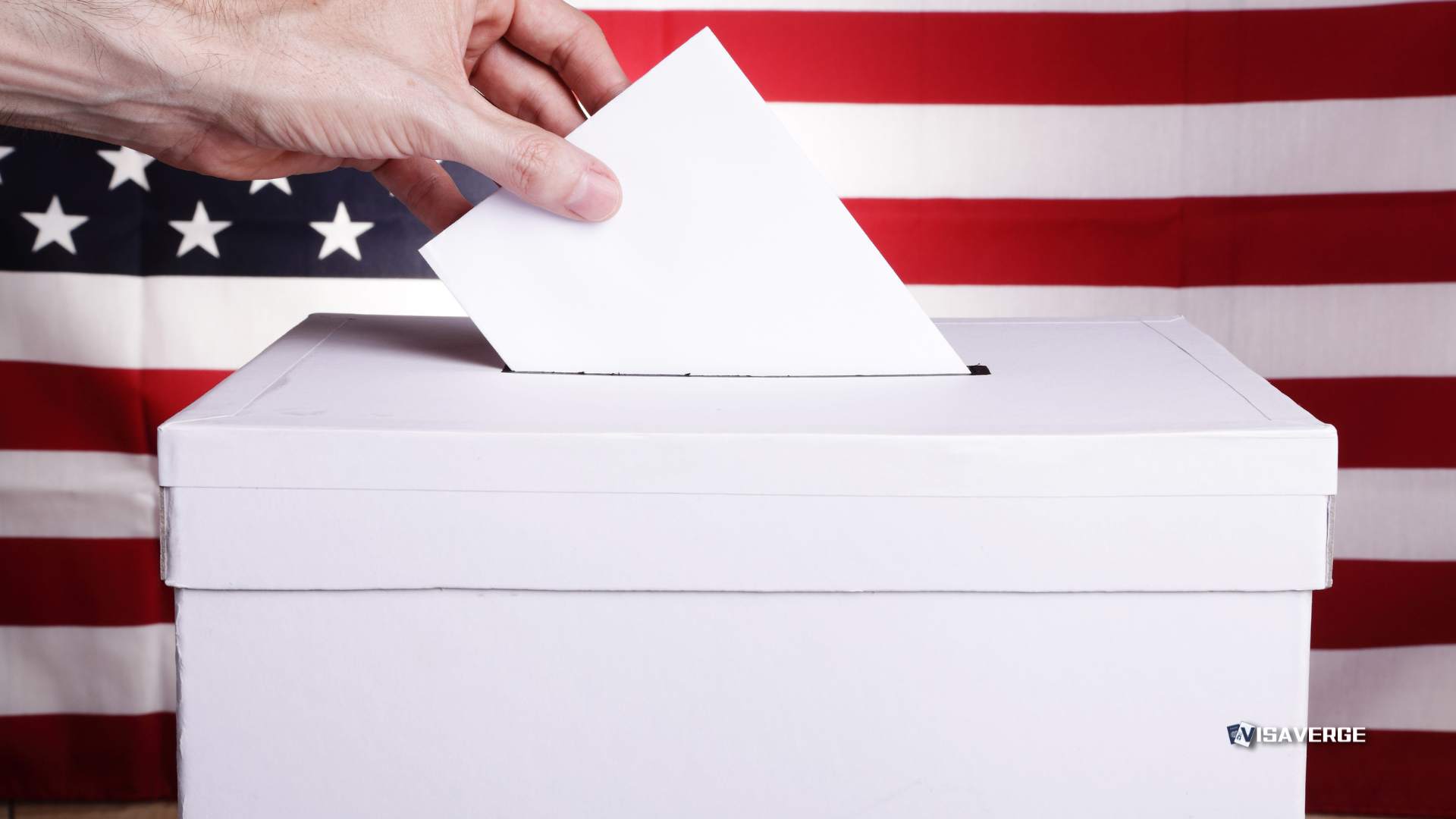
Election administrators would also face new requirements at the ballot box. The bill mandates that voters present a photo ID showing citizenship status when voting at the polls, and it extends the concept to mail voting by requiring photocopies to be submitted with absentee ballots.
House passage on February 11, 2026, now puts the question before a Senate where the numbers do not guarantee an easy path. Republicans hold a 53-47 majority, but the bill faces a 60-vote filibuster threshold that typically requires bipartisan support.
Senate Majority Leader John Thune, a Republican from South Dakota, has promised a vote, but he has shown no support for bypassing the filibuster. That stance keeps the bill on a track where Senate Democrats can block final passage by sustaining a filibuster.
The proposal would land differently across a country where election administration and voter identification rules vary widely by state. Only three states — Arizona, Kansas, New Hampshire — currently require proof of citizenship for all new registrants, and court rulings have shaped how much of those laws can be enforced.
Arizona operates a dual-track system in which some voters end up on a “federal-only” registration path, an approach that restricts participation to federal races in practice. Kansas’ proof-of-citizenship law has gone unenforced per judicial order, limiting the state’s ability to implement its requirements.
The photo ID landscape is also uneven. The bill would impose a uniform federal rule in a country where 27 states lack photo ID mandates, forcing changes in how many jurisdictions verify voters at the polls and how they handle identification and documentation for absentee ballots.
Opponents, including election officials and groups like the Bipartisan Policy Center, argue the bill would burden eligible voters, particularly those who do not have ready access to citizenship documents. They also warn it would disrupt election administration for the 2026 midterms without funding or time, while addressing noncitizen voting they describe as rare and already deterred by penalties.
Supporters frame the bill as an election integrity measure and argue states have demonstrated the ability to change election rules quickly when pressed. Justin Riemer of Restoring Integrity and Trust in Elections has pointed to rapid COVID-era changes as an implementation precedent.
Both sides have focused on practical capacity questions that would shape how any new federal rule operates on the ground. Administrators would need processes for document review and exceptions, updated training, and new verification workflows tied to voter registration and list maintenance, while also handling mail ballot submissions that would now include photocopies under the bill’s framework.
The debate also plays out against an existing federal ban on noncitizen voting in federal elections. The Illegal Immigration Reform and Immigrant Responsibility Act of 1996 already bars noncitizens from voting in federal contests, and states vary in how they approach enforcement.
That legal backdrop has not reduced the central political roadblock in the Senate. Senate Democrats have vowed to block the bill, citing disenfranchisement risks, setting up a procedural fight in which the filibuster threshold becomes as important as the bill’s underlying policy.
For the SAVE America Act to become law, the Senate would have to pass the measure before it could move to final enactment steps. Until Republicans secure a path to 60 votes, the House-approved bill remains caught between a promised Senate vote and the procedural math that has stalled similar efforts in 2024 and 2025.
Senate GOP Pushes SAVE America Act Requiring Photo ID and Citizenship Proof
Following House passage, Senate Republicans are advocating for the SAVE America Act to establish national standards for voter registration. The bill requires proof of citizenship and photo IDs, aiming to replace current attestation-based systems. However, with a 53-47 majority, Republicans need bipartisan support to overcome a 60-vote filibuster. Critics warn of administrative burdens and potential voter disenfranchisement, while supporters emphasize the need for enhanced election security.