- Seattle’s Boeing Field has become a central hub for rapid ICE transfers, with over 200 flights recorded.
- National deportation flights surged by 46 percent in the first year of the current administration.
- Advocates report that concealed flight tracking data prevents families from locating detained relatives quickly.
(SEATTLE, WASHINGTON) — Federal immigration authorities used King County International Airport, better known as Boeing Field, as a primary staging ground for rapid detainee transfers over the past year, with more than 200 ICE-related flights moving people out of Washington in what advocates and researchers describe as a pattern of being Deported in days.
Data from the University of Washington Center for Human Rights identified Boeing Field as a central hub in that system. Detainees often moved from the Northwest ICE Processing Center in Tacoma to the Seattle airport and then left the state within days, frequently before they could secure legal counsel or notify relatives.
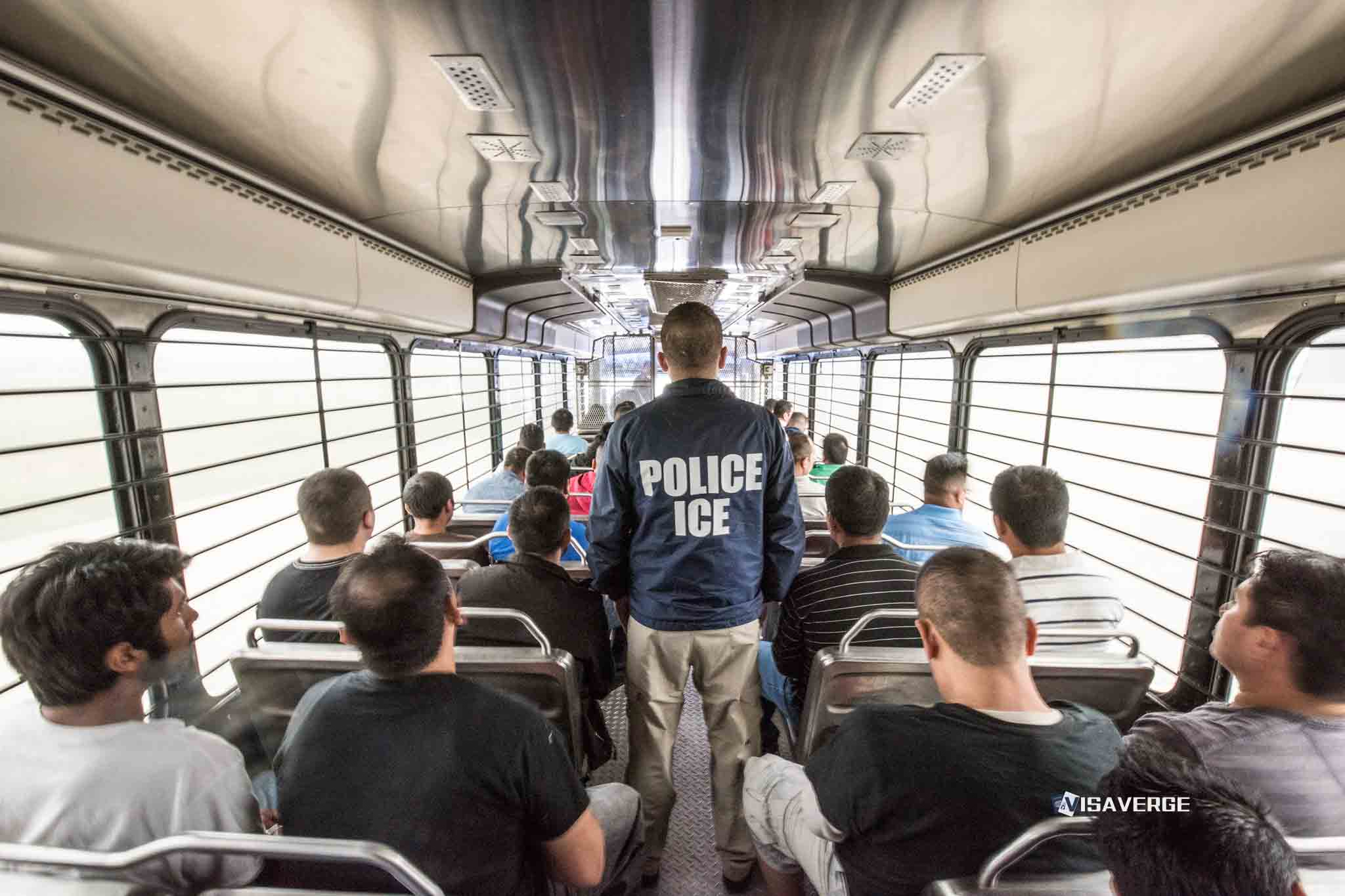
That pace has made Seattle an increasingly visible node in ICE transfer flights even as the flights themselves became harder to track. In July 2025, advocacy groups and flight monitors reported that ICE began using “dummy” call signs and unlisting tail numbers on commercial tracking apps to mask the frequency and destination of the flights.
National figures point to the same broader trend. The Human Rights First “ICE Flight Monitor” report, dated February 19, 2026, said ICE Air Operations reached record levels in the first year of President Trump’s second administration.
The report counted 2,253 deportation flights between January 20, 2025, and January 20, 2026, a 46% increase over the previous year. It also counted 9,066 domestic transfers between detention centers, a 132% increase.
By February 2026, ICE Air was averaging 56 flights each day across the United States. Those domestic movements, sometimes called “shuffle” flights, included transfers through hubs such as Seattle.
Seattle’s role expanded after a court ruling cleared a path for the flights to continue. In December 2024, the 9th Circuit Court of Appeals overturned a 2019 King County executive order that had tried to block Boeing Field from being used for deportation flights.
That decision placed the airport back at the center of a long-running fight over local control, federal enforcement power and the speed of removals. Since then, Boeing Field has drawn renewed attention from legal groups, city officials and community organizers.
Another factor behind the Seattle traffic has been Operation PARRIS, short for “Post-Admission Refugee Reverification and Integrity Strengthening.” Many flights out of the Seattle hub were linked to that operation, which targeted refugees for status re-examination and led to sudden arrests and transfers to larger staging facilities in Texas.
Local officials moved this year to limit any wider detention buildout. On March 10, 2026, the Seattle City Council passed an emergency one-year ban on the construction of new detention facilities in response to DHS inquiries about expanding its footprint in the region.
The federal government has not issued a single statement devoted solely to the Seattle transfer pattern. Still, senior officials described broader airport deployment plans during the DHS funding shutdown in February and March 2026.
Lauren Bis, Acting Assistant DHS Secretary for Public Affairs, said on March 22, 2026, “This pointless, reckless shutdown of our homeland security workforce. has caused hours-long delays for travelers across the country. [DHS] will deploy hundreds of ICE officers to airports being adversely impacted.”
Tom Homan, the administration’s border czar, said the same day, “We’ll have a plan by the end of today including what airports we’re starting with. [focusing on] the large airports where there’s a long wait.”
Those remarks addressed airport staffing during the shutdown, not Boeing Field specifically. But they offered a public look at how immigration personnel could be redirected into airport operations at a time when detention transfers and removals were already climbing.
ICE also defended conditions in its custody earlier this year. “ICE is committed to ensuring that all those in custody reside in safe, secure and humane environments. Comprehensive medical care is provided from the moment individuals arrive and throughout the entirety of their stay,” the agency said in an official ICE Newsroom statement on January 7, 2026.
Researchers and advocates tracking the Seattle flights described a different practical effect on detainees and their families. They said the speed of transfer out of Tacoma sharply reduced access to the Northwest Immigrant Rights Project and other local legal resources.
For detainees, hours can matter. A transfer from Tacoma to Boeing Field and then to another state can remove someone from lawyers, interpreters and support networks before an attorney can intervene or a family can learn where the person has gone.
Families also struggled to locate loved ones after rapid transfers from the Tacoma facility, particularly when flight data was obscured. Relatives reported going days or weeks without knowing where a detainee had been taken.
That combination of speed and secrecy has made Boeing Field more than a transportation stop in the immigration system. For many detainees, it has become the place where a local case abruptly turns into a distant one.
The concealed flight data reported in July 2025 added to that uncertainty. By using dummy call signs and unlisted tail numbers on tracking apps, authorities made it harder for outside groups to follow departures and destinations in real time.
That hindered independent monitors who had tried to match flight patterns with detention transfers. It also made it harder for attorneys and family members to anticipate where a person might reappear after leaving Tacoma.
Seattle’s geography and infrastructure help explain why the airport works as a hub. Boeing Field sits close to the Northwest ICE Processing Center, allowing detainees to move from detention to an airfield without the delay of a longer overland transfer to a more distant airport.
Once there, people can be routed out of Washington quickly, either on removal flights or on domestic transfers to other detention centers. That structure fits the “Deported in Days” pattern described by researchers tracking the operations.
National data suggests those short-notice transfers are no longer unusual. With 9,066 domestic transfers recorded in the Human Rights First report, ICE moved thousands of detainees between facilities in a single year, often before legal cases or family contacts could catch up.
The removal side of the system also accelerated. A total of 2,253 deportation flights in the year ending January 20, 2026 underscored how air operations have become central to enforcement, not incidental.
At the local level, Seattle officials faced the consequences without controlling the flights themselves. The March 10 emergency ban on new detention facility construction reflected concern that federal authorities were looking to deepen their presence in the region.
That measure did not stop existing transfers through Boeing Field. Instead, it signaled that local resistance was shifting toward limiting future expansion while legal and political disputes over current operations continued.
For attorneys and advocacy groups, the concern is not simply that flights depart from Seattle. It is that detainees can be uprooted so fast that legal representation becomes harder to obtain at the moment it may matter most.
A person arrested in Washington may soon be sitting in a detention center far away, facing a new court, new rules and a new set of obstacles to contact. Relatives in the Northwest can spend days trying to piece together what happened.
The reported treatment on the ground has added another layer of scrutiny. La Resistencia said in a July 16, 2025 report that detainees were held in shackles on the tarmac at Boeing Field for extended periods without adequate clothing for Pacific Northwest weather conditions.
That account stood in tension with ICE’s January statement about “safe, secure and humane environments.” It also sharpened the dispute over what happens between the jail transport van and the airplane door.
Seattle’s emergence as an ICE air hub reflects both policy and logistics: a favorable court ruling, a nearby detention center, rising national flight totals and an enforcement structure built around rapid movement. The result, advocates say, is a system in which people can disappear from Tacoma and reemerge states away before families or lawyers know the plane has left Boeing Field.
For those trying to find them, the flights can be gone in hours. The search can last far longer.