- San Antonio City Council scheduled a special session for January 22 to address rising immigration enforcement concerns.
- Local leaders aim to clarify SAPD’s limited role and ensure community safety amid a federal enforcement surge.
- Federal officials report a 120% increase in manpower while tracking thousands of new immigration court cases.
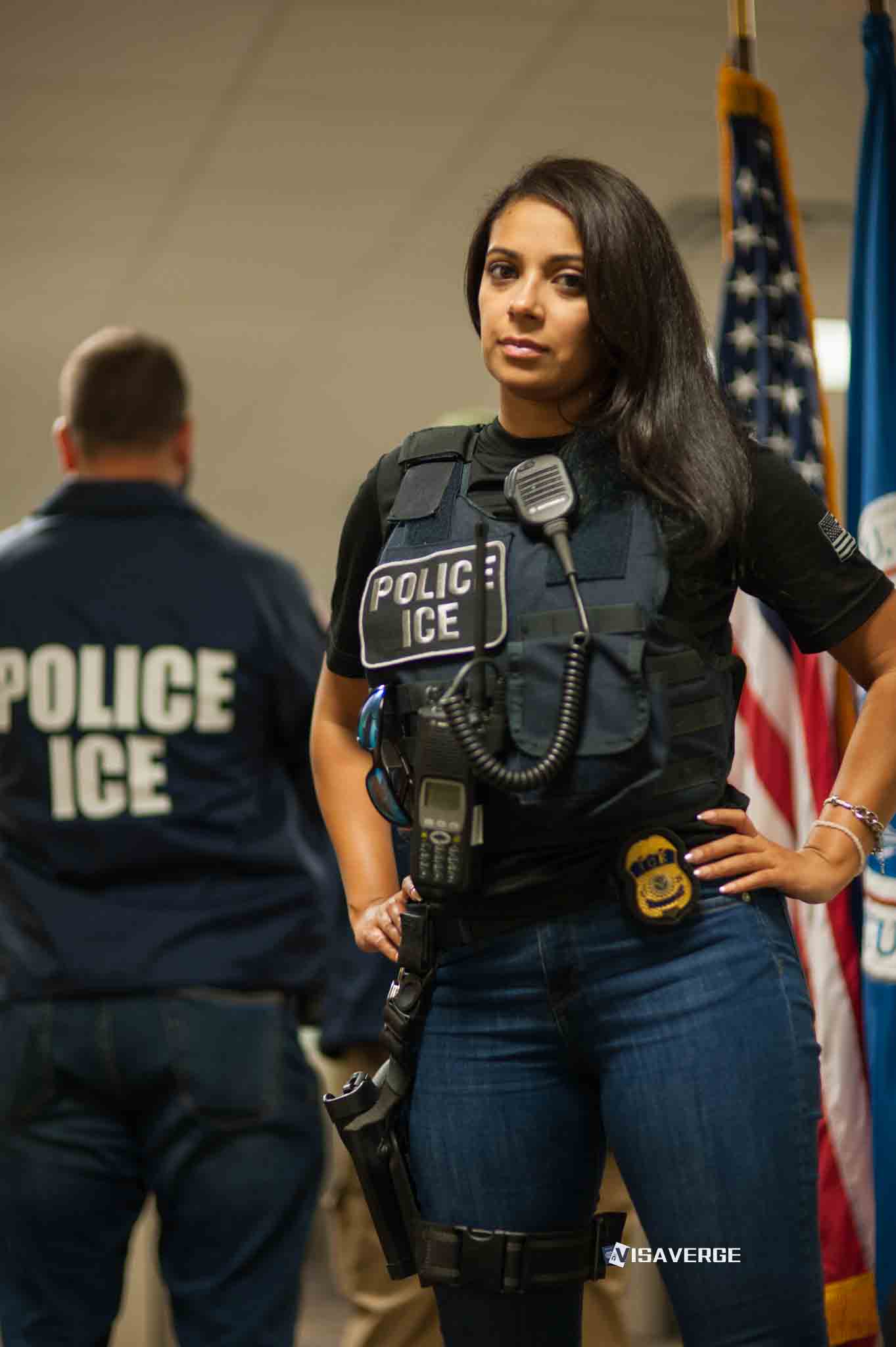
(SAN ANTONIO, TEXAS, USA) — san antonio city leaders announced on Monday that the San Antonio City Council will hold a special session to address growing community alarm over increased federal immigration enforcement and a larger ICE presence in the city.
District 1 Councilwoman Sukh Kaur said the January 22, 2026 at 1:00 p.m. meeting will focus on “community concerns around federal agents in the city” and explain the San Antonio Police Department’s limited role in immigration actions.
“We hope that we can all have a good conversation about what we’re required to do. making sure we’re still keeping all members of our community safe,” Kaur said in a statement dated January 12, 2026.
Context and federal activity
The move comes as federal officials defend a nationwide enforcement surge aimed at removing “high-threat” individuals, while San Antonio residents and immigration attorneys describe rising fear tied to routine appointments and court appearances.
San Antonio Mayor Gina Ortiz Jones, in a statement dated January 8, 2026, pressed the Department of homeland security for more information about federal activity in the city.
“While ICE continues to have a presence in San Antonio, I continue to ask the Department of Homeland Security for more information on their activities and call for transparency so that we are prioritizing the safety of our community,” Jones said.
The special session follows protests linked to the death of Renee Good, a 37-year-old U.S. citizen and legal observer who was fatally shot by an ICE agent in Minneapolis on January 7, 2026, prompting renewed scrutiny of federal immigration enforcement operations.
Federal officials’ statements
DHS Secretary Kristi Noem defended the actions of an ICE agent in Minneapolis and the broader enforcement surge in remarks dated January 7, 2026.
“It’s very clear that this individual was harassing and impeding law enforcement operations. Our officer followed his training, did exactly what he’s been taught to do. and took actions to defend himself,” Noem said.
Federal officials have framed the stepped-up activity as part of a broader effort to remove people DHS describes as dangerous, with messaging that emphasizes expanded staffing and increased threats against agents.
“In 2026, with a 120% increase in manpower, ICE is unleashed to arrest even more criminal illegal aliens and get them OUT of our country,” Assistant Secretary Tricia McLaughlin said in a statement dated January 7, 2026.
An ICE spokesperson, in remarks dated January 8, 2026, pointed to what the agency described as sharp increases in attacks and threats targeting federal personnel.
“Despite a more than 1,300% increase in assaults against our law enforcement and an 8,000% increase in death threats, our law enforcement continues to put their lives on the line to arrest the worst of the worst,” the spokesperson said.
Local response and concerns
In San Antonio, city leaders have scheduled the special session as questions mount about what local agencies do, and do not do, when federal agents undertake immigration enforcement in the city.
Kaur said the goal includes clarifying SAPD’s limited role in federal immigration activities, amid heightened concern over the visibility of federal agents.
Tensions have also been fueled by what city leaders described as high-profile raids in San Antonio, and by what DHS has presented as a significant expansion of immigration enforcement across the country.
Statistics, programs, and initiatives
One measure of that expansion is reflected in new federal court activity in Texas. Federal prosecutors for the Western District of Texas, which includes San Antonio, filed 735 new immigration cases between December 19, 2025 and January 8, 2026.
Separate from prosecutions, the federal government has expanded cooperation agreements that can involve local law enforcement agencies more directly in certain immigration enforcement functions.
As of December 30, 2025, there were 1,275 active 287(g) agreements nationwide, a 609% increase since January 2025.
In San Antonio, the Bexar County Precinct 3 Constable’s Office recently opted into the 287(g) program.
DHS has also launched a new initiative focused on reviewing refugee cases. Operation PARRIS, launched in early 2026, is aimed at re-examining thousands of refugee cases through new background checks and verification.
Immediate effects on families and court interactions
The increased enforcement posture has had immediate effects on families and on how immigrants approach routine interactions with federal authorities, according to accounts described by immigration attorneys and recent detentions.
On January 11, 2026, a mother and son from Natalia, Texas, were detained during a standard appointment in San Antonio despite having no criminal records, according to reports.
Immigration attorneys have also reported a sharp rise in requests for virtual hearings, describing a fear among migrants that they could be “trapped” at physical court appearances or check-ins.
The concern, attorneys said, is linked to a shift in enforcement priority and practice. ICE officials now state that “all aliens in violation of U.S. immigration law may be subject to arrest. regardless of nationality.”
Purpose of the special session
The special session is expected to serve as a public forum for residents to ask questions of city leadership about local coordination with federal immigration enforcement, as well as the city’s ability to obtain information from federal agencies about ongoing operations.
Jones’ call for transparency has been a focal point as local officials seek clarity on the scale and nature of federal activities taking place in San Antonio.
Noem and other DHS officials, meanwhile, have sought to justify the intensified posture by linking it to safety concerns and to what the agency describes as hostility toward its personnel.
The sharp divide between city officials’ demands for more information and federal officials’ defense of tactics has sharpened debates over federal immigration enforcement, including how enforcement actions affect local communities and how local police departments are perceived when residents see federal activity.
Kaur’s statement tied the special session to public safety and to establishing clearer expectations for residents about city responsibilities.
“We hope that we can all have a good conversation about what we’re required to do. making sure we’re still keeping all members of our community safe,” she said.
The timing of the meeting also places it in the aftermath of the Minneapolis shooting and the protests that followed, as attention to ICE operations has spread beyond any single city.
In San Antonio, the detention of the mother and son during a routine appointment has become part of the local discussion, alongside broader concerns about whether people will avoid in-person appointments and hearings.
Federal immigration enforcement decisions can also affect how immigrants engage with the legal process, including whether they appear for required check-ins and court dates, immigration attorneys said as they pointed to increased requests for virtual hearings.
Where residents can find information
For residents seeking information about federal and local activity, government agencies publish public updates and notices across several platforms, including the following sites and resources.
San Antonio will hold a special council session on January 22 to discuss the impact of increased federal immigration enforcement. Local officials seek to distinguish city police roles from ICE activities following reports of routine-appointment detentions and a nationwide enforcement surge. While DHS officials justify the aggressive posture citing increased threats to agents, San Antonio leadership is prioritizing transparency and public safety to alleviate community fear.