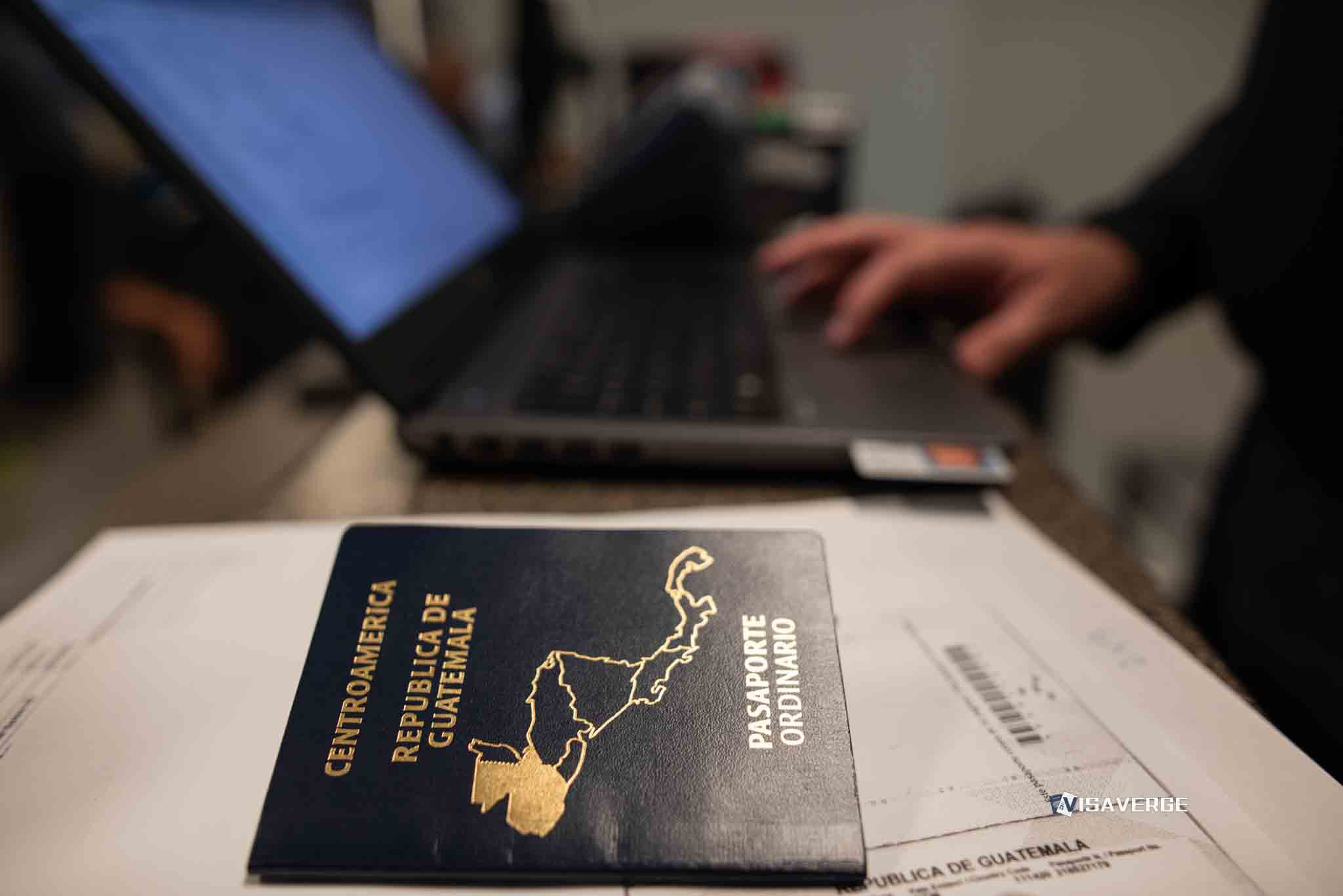
- Reports indicate systemic ICE issues but no confirmed case exists of a rookie’s paperwork error causing detention.
- An AI recruitment tool allowed recruits to bypass standard academy training for field assignments in 2026.
- The agency faces intense scrutiny over missing death-in-custody reports and controversial field enforcement actions.
No confirmed public case has surfaced matching the claim that a rookie ICE agent’s paperwork error left a man detained for days, even as a series of recent ICE controversies has sharpened attention on training, detention records and how enforcement actions are documented.
Available public information does not identify a specific detainee whose case fits that description. What has emerged instead is a wider picture of operational problems inside ICE that has raised concern about whether mistakes in stops, paperwork and custody decisions can occur without immediate public scrutiny.
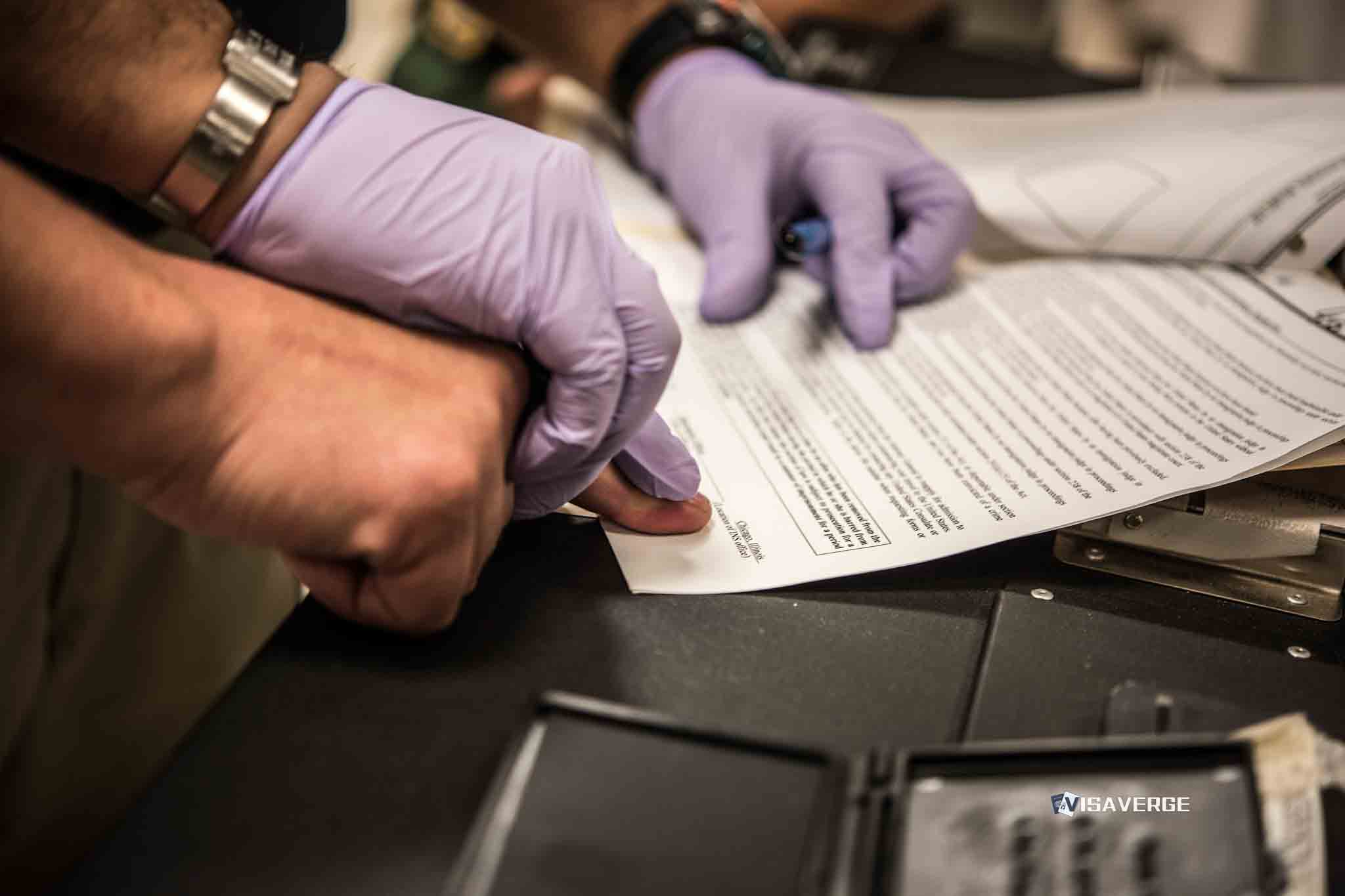
That distinction matters. The allegation of a paperwork error by a rookie ICE agent has drawn notice because it points to a type of failure that documented ICE disputes have put under a brighter light, but the public record still does not tie those broader problems to a confirmed case of one man detained for days.
Questions about field readiness intensified in January 2026, when reports revealed that an AI recruitment tool had misclassified some recruits who lacked prior law enforcement experience. Those recruits bypassed the standard eight-week ICE Academy training and went directly to field offices with minimal on-site preparation.
The skipped training covered subjects including the Fourth Amendment. It also covered enforcement-related topics that can shape how officers conduct stops, handle paperwork and make detention decisions.
| India | China | ROW | |
|---|---|---|---|
| EB-1 | Apr 01, 2023 ▲31d | Apr 01, 2023 ▲31d | Current |
| EB-2 | Jul 15, 2014 ▲303d | Sep 01, 2021 | Current |
| EB-3 | Nov 15, 2013 | Jun 15, 2021 ▲45d | Jun 01, 2024 ▲244d |
| F-1 | May 01, 2017 ▲174d | May 01, 2017 ▲174d | May 01, 2017 ▲174d |
| F-2A | Feb 01, 2024 | Feb 01, 2024 | Feb 01, 2024 |
Sending new officers into the field with limited preparation raised concern about legal compliance and judgment in daily operations. The available record, however, does not connect that training lapse to the specific unconfirmed account of a man being detained for days after a paperwork error.
That gap has left the allegation in a narrow category: plausible enough to attract public interest given recent ICE problems, but still unverified as a specific public case. The distinction between a broader pattern and a confirmed individual incident remains central.
ICE’s training questions did not arise in isolation. They unfolded as the agency was already facing criticism over detention oversight, including failures to provide congressionally mandated 90-day reports on deaths in custody.
Since February 2025, ICE failed to disclose those reports on at least eight immigrant deaths in custody. Seven of those deaths occurred since October 2025 across six states, with one prior case in Puerto Rico.
Those omissions deepened concern in Congress and among advocates about transparency inside the agency. When required reports do not appear, outside review becomes harder, and questions about internal controls become more pressing.
The death reporting issue also carried legal and political weight because Congress required those notices. Missing or incomplete disclosures can fuel doubts about whether the agency is fully documenting what happens after people enter custody.
Placed alongside concerns about abbreviated training, the reporting failures added to a broader worry: if oversight breaks down in one part of the system, errors in other parts may go undetected longer. That does not prove the alleged detainee story, but it helps explain why claims involving paperwork and detention have gained traction.
The same period brought another flashpoint. On January 14, 2026, ICE agents in north Minneapolis shot and killed a U.S. citizen who was legally observing operations.
That case drew further attention after federal statements about the incident were challenged. The dispute added to concern not only about what happened in the field, but also about the accuracy of official explanations after the fact.
For critics of ICE practices, the Minneapolis shooting and the disputed statements that followed became part of a larger pattern of questions about communications, records and accountability. For the agency, it added another moment in which public confidence turned on whether official descriptions matched events on the ground.
Paperwork procedures also came under new examination through Congress. On January 21, 2026, Senator Richard Blumenthal sent a letter to DHS Secretary Kristi Noem that referenced Acting ICE Director Todd Lyons’ May 12, 2025, memo on Form I-205 Warrant of Removal use.
That letter focused attention on how warrants are handled and how enforcement actions are documented. It also pointed to concern that procedural lapses in paperwork can carry serious consequences when officers act on removal authority.
The Form I-205 issue matters because paperwork in immigration enforcement is not a secondary detail. Warrants, custody records and removal documents can determine whether an arrest is properly authorized, whether detention is supported by the file, and whether later review can reconstruct what happened.
Set against the January training revelations, Blumenthal’s letter brought the discussion back to a basic question: how much room for error exists when new officers enter the field without the full course of instruction, while lawmakers are already raising alarms about documentation procedures.
That still does not produce a confirmed public match for the allegation at the center of the current attention. No public case identified in the available record shows that a rookie ICE agent made a paperwork error that caused a man to be detained for days.
What the record does show is a cluster of systemic concerns. One involved recruitment and training. Another involved missing death-in-custody reporting. A third involved disputed federal statements after a fatal shooting. A fourth involved congressional concern over warrant procedures and Form I-205 use.
Taken together, those episodes have intensified scrutiny of how ICE manages frontline enforcement and detention under the Trump administration’s expanded detention approach. They also help explain why an alleged paperwork error would resonate beyond a single case, even without confirmation of the case itself.
In practice, a detention story tied to a paperwork problem would likely turn on records. Case files, warrants, booking records, detention logs and removal documents would be central to establishing whether an officer made an error, when the error occurred and how long any detainee remained in custody.
Official case systems would matter as well. EOIR and USCIS channels, along with other government case-tracking systems, are the places where a verifiable paper trail would most likely emerge if more facts surface.
That is one reason the absence of a confirmed public case remains notable. Immigration detention cases often leave documentary traces, especially when they produce court filings, warrant disputes or challenges to custody. No such public match has surfaced here.
The allegation nevertheless lands in an environment where documented weaknesses have already raised questions about the reliability of agency procedures. If some recruits skipped the standard eight-week ICE Academy training, the risk of mistakes in field judgment and paperwork naturally becomes a subject of concern.
If the agency also failed to provide congressionally mandated 90-day death reports in at least eight cases since February 2025, confidence in internal reporting weakens further. And if official statements after a fatal shooting are challenged, the pressure for outside verification grows.
That broader backdrop does not confirm the specific claim. It does, however, frame why a story about a rookie ICE agent, a paperwork error and a man detained for days would command attention from lawyers, lawmakers and families watching immigration enforcement closely.