(GULF) — US and Israeli forces struck Iran on February 28, 2026, setting off a chain of airspace closures across the Gulf that forced airlines to cancel and delay hundreds of flights within hours.
Early disruption data showed at least 346 cancellations and 525 delays as carriers and air traffic controllers moved quickly to clear some of the world’s busiest air corridors, a routing spine for Europe–Asia and Europe–Africa travel and for long-haul connections through Gulf hub airports.
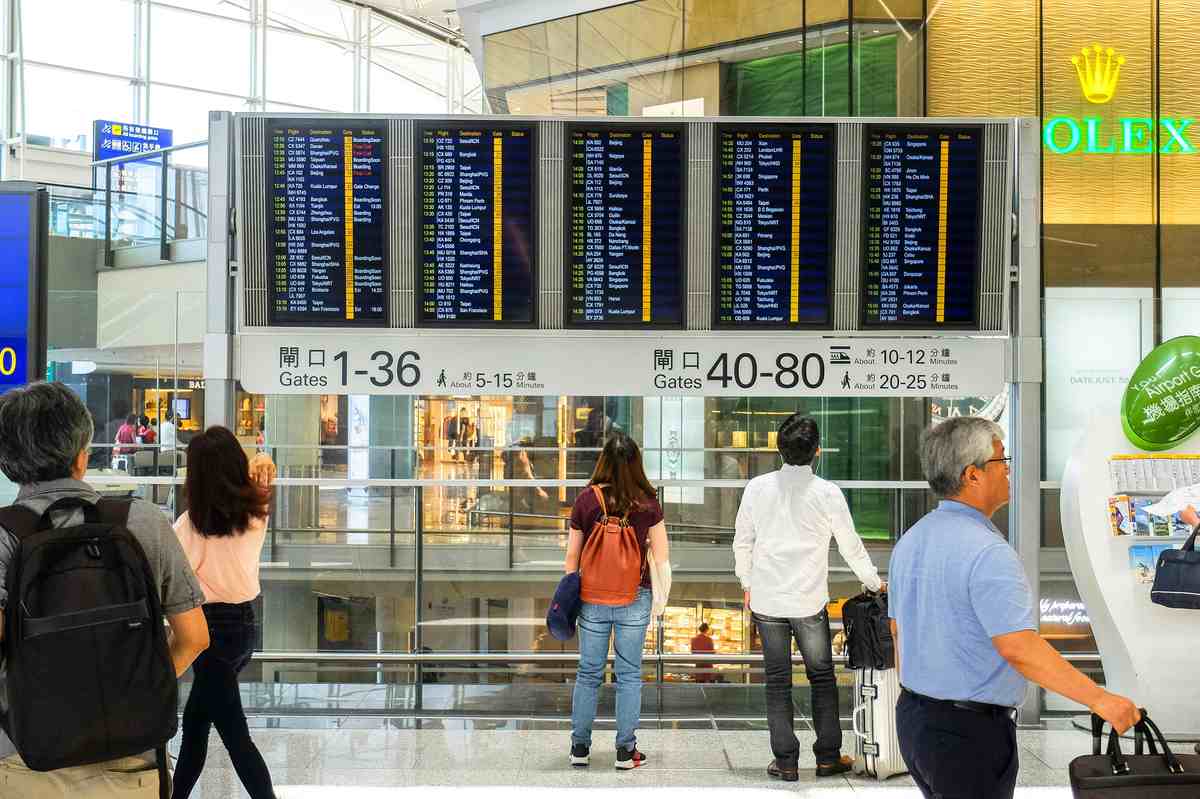
Authorities imposed immediate restrictions that affected aircraft crossing or bound for Iran, Iraq, Kuwait, Bahrain, Qatar, Syria, Israel, and the UAE, squeezing traffic into fewer lanes and pushing many flights onto longer detours.
Israel described its operation as Roaring Lion, while the US Department of Defense used the name Operation Epic Fury, according to the information provided on the strikes and the aviation disruption that followed.
The reported targets spanned Tehran, Isfahan, Qom, Karaj, and Kermanshah, and included nuclear facilities, ballistic missile infrastructure, radar installations, leadership compounds, and military command structures.
Strikes that hit radar and air-defense infrastructure can widen uncertainty for civilian aviation beyond the immediate target area, because airlines and dispatchers must account for gaps in surveillance, shifting air-defense postures, and rapidly changing access to safe alternates.
The effect appeared quickly in the skies. Flightradar24 video showed civilian aircraft rapidly clearing the region as authorities closed some of the world’s busiest airspace.
With multiple Middle East airspaces restricted or closed, flights that would normally cross the Gulf and nearby corridors began diverting around closed areas, compounding delays far from the immediate conflict zone.
Those detours create knock-on effects that airlines must manage in real time: longer flight times, fuel planning constraints, crew duty-time limits, missed connections, and aircraft and crew ending up out of position for later legs.
Traffic that normally flows through several parallel corridors can also compress into fewer routes, increasing congestion and placing more pressure on air traffic control as planes shift to alternative paths depending on which airspaces remain available.
Major carriers moved fast to suspend service, deepening the hit to schedules and to hub connectivity.
Emirates halted all flights to and from Dubai, a step that can ripple across global networks because Dubai acts as a high-volume connection point for long-haul itineraries. Cirium data put the scale at about 500 daily flights.
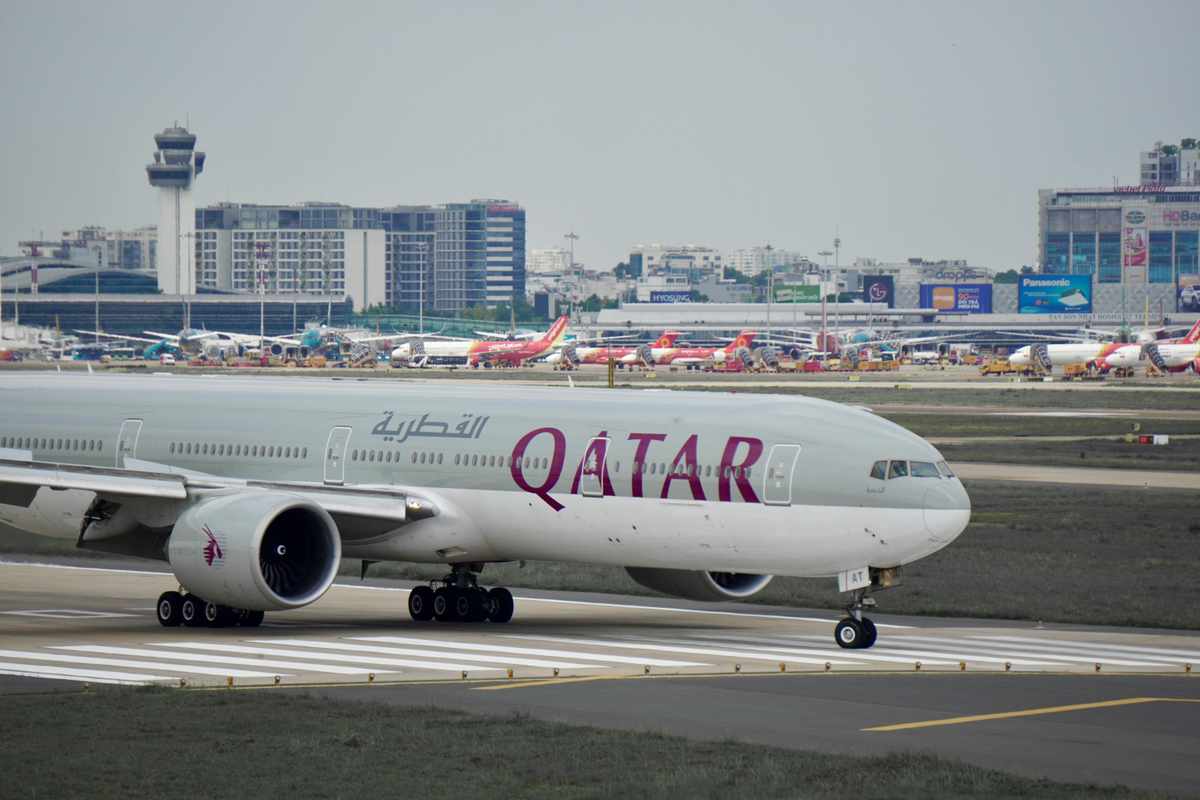
Qatar Airways suspended flights through its Doha hub and said it anticipated schedule delays, disrupting one of the world’s busiest long-haul connecting complexes.
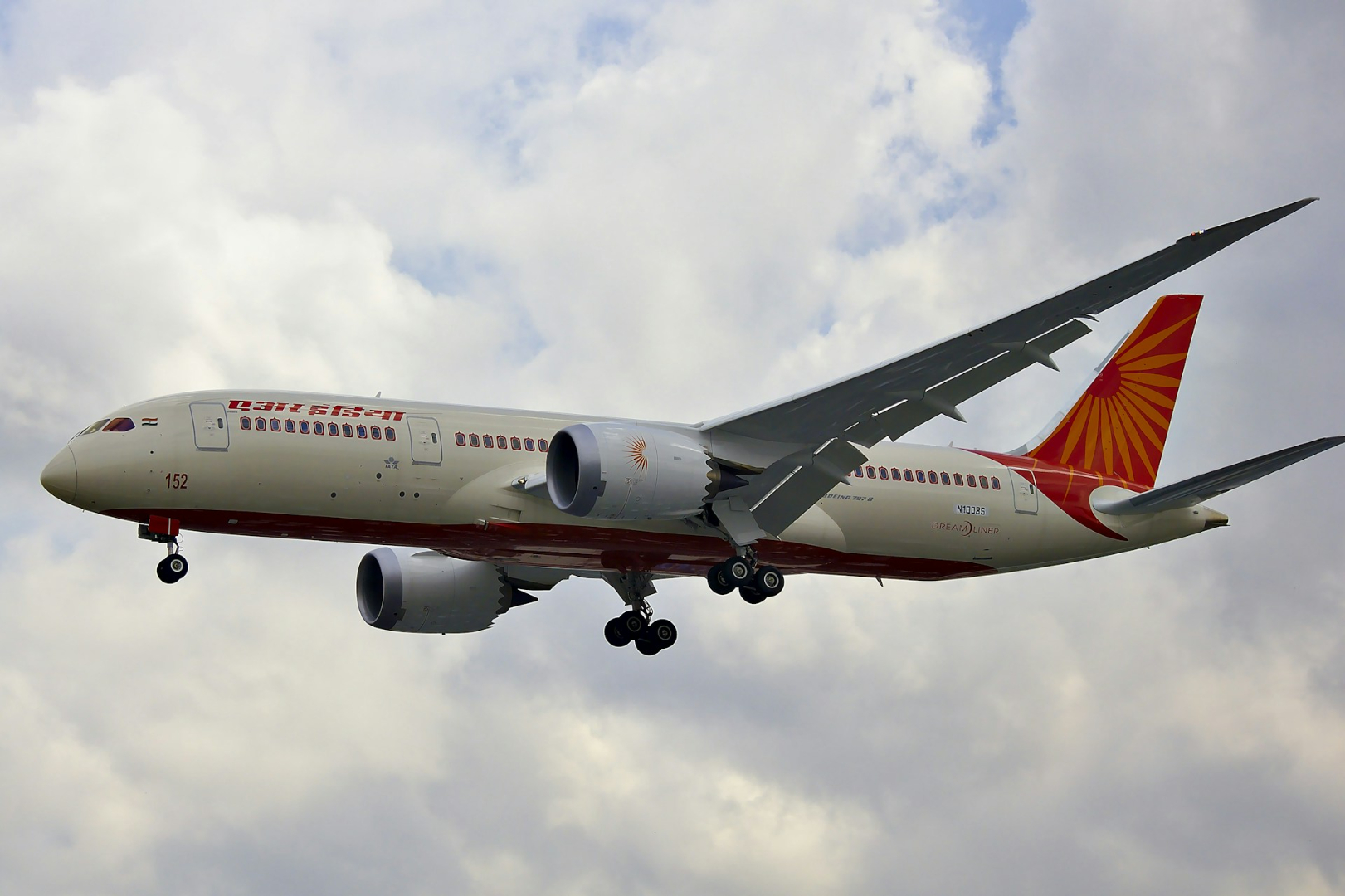
Air India stopped all Middle East flights, and Saudia canceled an unspecified number, adding to the sharp cutback in capacity across the region.
IndiGo and Biman Bangladesh Airlines suspended Middle East services indefinitely, while Lufthansa, Wizz Air, and Virgin Atlantic halted until March 7, extending the disruption for travelers trying to rebook around the closures.
Carriers typically take such steps when risk and uncertainty rise quickly, because they must weigh airspace hazards, insurance and liability considerations, crew safety, aircraft positioning, and the integrity of the wider schedule that depends on aircraft arriving at the right place and time.
The fast-moving restrictions also created operational dilemmas for flights already in the air, with crews needing confidence in destination airspace access and in the availability of alternates before proceeding.
American Airlines saw one of its long-haul services reverse course after crossing the Atlantic. A Philadelphia–Doha flight turned back over Ireland after 6+ hours, with a total duration of around 13 hours.
Air Canada’s Toronto–Dubai flight also made a dramatic change, U-turning over the Mediterranean for a journey of around 10 hours.
Such turn-backs can reflect a mix of constraints that emerge as conditions change: uncertainty about whether destination airspace will remain open, whether suitable alternates can accept arrivals, whether crews can remain within legal duty limits, and whether airports can sustain normal operations when traffic flows swing abruptly.
Iran retaliated by launching dozens of ballistic missiles at Israel and US bases in Jordan, Syria, Bahrain, Kuwait, Qatar, and the UAE, escalating security concerns that airlines and regulators factor into decisions about whether to fly.
Bahrain air raid sirens sounded, and reported explosions targeted the US Fifth Fleet headquarters, adding to the sense of urgency as airlines scrambled to keep aircraft and passengers away from affected airspace.
Gulf states including Bahrain, Kuwait, Jordan, Qatar, and the UAE confirmed targeting, and the information provided on the attacks said at least one civilian was killed in Abu Dhabi.
President Donald Trump announced the strikes via a Truth Social video, and he framed the objective in sweeping terms as he vowed to destroy Iran’s missile program, navy, and nuclear capabilities while urging regime change.
“The country will be yours to take. This will be probably your only chance for generations,” Trump said in the message described in the provided account.
Iranian Foreign Minister Abbas Araghchi called it a “war of choice” by the US.
The strikes and retaliation landed on a region where aviation and security concerns are tightly linked, because Gulf air routes sit near military assets and contested areas, and because any sudden airspace shutdown can trap aircraft in holding patterns, drive diversions, and strand passengers across hubs.
Experts cited in the provided information noted risks of escalation, with air traffic halted and Strait of Hormuz shipping slowing, even as Gulf states provide indirect US support but avoid direct involvement.
The same account pointed to a pre-existing military posture in the region, including a US armada deployment that referenced USS Abraham Lincoln and USS Gerald R. Ford.
It also said the earlier tensions involved demands to end uranium enrichment, missile programs, and proxy support, conditions that formed part of the wider backdrop before February 28’s strikes reverberated into civil aviation.
Airlines deciding when to restore service typically watch for operational signals rather than political statements, focusing on airspace advisories, NOTAMs, insurer guidance, airport readiness, crew routing feasibility, and whether partner interline options can absorb passengers whose itineraries have broken apart.
Even after routes reopen on paper, carriers may need time to reposition aircraft and crews and to rebuild a timetable that can withstand further sudden restrictions, particularly when major hubs such as Dubai and Doha have absorbed the initial shock.
For passengers, the immediate outcome has been a wave of cancellations, lengthening delays, and long detours that can turn routine connections into overnight disruptions as airlines try to find seats on the limited set of services still able to operate safely around the closures.
In the air, the rapid clearing captured in Flightradar24 video underscored how quickly conditions changed on February 28, as flights peeled away from a corridor that, on a normal day, supports dense streams of traffic linking three continents.
Roaring Lion and Operation Epic Fury Put US Fifth Fleet on High Alert
Military strikes by the US and Israel against Iran have paralyzed Middle Eastern aviation. The closure of key airspaces forced hundreds of cancellations and delays, disrupting major global travel routes between Europe, Asia, and Africa. Airlines are managing complex detours and groundings while Iran retaliates with missile strikes on regional bases. The situation remains volatile as carriers prioritize safety over schedule integrity.