- U.S. Olympian Rich Ruohonen condemned ICE operations in Minnesota as unconstitutional during a press conference in Italy.
- Operation Metro Surge faces lawsuits from local officials and the ACLU alleging racial profiling and illegal seizures.
- A federal judge noted profound community impacts from the surge, including school disruptions and emergency response delays.
Rich Ruohonen, a Minnesota curler competing for Team USA at the 2026 Winter Olympics in Italy, criticized ICE actions tied to Operation Metro Surge back home and called them unconstitutional.
Ruohonen, a 54-year-old personal injury lawyer and the oldest American to compete at the Winter Olympics, made the remarks during a press conference while describing what he said were civil liberties violations in Minnesota.
During the appearance, Ruohonen said he felt pride representing the United States but turned to “what’s going on in Minnesota,” saying, “there’s no shades of gray,” and adding, “This stuff is happening right around where we live, and I am a lawyer, as you know, and we do the cost we we have a constitution, and it allows us to freedom of the press and freedom of speech protects us from unreasonable searches and seizures and makes it that we have to, you know, have probable cause to be pulled over, and what’s happening in Minnesota is wrong.”
His comments drew attention because they came from a high-profile athlete speaking from an Olympic stage while federal immigration enforcement activity in Minnesota has prompted community complaints, protests and court fights.
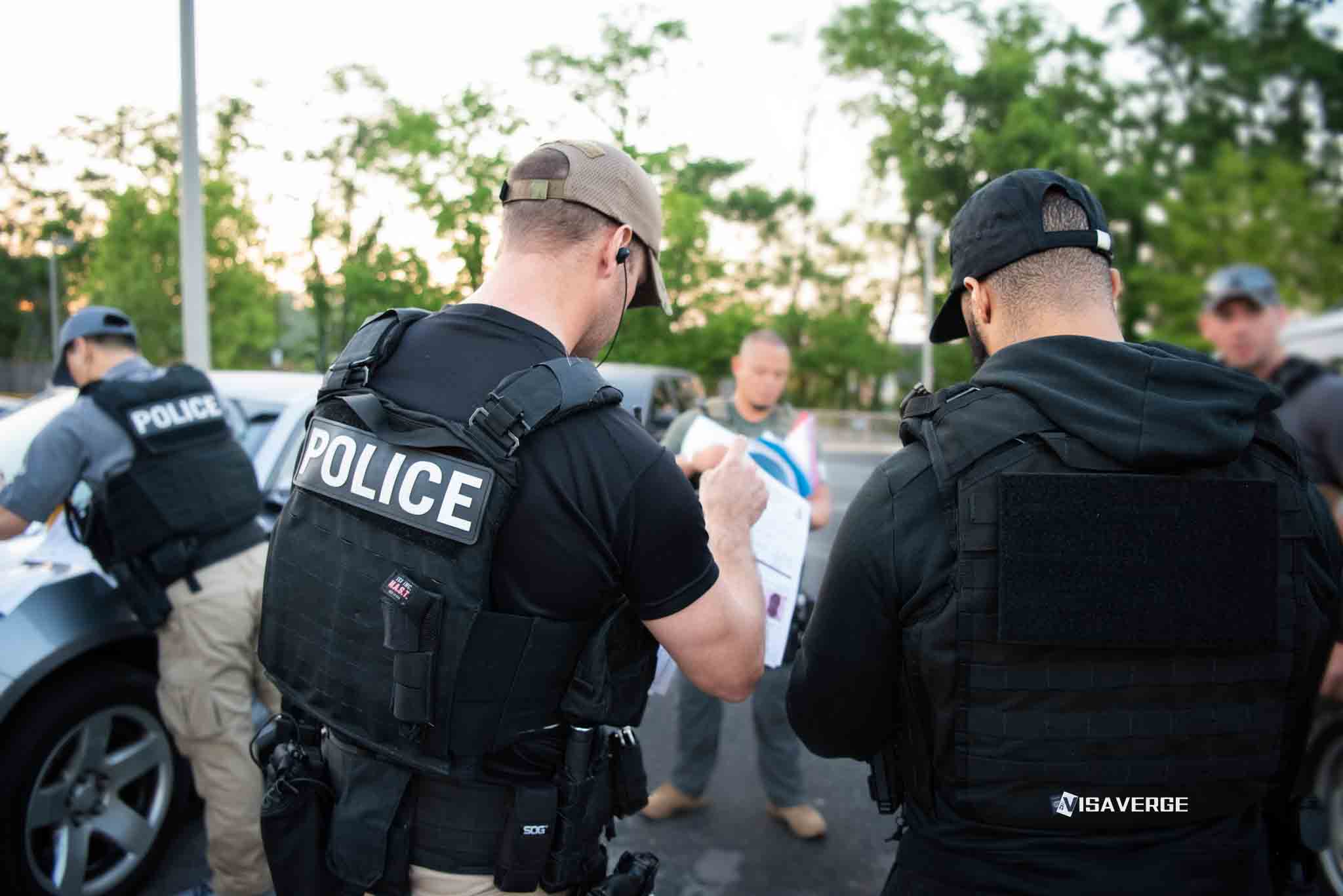
Operation Metro Surge is a federal enforcement surge in the Twin Cities area that involves ICE and U.S. Customs and Border Protection personnel.
The White House has reported that the operation led to thousands of arrests. Officials have described the effort as an intensified deployment of federal agents focused on the Twin Cities area.
The operation’s scope and tactics, along with the administration’s messaging about results, have sharpened a debate that stretches beyond Minnesota into national arguments over immigration enforcement and constitutional limits.
Residents and advocates have accused federal agents involved in the surge of racial profiling that targets Somali and Latino communities, along with using excessive force.
The allegations also include warrantless arrests and stops that lacked individualized suspicion, with residents describing encounters they say violated basic constitutional protections against unreasonable searches and seizures.
The public debate has also centered on reported shootings tied to enforcement activity, including the deaths of Minneapolis residents Renee Good, also called Renee Nicole Good, and Alex Pretti, along with another resident who was shot in the leg.
Supporters of the operation have pointed to the White House’s public accounting of arrests, while critics have argued that the tactics sweep too broadly and chill daily life in immigrant neighborhoods.
Those neighborhood effects, cited by plaintiffs and local officials, have ranged from fear about leaving home to disruptions that ripple into schools, businesses and emergency response, with residents and advocates describing a climate of uncertainty.
Minnesota’s legal challenge escalated in January, when Minnesota Attorney General Keith Ellison, along with Minneapolis and Saint Paul, filed a federal lawsuit attacking the surge as unconstitutional and unlawful.
Ellison and the two cities alleged violations of the First and Tenth Amendments, the Equal Sovereignty Principle and the Administrative Procedure Act, and argued the operation amounted to political retribution against sanctuary policies.
U.S. District Judge Katherine Menendez denied a preliminary injunction on January 31, 2026, in that case, but wrote that plaintiffs made a “strong showing” of “profound and even heartbreaking” impacts.
Menendez pointed to asserted consequences that included school closures, delayed emergency responses, police overtime costs, business hardships and plummeting student attendance.
A separate case from the American Civil Liberties Union also challenged the surge, with the ACLU filing a class-action lawsuit brought by three named plaintiffs, including Hussen, alleging racial profiling and unlawful seizures.
Catherine Ahlin-Halverson, an attorney with the ACLU of Minnesota, called the conduct described in the case “illegal and morally reprehensible.”
Kate Huddleston, an attorney with the ACLU Immigrants’ Rights Project, criticized what she called “police-state tactics.”
Cities and states outside Minnesota also weighed in through friend-of-the-court filings, including an amicus brief by dozens of mayors filed January 23, 2026, in State of Minnesota v. Noem.
Melrose, MA Mayor Jen Grigoraitis was among the mayors cited in the brief, which labeled the deployment a “quasi-military occupation” intended to punish non-cooperation.
The federalism arguments animating the litigation have also drawn on Supreme Court precedents that limit the federal government’s ability to force state and local governments to carry out federal policy.
Legal analyses cited in the dispute referenced Printz v. United States (1997) and NFIB v. Sebelius (2012), framing the operation as coercing states in ways that violate anti-commandeering principles.
Outside courtrooms, the operation has prompted demonstrations and reports of fear in immigrant neighborhoods, with critics arguing the tactics have intensified tensions between local communities and federal authorities.
The controversy has also spilled into cultural flashpoints, including an incident at the Saint Paul Winter Carnival involving a snow sculpture that was disqualified after featuring “Ice Out MN” with a whistle.
The sculptor addressed the episode on BlueSky, writing, “I have regrets and have never prouder to be Minnesotan. I will support my immigrant neighbors and oppose abhorrent intimidation tactics.”
Ruohonen’s press conference comments from Italy added another layer to the political and legal battle in Minnesota, connecting Olympic visibility to a dispute over constitutional rights, federal power and the reach of ICE in local communities.