(AUSTRALIA) A shooting in Australia has spilled into US immigration politics, after some Republican officials and allied commentators urged that Muslim Americans be deported, framing the Australia Shooting as proof that Islam is a security threat. The comments, shared widely online, drew swift pushback from civil rights lawyers and Muslim community leaders who said the rhetoric wrongly treats an entire faith as suspect and blurs the line between citizenship and immigration status. The source material provided does not name the politicians or give dates or verbatim quotes, but the claim has renewed attention on a basic legal fact: in the United States 🇺🇸, the government cannot deport a US citizen, and it cannot remove a person only because of religion, even when anger runs high.
Legal meaning of “deportation” and who it applies to
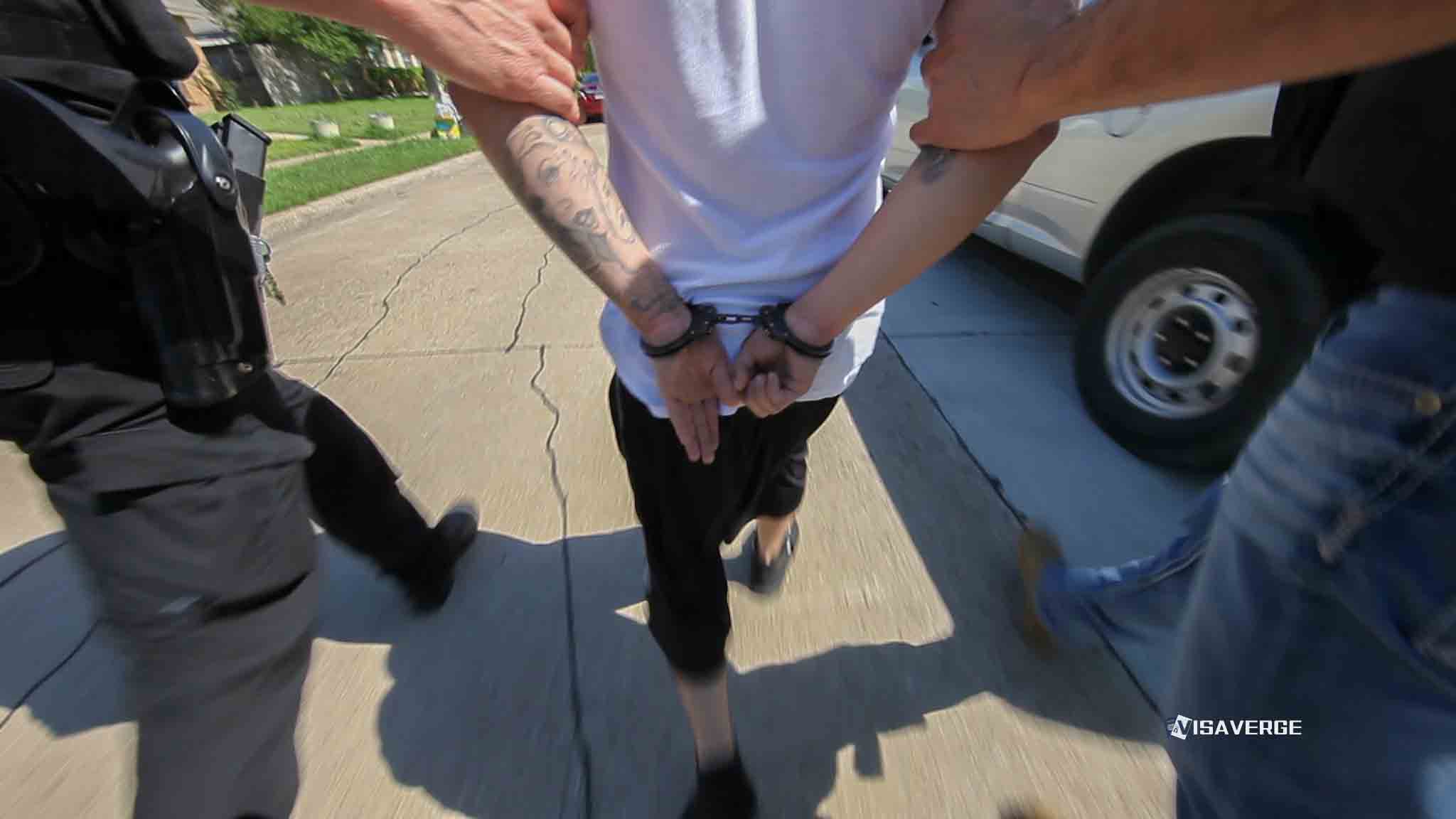
Immigration attorneys noted that “deported” is often used as a catch‑all insult, but in law it specifically refers to the removal of a noncitizen after a formal process. Key points:
- Lawful permanent residents, refugees, students, and visitors can face removal if they break certain rules, but they have legal protections such as notice, a hearing, and usually a chance to hire counsel.
- US citizens cannot be deported, though they can be prosecuted for crimes.
- Calls to deport Muslim Americans as a blanket group collide with the First Amendment’s protection of religion and federal bans on discrimination.
- In practice, the government must prove a ground of removability, and courts can block actions that target faith.
Why overseas violence matters in domestic politics
What happened in Australia, and what investigators say about the shooter’s motive, matters because politicians often point to overseas violence to argue for tougher measures at home. The source material does not include the Australia fact pattern or quotes from Australian officials.
Still, Muslim Americans report real-world consequences when distant events are turned into talking points:
- Children get taunted at school.
- Women in headscarves are stared at on public transit.
- Families worry that routine travel could trigger harsh airport screening.
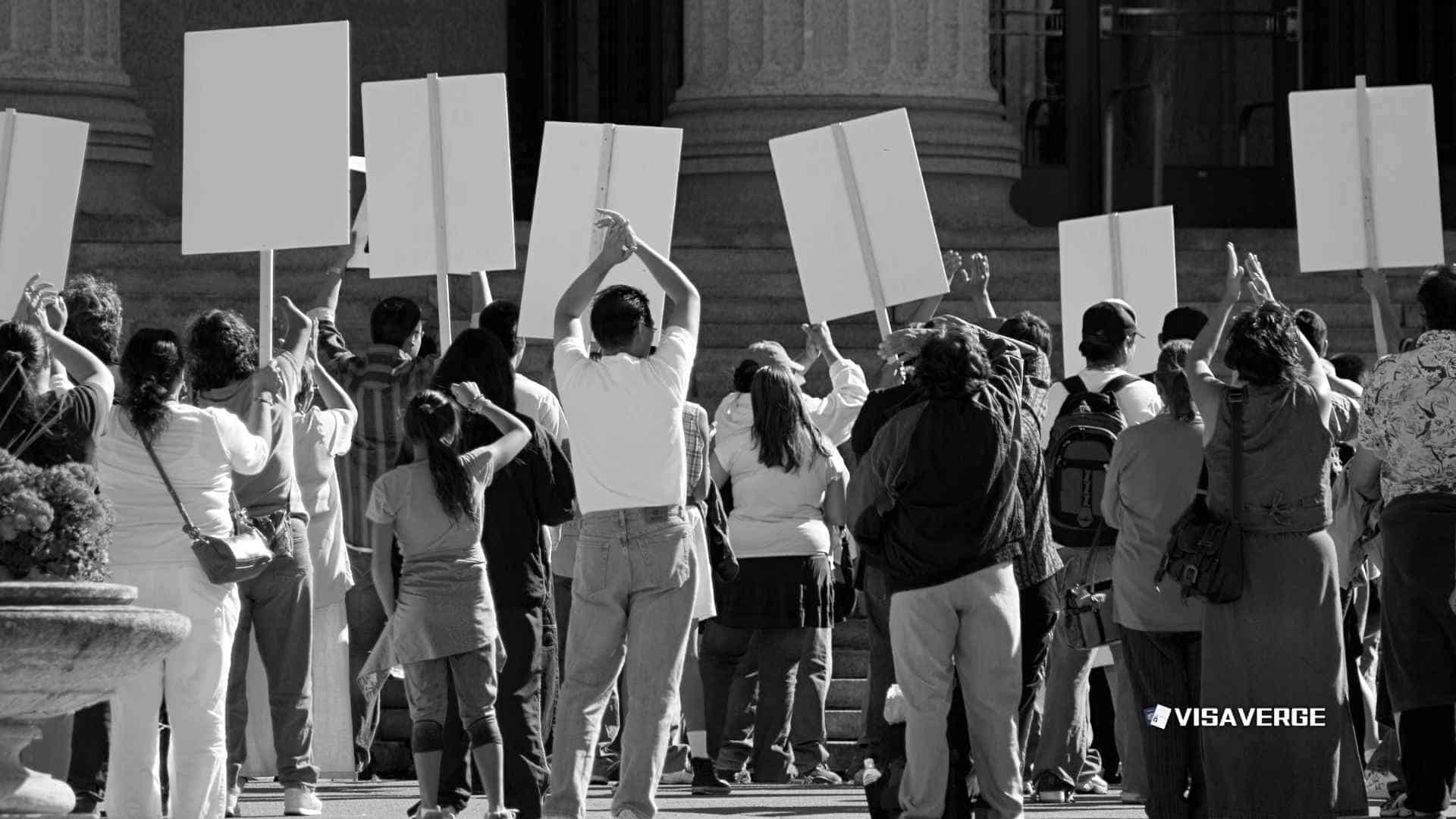
Community advocates say online calls to deport people without any link to wrongdoing feed fear and can invite copycat harassment. One imam said the debate:
“turns our neighbors into suspects overnight” again.
Distinguishing citizens from noncitizens — practical implications
Federal records distinguish between citizens and noncitizens, though that line can blur in heated debate.
- A person born in the United States 🇺🇸 is generally a citizen.
- Many people who naturalized after holding a green card for years are also citizens.
- Noncitizens can be placed in removal proceedings, which:
- Are handled in immigration court, not criminal court.
- Can result in separation from children and loss of work.
The Department of Homeland Security describes the removal system and agency roles through Immigration and Customs Enforcement’s Enforcement and Removal Operations at https://www.ice.gov/ero.
Practical advice from lawyers: keep copies of status papers and ask for counsel before signing any document while in custody.
Background: travel bans, public debate, and chilling effects
The deportation calls come amid ongoing debate over President Trump’s travel bans, which restricted entry for nationals of several Muslim‑majority countries and triggered years of court fights. President Biden later revoked those bans, but the political language they produced remains influential.
- Analysis by VisaVerge.com finds that spikes in heated talk about “removals” lead readers to ask whether a green card holder can lose status for speech, worship, or family ties.
- Immigration law generally focuses on conduct and convictions, not faith.
- Nevertheless, broad claims can chill daily life: mosque attendance may fall and victims may avoid reporting hate crimes.
Advocates warn: when officials threaten deportation, victims may stay silent, and attackers may feel protected.
Denaturalization: narrow and specific, not a tool for punishing religion
Some social posts suggested naturalized citizens could be stripped of citizenship and then deported (denaturalization). Important clarifications:
- Denaturalization exists, but it is narrow and usually tied to fraud in the citizenship application (for example, hiding a serious crime or lying about identity).
- It is not a lawful tool for punishing religion, attorneys say.
The source material does not list any pending bills or executive orders tied to the Australia Shooting, nor is there indication here that federal agencies have changed enforcement policy.
Community response and everyday fears
Muslim civic groups report bracing for:
- Increased traffic‑stop anxiety.
- More calls from families asking whether a US passport is “enough” protection.
A legal aid worker noted that fear can keep people from voting.
Civil rights advocates urged Republican leaders to correct the record, warning that loose talk about deporting citizens can inflame threats and undermine trust in law enforcement. They pointed to past cases where witnesses avoided police after hearing immigration warnings, leaving violent crimes unsolved.
Some conservative voices, the source material says, have argued public safety requires focusing on individuals, not broad groups, though that material does not detail those responses.
Personal impact: a college student in Michigan said she called her parents after seeing the posts because she worried her hijab would draw attention: “I felt like a target again.” Her father told her, wait.
What immigration lawyers advise
Immigration lawyers advising worried callers emphasized:
- Status, not religion, controls who can be removed.
- Seek help from qualified counsel rather than rely on online rumors.
- If you are a permanent resident who is arrested:
- Ask for an attorney.
- Avoid signing documents you do not read — some can waive a court hearing.
- If you are a citizen:
- Carry proof of citizenship while traveling to reduce delays if your name matches a watch list (though no document guarantees polite treatment).
Final note on consequences and rights
In Australia, officials continue to handle the shooting itself. In the United States 🇺🇸, the political aftershocks show how quickly foreign violence can be turned into a demand that neighbors be deported.
Muslim families said they want safety and rights. Civil rights lawyers and community leaders warn that treating an entire faith as suspect undermines the rule of law and the constitutional protections meant to prevent such collective punishment.
After an Australian shooting, some U.S. conservatives called for deporting Muslim Americans. Lawyers and community leaders rejected collective punishment, emphasizing that U.S. citizens cannot be deported and that removal applies only to noncitizens after due process. Advocates report increased harassment and urge affected people to keep status documents and seek counsel. Denaturalization is rare and tied to fraud, not religion. Civil rights groups demand corrections to rhetoric to protect constitutional guarantees and public safety.