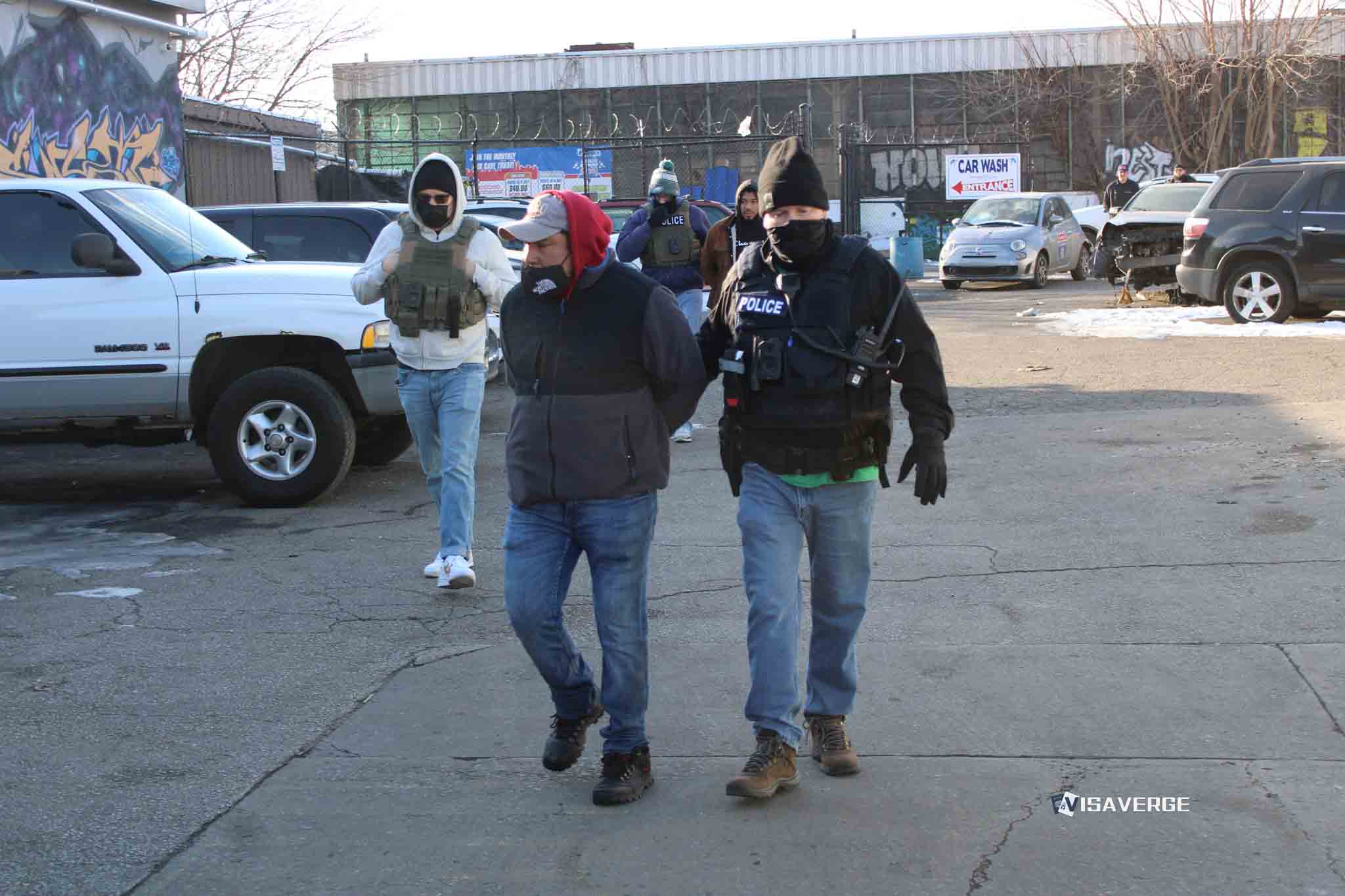
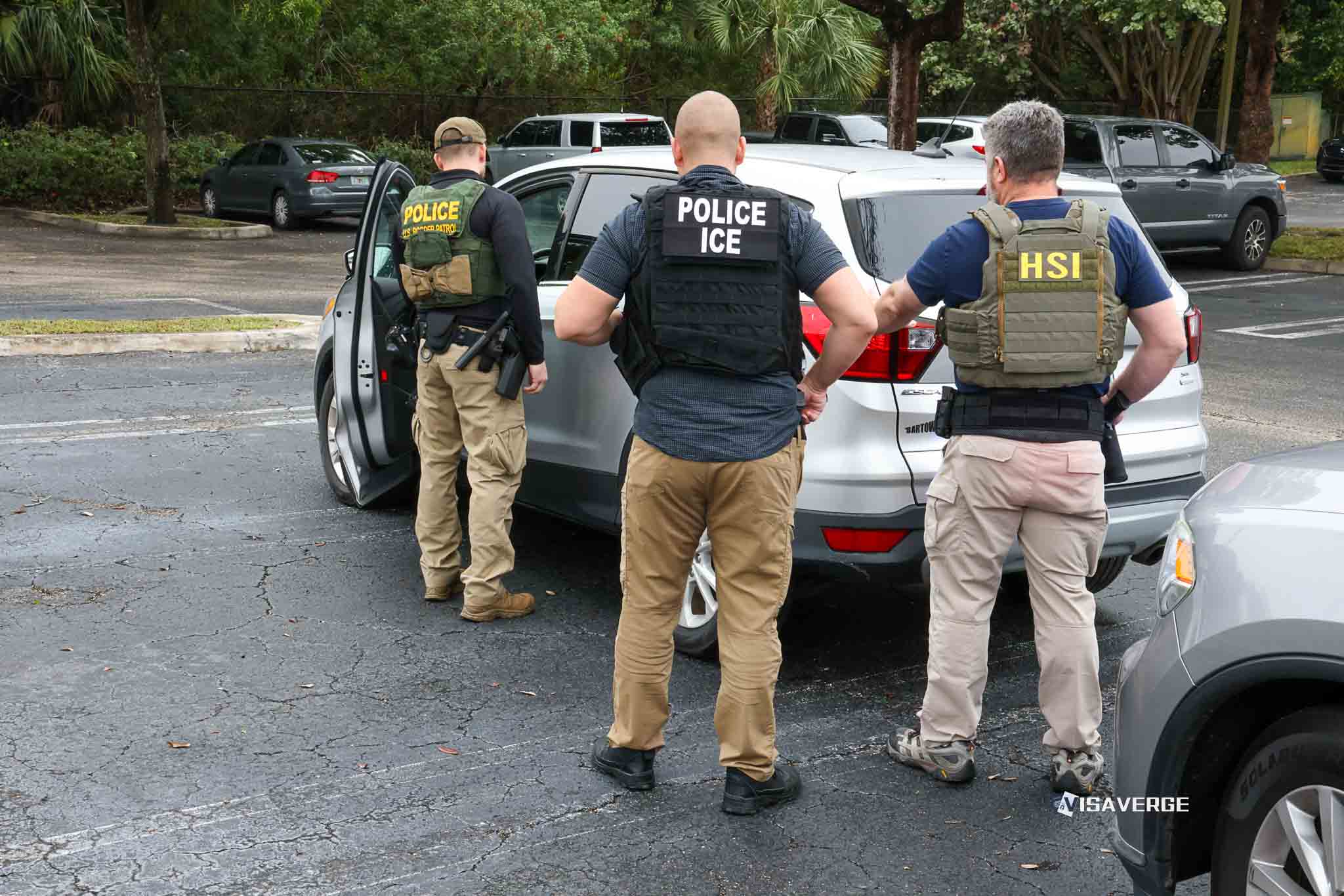
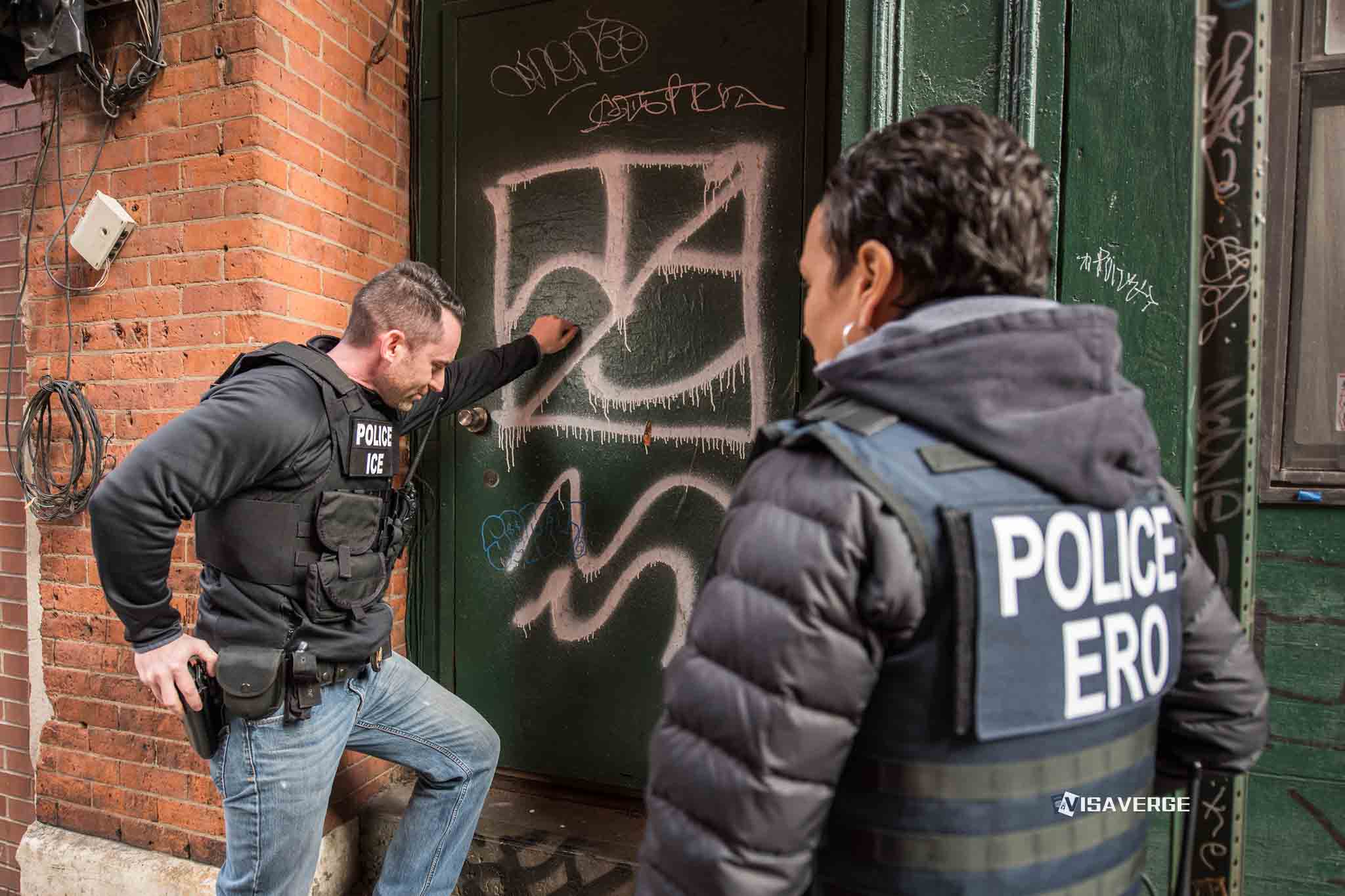
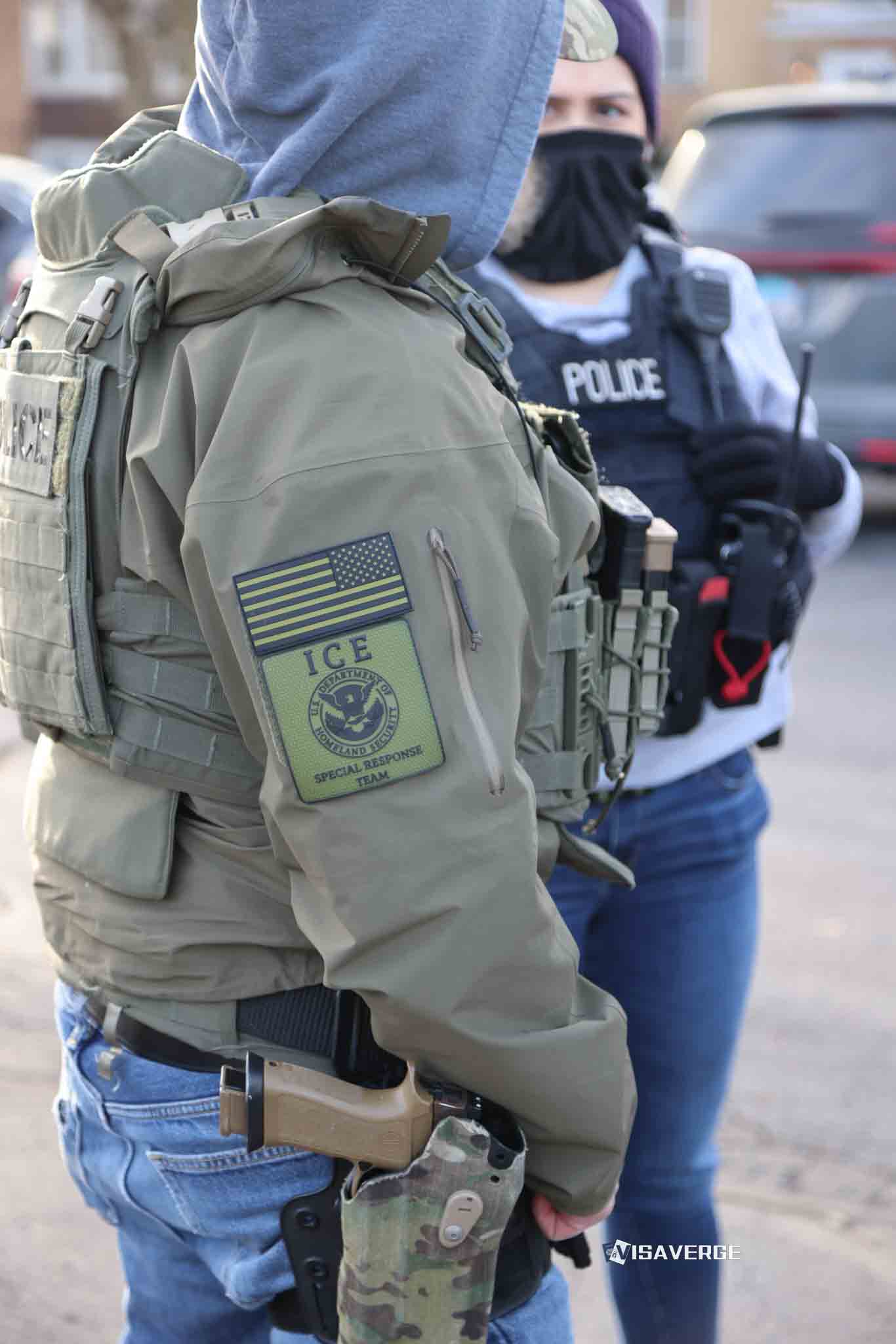
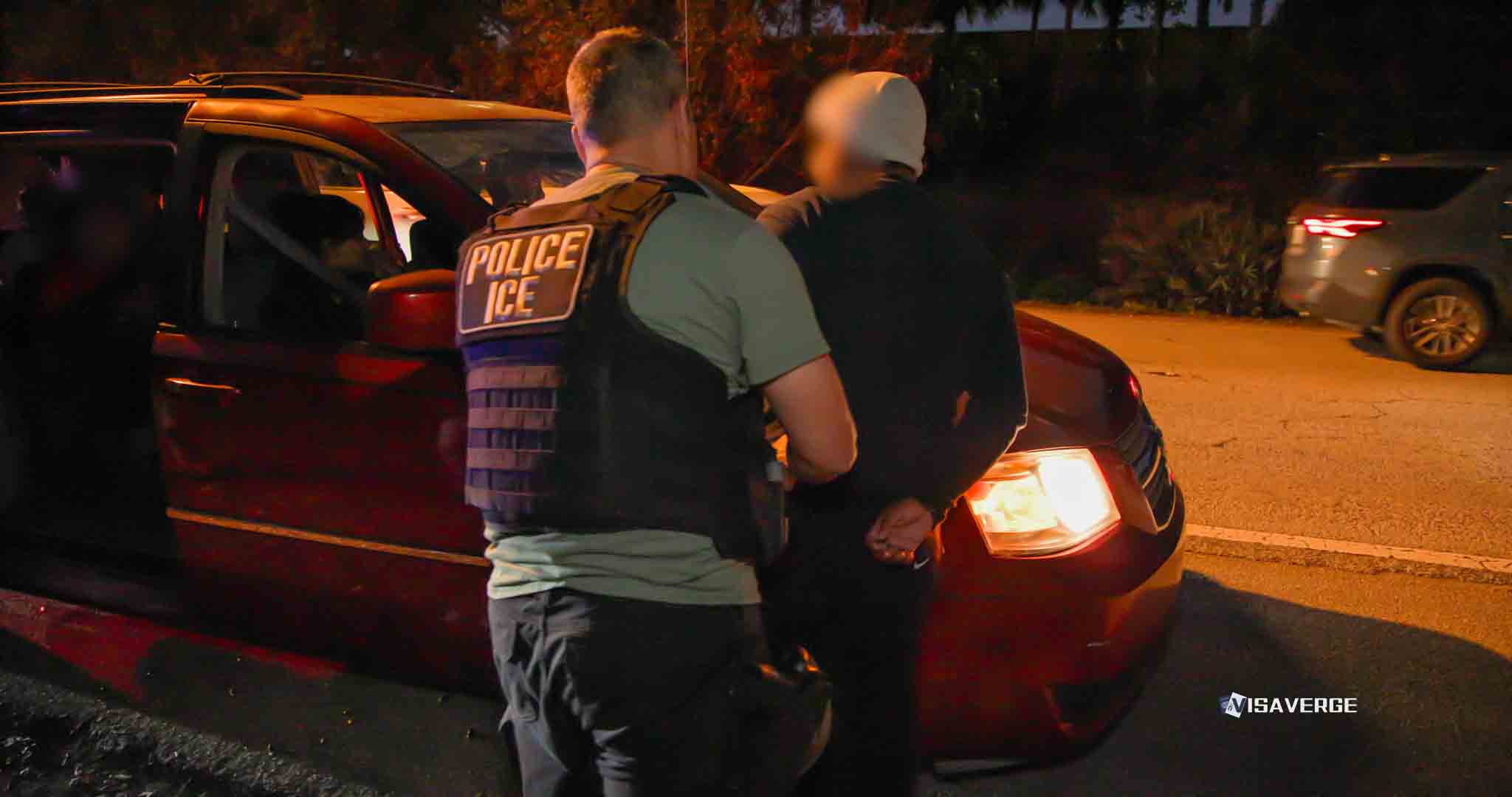
(CALIFORNIA) U.S. Immigration and Customs Enforcement and the Department of Homeland Security said they will not follow California’s new mask rule for law enforcement, setting up a direct clash over federal power. The California No Secret Police Act, also known as SB 627, was signed by Governor Gavin Newsom on September 20, 2025, and takes effect on January 1, 2026. The law bans officers, including federal agents, from wearing face coverings that hide their identity during official duties in the state, with narrow exceptions.
DHS called the statute unconstitutional and said federal officers are not subject to state control. “We will NOT comply,” the agencies said in public statements, adding they have instructed agents to ignore what they frame as an overreach by California.
What SB 627 does
- Prohibits face coverings that hide identity for officers during routine law-enforcement duties in California.
- Applies to local police, sheriffs, state officers, and federal agents operating in the state (according to the law’s text and state intent).
- Allows narrow exceptions, including:
- Undercover work
- Court-ordered exceptions
California leaders say the measure will improve transparency and reduce fear in immigrant neighborhoods after years of immigration raids by masked teams in unmarked vehicles. Supporters call it the first law of its kind in the United States and argue that clearly identified officers reduce confusion and help prevent abuses.
State officials paired the law with steps that:
– Limit ICE access to certain sensitive places (schools, hospitals, etc.).
– Require visible identification by agencies operating in California.
DHS and ICE response
DHS and ICE say the mask limits put officers at risk. Officials cite a reported 1,000% increase in assaults on ICE agents and growing doxxing threats against agents and their families. They claim face coverings help:
– Protect identities during high-risk operations
– Protect agents during after-action travel
– Mitigate doxxing and threats to families
The agencies argue that local bans cannot interfere with federal missions and have instructed teams to continue current practices in California after January 1, 2026, unless a court orders otherwise. Their legal position rests on the Supremacy Clause of the Constitution, which they say preempts state rules that conflict with federal duties.
“We will NOT comply.” — DHS/ICE statements opposing SB 627 and directing agents to disregard the California rule.
Policy details and timeline
- Signed: September 20, 2025 (Governor Newsom)
- Effective date: January 1, 2026
- Scope: Local, state, and federal officers operating in California
- Exceptions: Undercover operations and court-approved actions; otherwise officers must show faces and wear visible identification
The effective date gives agencies a brief window to update policies and training. Within hours of the signing, DHS and ICE posted statements online saying they do not accept California’s authority to set rules for federal staff and directed agents to disregard the mask rule and continue planned operations.
Legal stakes
Legal scholars expect quick court action to test SB 627 against federal preemption claims. Likely developments include:
- Rapid federal court filings challenging the state’s authority over federal agents.
- Possible preliminary injunctions blocking California from applying the rule to federal agents while litigation proceeds.
- Parallel state actions to enforce rules for local cooperation, even if the federal portion is stayed.
Key considerations:
– States can set conditions for local cooperation and public safety on their streets.
– The enforceability of SB 627 against federal agents is uncertain until courts decide.
– Mixed compliance (federal agents masked; state/local officers unmasked) is a likely outcome in the near term.
Community impact and local policing
The debate has immediate, real-world effects in immigrant neighborhoods and for local agencies:
- Residents report heightened fear when masked teams arrive at homes; they want to know who is at the door and whether a warrant exists.
- Advocates say visible faces and badges reduce confusion and lower tensions during enforcement.
- Defense attorneys may challenge arrests involving masked officers on due process grounds.
- Joint task forces could adopt new on-scene protocols about:
- Who enters first
- Who communicates with residents
- How to handle masked personnel
Community preparations include:
– Training residents to ask for names, badge numbers, and warrants
– Advising people to record interactions on phones for a record of events
– Employers setting visitor rules and designating a point person to interact with officers
According to analysis by VisaVerge.com, states that set clear identification rules often see fewer complaints tied to mistaken identity during raids.
Practical advice for residents, families, and employers
- Stay calm if officers arrive and ask clearly for the officer’s name, agency, and badge number.
- Request to see any warrant before consent is given for entry.
- Record interactions if it is safe and legal to do so.
- Employers should:
- Set clear visitor and access protocols
- Designate a single point of contact to interact with officers
- Document any enforcement contact to create a record
These steps will not stop enforcement but can reduce confusion and help protect rights.
Wider implications
The clash may spread beyond California as other states study SB 627 and federal leaders seek a uniform safety standard. The conflict revives long-standing questions about state power versus federal authority when federal agents operate on local streets.
For those wanting direct access to the bill and related materials, California’s bill information portal hosts SB 627 and its amendments and votes. The public can review the statute and track any changes at the California Legislative Information site: California Legislative Information.
The Governor’s Office has also posted summaries of related measures limiting federal access to sensitive locations like schools and hospitals. While federal agencies reject the law’s scope as it applies to ICE, California leaders say these changes are needed to rebuild trust.
Important deadline: January 1, 2026 — SB 627 takes effect. Until courts rule otherwise, conflicting practices (federal agents masked; state/local officers unmasked) may occur in California.
This Article in a Nutshell
SB 627, signed September 20, 2025 and effective January 1, 2026, prohibits law-enforcement officers in California from wearing face coverings that hide their identity during routine duties, with exceptions for undercover work and court orders. The law aims to increase transparency and reduce fear in immigrant communities by requiring visible identification. DHS and ICE have publicly refused to comply, arguing the state cannot regulate federal agents and citing officer safety concerns and the Supremacy Clause. Legal experts anticipate rapid federal court challenges and possible injunctions. In the near term, mixed practices—federal agents masked, state and local officers unmasked—are likely until courts rule. Residents and employers are advised to request names, badge numbers, and warrants and to document interactions.