- Since May 2025, travelers need REAL ID or approved documents for all domestic flights and federal buildings.
- Non-compliant ID holders face a $45 ConfirmID verification fee and extra screening time at airport checkpoints.
- Passports, military IDs, and Enhanced Driver’s Licenses remain valid alternatives that bypass the new TSA fees.
(UNITED STATES) REAL ID enforcement began on May 7, 2025, and travelers who still carry a non-compliant state ID now face a sharper choice at airport checkpoints. They can upgrade at their DMV, or they can use another approved document and avoid the new ConfirmID fee.
That fee, launched by TSA on February 1, 2026, is changing the daily routine for domestic flyers. It adds $45 for a 10-day verification period and can add 10-30 minutes at the checkpoint, which matters most when flights are full and lines are long.
The policy affects more than tourists. It affects students flying home for breaks, workers on short trips, and immigrants who rely on state IDs for most daily life. According to analysis by VisaVerge.com, the biggest pressure now sits on people who postponed getting compliant after the deadline passed.
From federal deadline to airport reality
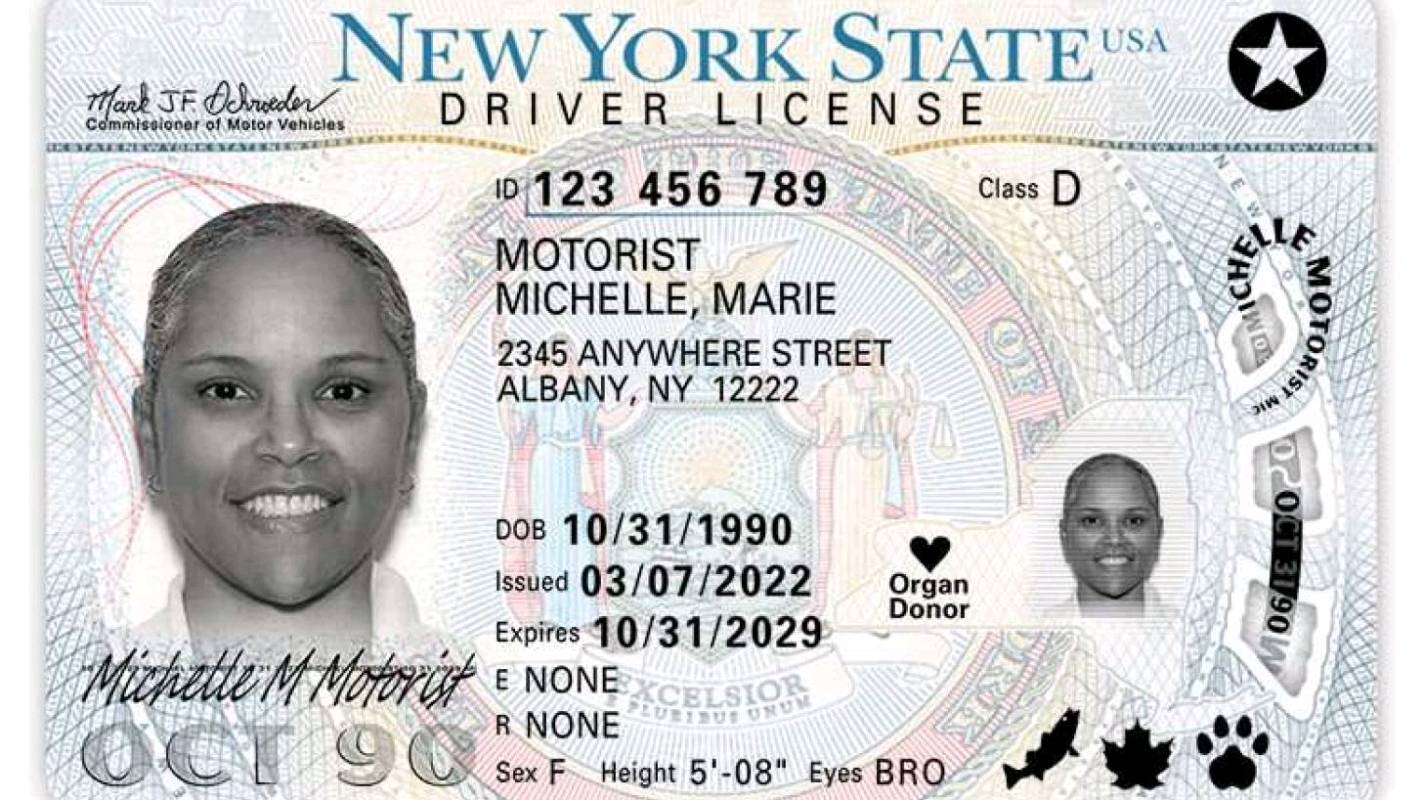
REAL ID is a state-issued driver’s license or identification card that meets federal security standards. Most cards show a star in the upper corner. Congress created the standard after 9/11, and the Department of Homeland Security explains it on the official REAL ID page.
Since May 7, 2025, TSA has required a REAL ID or another approved document for boarding domestic flights and for entering secure federal buildings, military bases, and nuclear facilities. Regular driver’s licenses still work for driving, banking, and age checks. They no longer work as a primary ID for those federal purposes.
The new ConfirmID system is meant for travelers who arrive without REAL ID and without another accepted document. TSA says the process uses digital payment through tsa.gov or airport QR codes, then provides alternative verification for 10 days. At busy airports, the extra screening can stretch beyond half an hour.
What travelers can still use instead of REAL ID
A REAL ID is not the only acceptable document. TSA still accepts several alternatives, and those options avoid the ConfirmID fee entirely.
- Unexpired U.S. passport or passport card
- Military ID
- Global Entry card
- TSA PreCheck enrollment with a compliant ID
- Enhanced Driver’s License from states that issue one, such as New York, Michigan, and Washington
For international travelers, the passport remains the strongest backup because it works for domestic flights and overseas trips. For frequent flyers, TSA PreCheck cuts checkpoint time, but it does not replace the need for an approved ID.
Non-citizens can also get REAL ID if they prove lawful presence. Green card holders, F-1 students, H-1B workers, and many other visa holders qualify when they bring the right papers. For many immigrants, that makes REAL ID easier than carrying a passport for every domestic trip.
How the DMV process works now
DMVs in all 50 states continue issuing REAL IDs, and there is no cutoff date. That matters because some travelers still think they missed their chance. They did not. The cards are still available, but many offices are busy.
Most states require three basic groups of documents: proof of identity, proof of Social Security number, and two proofs of residency. Non-citizens usually need immigration status documents too. A green card, Employment Authorization Document, unexpired visa, or I-94 record can serve that purpose, depending on state rules. Students often need an updated I-20.
Typical processing is straightforward:
- Gather the documents your state requires.
- Make an in-person DMV appointment.
- Bring the originals, not copies.
- Receive a temporary paper document if your state issues one.
- Wait for the REAL ID card by mail, usually within 1-4 weeks.
In high-demand states, waits stretch much longer. California, Texas, Florida, New Jersey, New York, Illinois, and other busy states have reported crowded appointment calendars, weekend hours, walk-in traffic, and backlogs that can run from 2-4 weeks or more for some applicants.
What this means at the airport in 2026
Travelers who arrive with REAL ID or an approved alternative move through normal screening. Those who arrive with only a non-compliant state ID now face a choice: pay $45 for ConfirmID, or risk delay and possibly missing the flight.
The fee is tied to a 10-day travel period. That helps some passengers making short business trips or family visits. It also creates repeated costs for people who fly often without upgrading their ID. For a person who travels every few weeks, the bill adds up fast.
Airport staff still recommend arriving 2-3 hours early, especially during peak travel periods. ConfirmID checks, crowded lines, and busy boarding groups can create a chain reaction. One delay at the checkpoint often becomes a missed connection.
International flights remain different. A passport is still required, and REAL ID does not replace it. That rule is simple, but it still gets mixed up by travelers who hear only the domestic flight message.
The questions travelers keep asking
Many people still ask whether DMVs will stop issuing REAL IDs. They will not. States continue issuing them indefinitely, and the post-deadline period has not created a supply shortage.
Others ask whether the process became harder after May 7, 2025. The answer is no. The process is the same, but demand is higher. The delay comes from appointment pressure, not from a new legal hurdle.
Privacy concerns also remain part of the debate. Critics of ConfirmID argue that biometric verification feels like a penalty for people who lack easy DMV access, especially rural residents, low-income travelers, and some non-citizens. TSA says the money supports biometric systems and officer training.
For immigrants, the practical question is simpler. If you already have a passport, use it. If you use a state driver’s license every day, consider moving to REAL ID before your next trip. That prevents the fee and removes the checkpoint stress.
The safest path is still the same one DHS has repeated for years: check your document now, not at the airport. The TSA REAL ID page explains acceptable documents and checkpoint rules, while state DMV sites show local appointment rules, residency proofs, and immigrant-document requirements.