

(MEXICO) Mexican “retornados” — people sent back after deportation from the United States — are returning to a country that often feels foreign, and to a system that is hard to enter without the right papers, money, or support. Researchers from the Wilson Center, the Migration Policy Institute, and community psychologists describe a pattern of economic struggle, social isolation, and emotional pain that stretches long after the flight back to Mexico has landed.
Documentation gaps block access to basic services
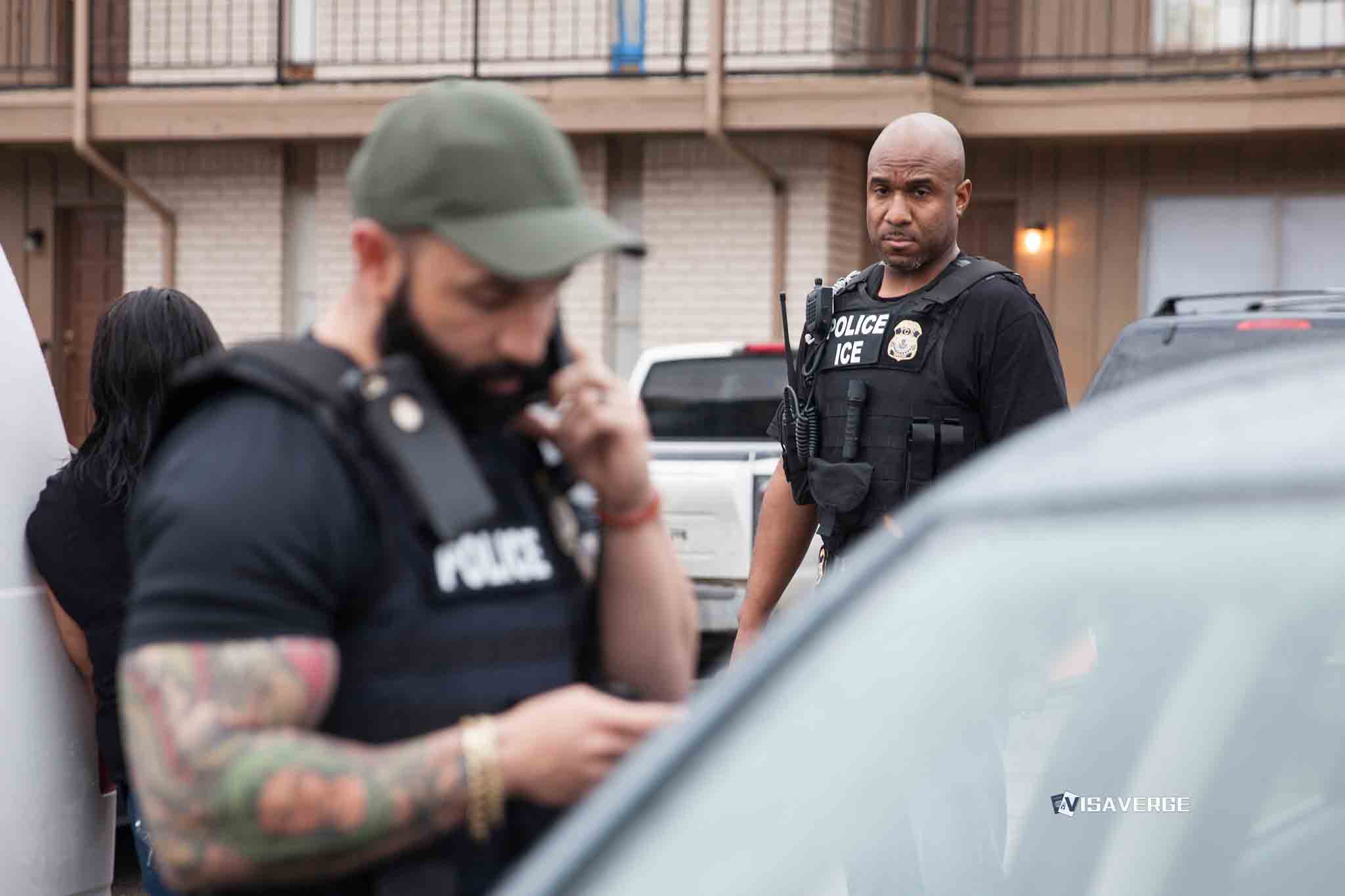
One of the first problems for many Mexican retornados is shock. People are often picked up by U.S. immigration officers without warning and have no time to collect birth certificates, school records, or work documents. According to the Wilson Center, even those who try to prepare before removal struggle to find clear information on which papers they will need in Mexico.
On arrival, many returnees lack basic Mexican documents such as a passport or voter credential. These are standard requirements to prove identity in Mexico and to apply for government services, work, and school. The Migration Policy Institute reports that without these documents, retornados often cannot easily enroll in public healthcare, sign up for social programs, or register their children in school.
Mexican officials are working on legal changes that would allow returnees to use a government-issued identification number instead of traditional ID cards when applying for benefits. But, according to the Migration Policy Institute, this plan is still limited in practice, leaving many people in a legal gray zone: they are Mexican citizens on paper, yet cannot prove it in a way that offices and employers accept.
For general information about Mexican identity documents and public services, people can consult resources from the Mexican government, including the Interior Ministry’s site at gob.mx, though many retornados say they struggle to turn online rules into real access on the ground.
Economic setbacks after years building lives in the U.S.
The economic shock of deportation from the United States is steep. Many retornados had stable jobs, homes, and children in U.S. schools. Once back in Mexico, they face a labor market that often does not recognize their skills.
The Wilson Center notes several recurring barriers:
– Professional experience in the U.S. rarely counts toward formal qualifications in Mexico.
– Licenses or certifications from U.S. employers are not always accepted.
– Many lack Mexican work histories or tax records.
As a result, a large share of returnees end up in low-wage work, even if they held better jobs in the U.S. Call centers are a common landing spot because they value English proficiency, allowing retornados to get hired quickly. However, pay is low and promotion paths are narrow, leaving many stuck in jobs far below their skill level.
Others dream of opening a small business. In the U.S., they might have had access to credit cards, car loans, or small-business lines of credit. Back in Mexico, start-up capital is hard to find: many retornados lack collateral, banking history, or formal proof of income needed for loans.
The Migration Policy Institute reports reintegration programs that could bridge this gap are under heavy strain. These programs, often supported by foreign aid, aim to offer:
– Skills training adapted to the Mexican job market
– Guidance on how to start a business legally
– Job matching with local employers
But an 85% cut in USAID funding has forced many initiatives to scale back. With less money there are fewer training slots, shorter programs, and limited follow-up with participants. Analysis by VisaVerge.com finds these funding cuts push many retornados toward:
– informal work
– family remittances from relatives who remain in the U.S.
– low-paying service jobs with little security
Cultural distance inside one’s own country
For many retornados, stepping onto Mexican soil does not feel like “coming home.” The Wilson Center notes some left as toddlers or young children and built their entire sense of identity in the United States. They may:
– speak Spanish with foreign accents
– use English words without noticing
– be unfamiliar with local slang, humor, and social codes
This cultural distance appears in daily life: at school, in the workplace, and even at family gatherings. Classmates may tease children who “sound American.” Employers may question why a Mexican citizen does not know certain basic procedures. Relatives may struggle to understand why the retornado feels out of place in the town where they were born.
The Migration Policy Institute also highlights stigma. Many in Mexico see deportation as a sign of criminal behavior, even when people were removed for civil immigration violations rather than crimes. Returnees report being labeled as “failed migrants” or assumed to be troublemakers. This label follows them in job interviews, housing searches, and social life, and can push them into isolation.
Emotional toll of sudden return and family separation
The psychological cost of deportation is heavy. Studies cited in APA Monitor and Community Psychology describe high levels of anxiety, depression, and a deep sense of loss among retornados. They mourn not only the life they built in the United States but also the future they thought their children would have there.
Deportation often splits families. One parent may be removed to Mexico while the other remains in the U.S. with the children. According to Community Psychology research, caregivers who stay behind must suddenly take on new roles, juggle more work, and handle the children’s grief and confusion.
When children do return to Mexico with deported parents, they face specific adjustment problems:
– limited written Spanish skills
– no prior exposure to Mexican schools
– feelings of being outsiders among Mexican classmates
Community Psychology researchers describe children who struggle academically, miss friends left in the U.S., and feel torn between two countries that both feel like home and not-home simultaneously.
Without mental health services designed for this group, many retornados carry trauma alone. They relive arrest, detention, and the flight back. They worry constantly about relatives still in the U.S. and about building a future in a country that feels unfamiliar.
Key takeaway: deportation creates lasting emotional harm and family disruption that simple short-term assistance cannot fully address.
Patchy support: shelters, reception centers, and geographic displacement
Mexico has tried to set up basic support for arrivals after deportation. CBS News reports on facilities like the Flamingo’s shelter in Tijuana, which can hold up to 3,000 people but usually has only about 100 occupants at a time. Such centers may help returnees obtain birth certificates and identity documents and offer short-term shelter, food, and phone access.
However, these services are limited in scope and reach. Not every deportee is sent to a city with a large shelter, and some are dropped off in smaller towns where NGOs are scarce and state offices are overwhelmed.
There is also the problem of forced internal relocation. According to the Washington Office on Latin America (WOLA), some deportees are flown to southern Mexico, such as Tapachula, and then bused to Mexico City regardless of whether they have roots or family support there. This geographic displacement makes it harder to:
– meet relatives at the border
– reach hometowns
– access the few reintegration programs that exist
For retornados this can feel like a second dislocation: removed from the U.S., then moved again within Mexico, often to cities where they have no social network or clear way to move on.
Slow policy reforms and underfunded reintegration efforts
Mexico and several Central American countries have built reintegration programs focused on economic integration, job training, and employment placement, according to the Migration Policy Institute. In theory, these programs should help retornados turn U.S. experience — language skills, technical abilities, work habits — into solid careers at home.
In practice, funding gaps and limited capacity mean support often falls short. With fewer resources, programs can’t tailor services to different profiles: a young adult who left Mexico at age two has very different needs from a middle-aged worker who migrated recently. Yet both are often placed in similar short courses or workshops that stop far short of real integration.
Legal reforms to open government services to retornados through more flexible identification rules could ease part of the burden. The Migration Policy Institute notes Mexico is working toward such reforms, but progress is slow and patchy. On the ground, many local officials still ask for a passport or voter ID, regardless of new rules written in law.
The combined effect is a system where Mexican retornados are formally citizens but practically excluded from the full rights that status should bring. They face:
– economic hardship
– social and cultural distance
– intense emotional stress
– a support network too thin to carry the weight of their return
Summary table of major challenges and gaps
| Area | Major problems | Consequences |
|---|---|---|
| Documentation | Lack of passport/voter ID; unclear requirements | No access to healthcare, social programs, school enrollment |
| Economic | U.S. experience not recognized; loss of credit access | Low-wage jobs, informal work, limited business start-ups |
| Cultural & social | Language, behavior, stigma | Isolation, discrimination, difficulties in schools/jobs |
| Emotional | Trauma from removal; family separation | Anxiety, depression, unresolved grief |
| Support systems | Underfunded reintegration; limited shelters | Patchy services, forced internal relocation, program capacity limits |
If you would like, I can produce a printable one-page fact sheet, a short policy brief highlighting recommendations, or a version of this article tailored for community organizations working with retornados.
Mexican retornados face intersecting barriers: missing identity documents prevent access to services; U.S. work experience is often unrecognized; reintegration programs suffer severe funding cuts; cultural stigma and trauma deepen isolation. Shelters offer limited relief, and forced internal relocation fragments support networks. Though legal reforms are proposed to ease documentation barriers, implementation is slow. Comprehensive, sustained investment in tailored job training, documentation access, and mental-health services is needed to allow meaningful reintegration.


