- QatarEnergy halted all LNG production following Iranian drone and missile strikes on key industrial hubs.
- The disruption threatens global energy markets, particularly in Europe, as Qatar provides 20% of global output.
- Strait of Hormuz traffic plummeted by 86 percent after Iran’s IRGC closed the critical shipping lane.
(QATAR) — QatarEnergy halted all LNG production on March 2, 2026, after Iranian drone and missile attacks targeted facilities in Ras Laffan Industrial City and Mesaieed Industrial City, declaring force majeure to buyers and shippers.
The stoppage quickly widened beyond export gas. QatarEnergy later stopped some downstream output on March 3, including urea, polymers, methanol, and aluminum, tightening supply for industries that depend on feedstocks and power from those hubs.
Ras Laffan and Mesaieed sit at the center of Qatar’s export system, and the disruption landed as shipping conditions deteriorated nearby. Strait of Hormuz traffic fell 86% after its closure by Iran’s IRGC, compounding concerns about how quickly cargoes can move even if plants restart.
Qatar’s role in global gas markets drives the sensitivity. The country provides ~20% of global LNG output, and traders often reprice risk before a full damage assessment emerges because the window to replace cargoes can be short.
Europe faces some of the sharpest exposure because it relies heavily on LNG imports after a post-Russia supply reshuffle that made Qatar’s deliveries closely watched. A halt in Qatar can tighten the market even if other producers keep shipping, because buyers must compete for a limited pool of spot cargoes.
One widely watched yardstick is what a short outage could do in aggregate. In a 15-day halt scenario, global output drops ~4.3%, equivalent to 3.3 million tons lost, a scale that can move European spot prices even if the disruption proves temporary.
Oil-linked products also reacted as the crisis fed broader energy-risk sentiment and logistics fears. Gasoil futures posted their largest single-day gain in four years, a move traders often interpret as both a supply-risk signal and a proxy for wider disruption to shipping and refinery flows.
Jan-Eric Fahnrich, an analyst at Rystad Energy, pointed to sharp tightening already priced in and said the pressure worsened as Hormuz constraints blocked exports. The reaction showed how markets translate uncertain outage duration, repair timelines and shipping access into near-term volatility.
Adam Baker, an analyst at Morningstar, warned of weeks-to-months volatility if damage persists. Baker also said no 2022-level crisis is anticipated absent a prolonged outage, while U.S. LNG could offset disruptions via increased exports as the top global producer.
Rachel Ziemba, an analyst at the Center for a New American Security, called it an escalation while also noting Europe’s winter peak has passed. That seasonal shift can limit the worst of peak-demand stress even as buyers compete for spring cargoes to refill storage.
For consumers looking toward March–May 2026, the direct connection between LNG and travel fuel is weaker than the link to electricity and industrial output. Direct fuel effects on travel will likely be modest this spring, as LNG primarily powers electricity and industry rather than immediate transport fuels like jet fuel or gasoline.
Even so, middle-distillate strength can filter through to transport costs. Gasoil, used in shipping and some heating, can indirectly lift aviation and freight costs through higher operating expenses and broader risk premiums, even if there is no immediate jet-fuel supply crunch and even if Hormuz disruptions hit oil more than gas immediately.
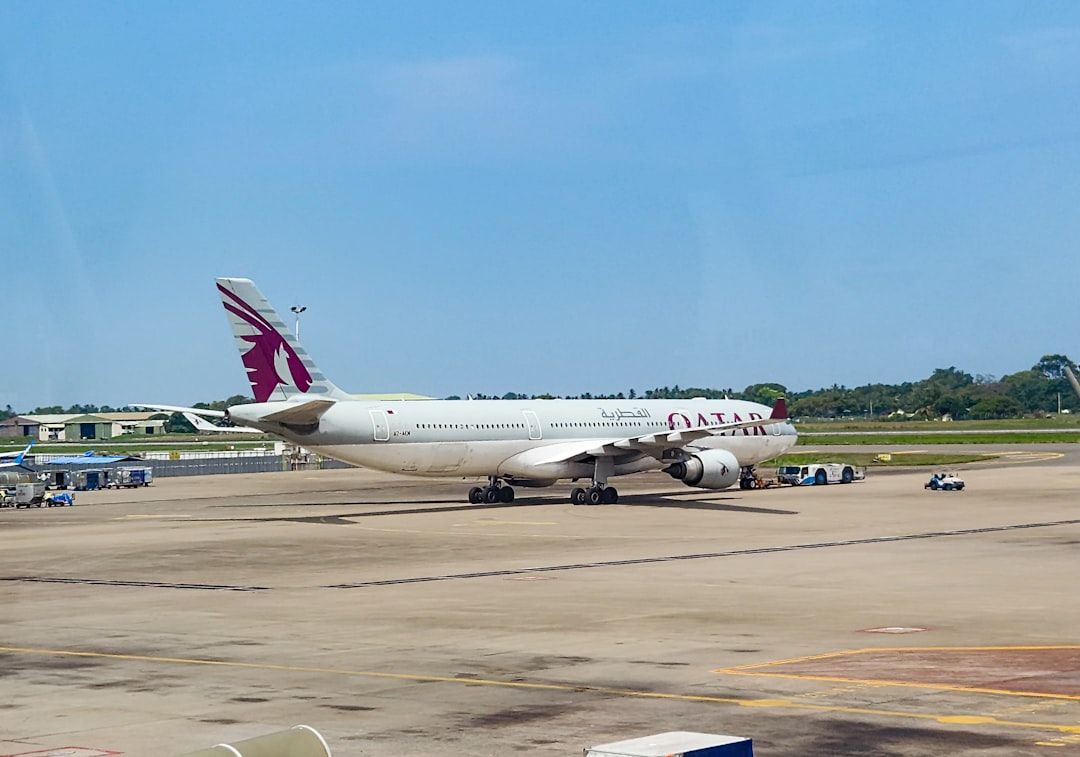
Qatar Airways plans limited relief flights for stranded passengers amid evacuations near the U.S. embassy, underscoring the operational strain around the Gulf even beyond energy. Qatar’s Ministry of Interior elevated security and urged indoor stays, and officials reported no casualties.
How long the disruption lasts will matter as much as the initial headlines. Damage assessment and restart sequencing typically determine when LNG production can resume, and safety checks at industrial sites can slow the ramp-up even after repairs, especially if port operations face constraints.
Shipping and insurance conditions can also extend disruption after plants are ready, because buyers and shipowners weigh navigation risk, port access and the ability to transit chokepoints. That uncertainty can keep a risk premium in European prices even if physical damage proves limited, and it is why the episode draws comparisons with prior European energy crises without necessarily repeating them.
Two broad scenarios shape the market’s near-term math. A short outage, described in analyst modeling as a quick recovery of <15 days, points to a moderate spike that can fade quickly as supply normalizes and alternative cargoes are arranged, even after a sharp initial repricing.
A prolonged disruption, described as weeks-months, raises the risk of a 10-20% supply gap that can keep LNG availability tight and sustain higher prices, with more persistent pass-through risk for transport and shipping costs, including the possibility of 5-10% fuel surcharges in analyst models.
Offsets and rerouting options sit at the center of how quickly markets calm. The United States’ position as the top global producer gives it room to increase exports in response to higher prices, and Saudi Arabia ramped Red Sea oil via pipeline after its refinery hit, offering another logistical workaround for regional energy flows.
The next signals traders and consumers will watch are operational rather than rhetorical: restart announcements, any change in shipping or insurance conditions tied to the Hormuz closure, and how European spot LNG pricing behaves as buyers seek replacement cargoes. QatarEnergy promised updates via its site as markets weigh whether the halt turns into a short shock or a longer constraint on global supply.