Organizers in South Philadelphia canceled El Carnaval de Puebla for a second straight year, saying fears of federal immigration enforcement have kept the region’s largest Mexican cultural celebration from returning in 2026.
Edgar Ramirez, an organizer of the event, said on January 2, 2026:
“The atmosphere is tense. If we do it, people will come, but I think it’s also our responsibility not to expose them if it’s not necessary.”
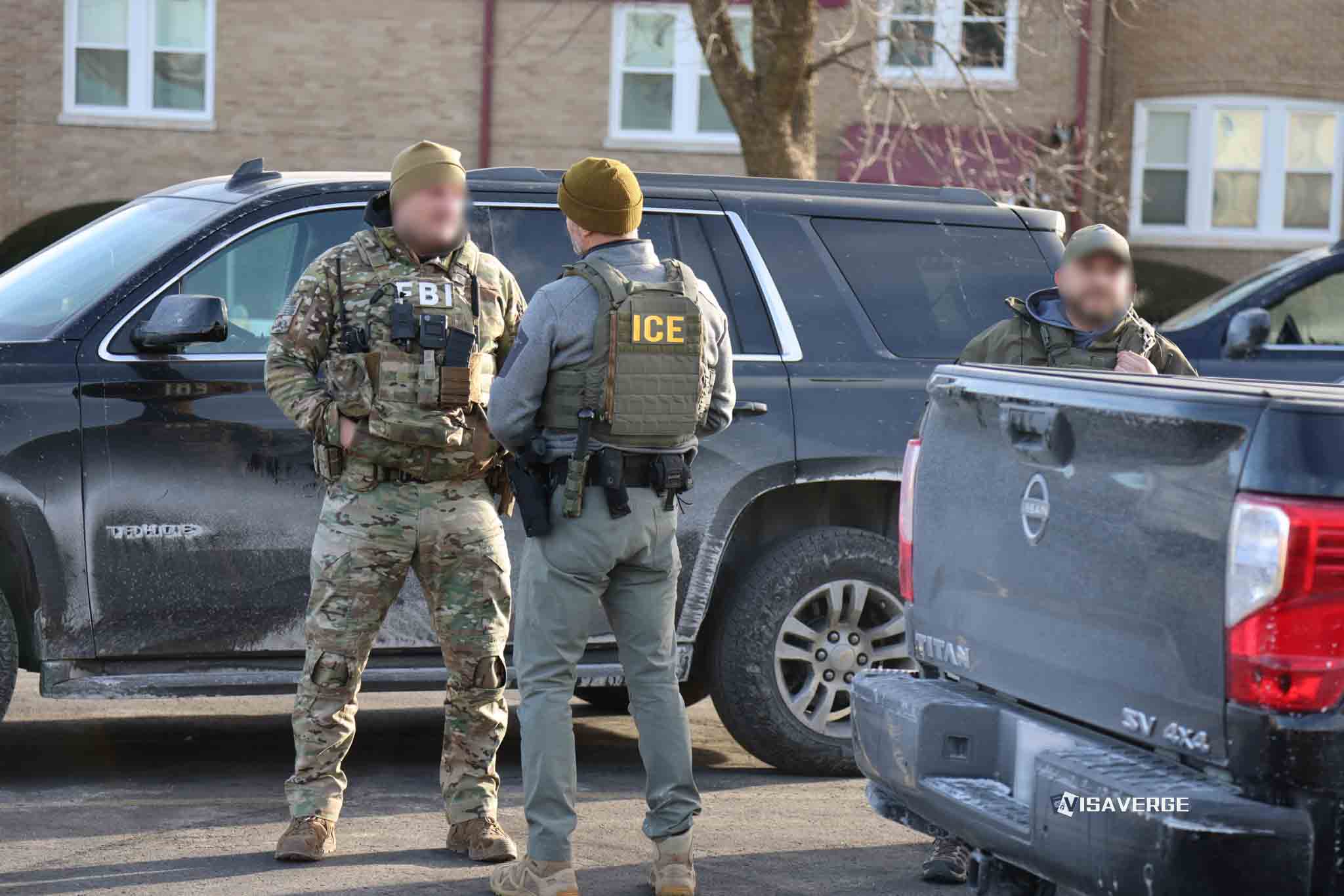
The cancellation follows a similar decision in 2025, extending a pause that community leaders and sociologists have described as a “chilling effect” in which the presence, or even rumor, of ICE operations disrupts everyday community life.
About the festival and economic impact
El Carnaval de Puebla is billed by organizers as the largest Cinco de Mayo celebration on the East Coast, typically drawing 15,000 attendees to South Philadelphia and the Italian Market area.
- The festival typically generates over $100,000 for local Latino-owned businesses in the Italian Market corridor.
- Organizers said the risk of low turnout in 2026 made the event financially impossible for sponsors, beyond the cultural loss for the community.
Recent cancellation history
The festival’s interruptions have happened before and include:
- 2017 — canceled amid earlier waves of community anxiety about enforcement.
- 2020 — canceled due to the COVID-19 pandemic.
- 2025 — canceled amid renewed fears of enforcement.
- 2026 — canceled again, with no new date announced.
Enforcement operations and community fears in 2025
Organizers and residents pointed to a series of enforcement actions and high-profile operations that heightened anxiety in Philadelphia in 2025, including:
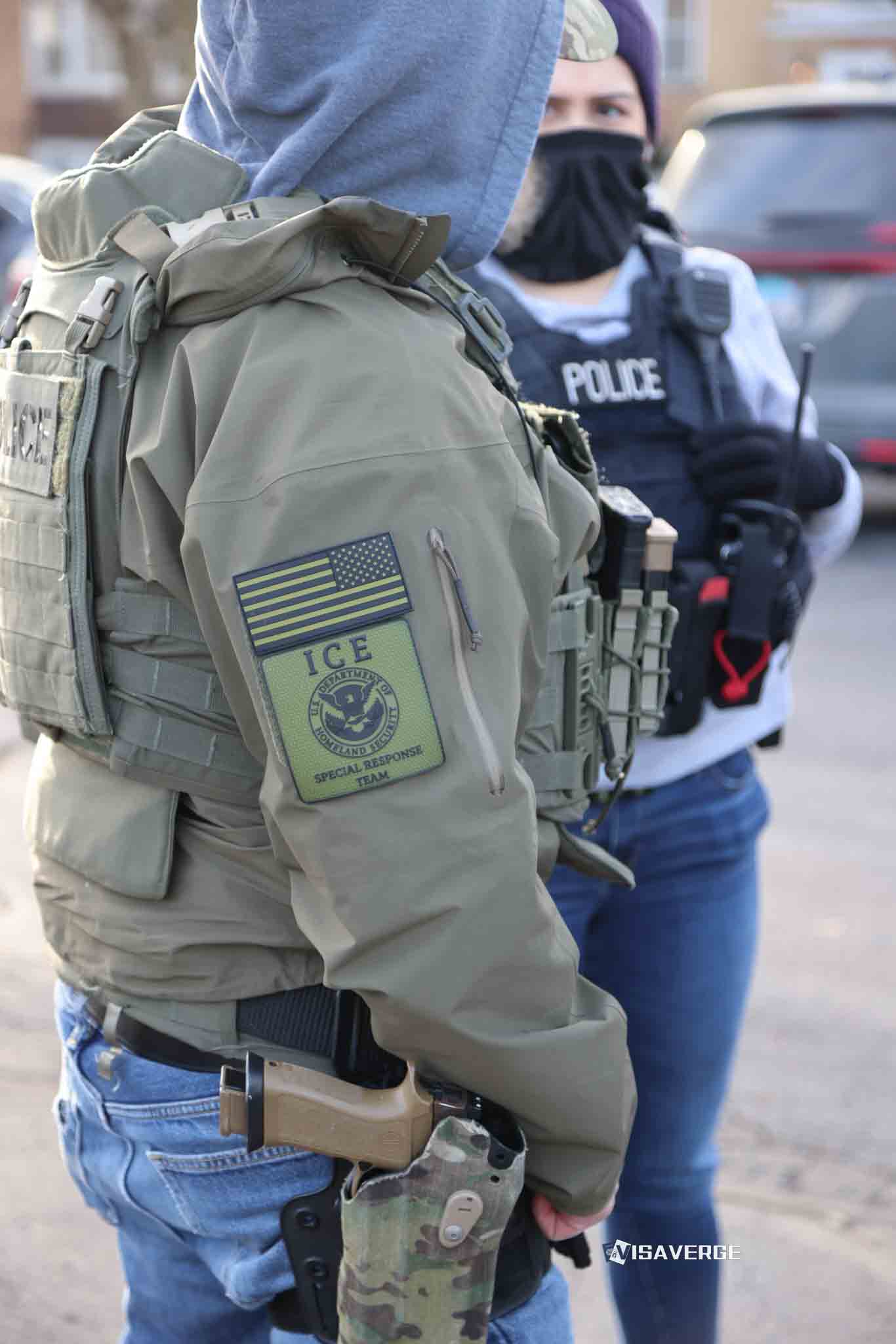
- January 28, 2025 — a raid at a North Philadelphia car wash in which ICE agents arrested seven workers.
- April 29, 2025 — ICE ERO Philadelphia removed 90 Central Asian nationals as part of a larger multi-state operation.
- ICE reported removing approximately 150,000 individuals between January and June 2025, with a stated goal of maintaining a daily arrest quota of 3,000.
These actions contributed to reports that families were avoiding public gatherings, including church services and medical appointments, because of agents’ presence in residential areas.
Federal agencies’ public statements
Federal agencies did not comment specifically on the cancellation of this local private event, but they issued statements addressing community concerns and enforcement practices in Philadelphia:
- In an email dated September 2, 2025, a DHS spokesperson said:
“What makes someone a target for immigration enforcement is if they are illegally in the U.S. — NOT their skin color, race, or ethnicity. those who are not here illegally and are not breaking other laws have nothing to fear.”
- On August 14, 2025, after protests about plainclothes or masked agents, ICE Philadelphia defended its tactics:
“If an ICE officer or agent chooses to wear a mask to protect themselves from being doxed and targeted by highly sophisticated gangs. they clearly identify themselves as law enforcement.”
- In the earlier period around 2017, ICE officer Khaalid Walls said:
“ICE’s enforcement actions are targeted and lead driven. ICE does not conduct sweeps or raids that target aliens indiscriminately.”
Legal and municipal context
- Philadelphia’s approach to immigrant issues shifted in 2025, when Mayor Cherelle L. Parker’s administration changed the city’s terminology from a “sanctuary city” to a “welcoming city”, drawing criticism from advocates who saw it as a softening of protections amid threats of federal funding cuts.
-
The city’s immigrant affairs work is handled through the Office of Immigrant Affairs, with information available at: City of Philadelphia: Office of Immigrant Affairs.
-
Advocates note there are legal limits on what the city can do in response to federal enforcement:
- Local law enforcement is prohibited from fulfilling ICE detainers without a judicial warrant.
- The city cannot legally prevent ICE from operating on public streets, which leaves residents uncertain about protections outside city custody settings.
Community impact beyond numbers
Organizers and residents emphasize that the consequences are not only economic:
- Families reported avoiding public life — including church and medical appointments — because of fear.
- Residents described cultural loss when the tradition stops:
> “A little piece of our culture goes missing” when multi-generational celebrations are halted.
Organizers say the festival is both a celebration and a public statement of presence, now weighed against the risk that some attendees might stop leaving home.
Where to find federal information
For public-facing information about ICE operations and contact points:
For DHS statements and press releases, including the September 2, 2025 email:
– DHS Press Office
Current status
Organizers have not announced a new date for El Carnaval de Puebla, leaving the celebration’s 2026 absence as the latest sign that fear alone can be enough to keep a signature Philadelphia street festival canceled.
El Carnaval de Puebla, Philadelphia’s premier Mexican cultural event, will not return in 2026. Organizers blame the cancellation on pervasive fear regarding ICE enforcement actions. Beyond the cultural loss, the cancellation strips the Italian Market of over $100,000 in revenue. While federal agencies defend their targeted tactics, community leaders argue the atmosphere of tension makes hosting large-scale public gatherings an unnecessary risk for immigrant families.