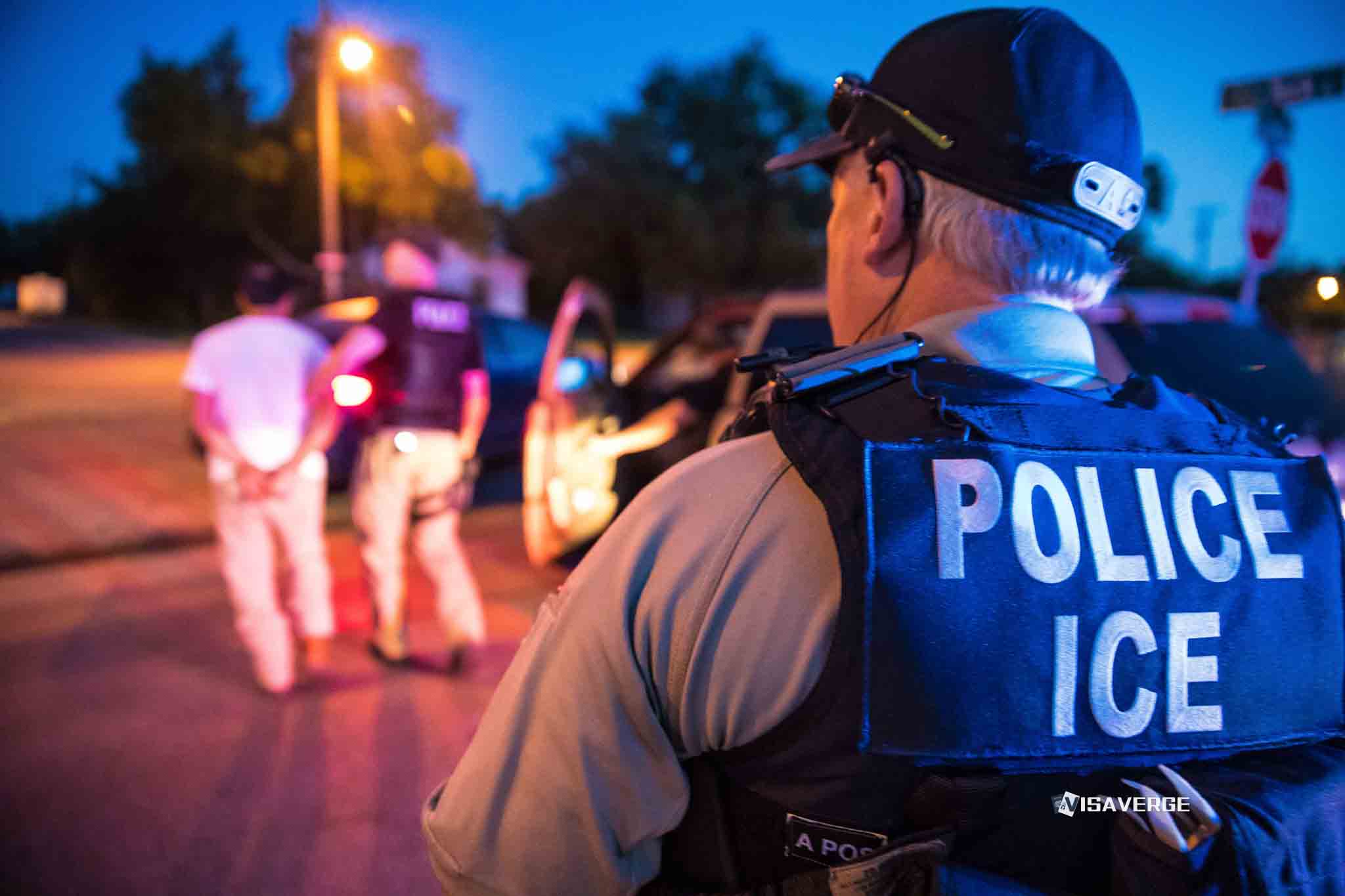
(UNITED STATES) The University of Pennsylvania’s International Student and Scholar Services (ISSS) told some students and visiting scholars this week to Postpone Travel plans that are not essential after a White House proclamation widened U.S. entry limits, raising fresh worries about getting back to campus after winter trips. The proclamation, issued on Dec. 16, 2025, expands full-entry restrictions to nationals of seven more countries and keeps limits for several others, with new rules tied to visa status on Jan. 1, 2026.
ISSS guidance and timing
ISSS sent guidance on Dec. 17, a day after the White House action, urging potentially affected people to avoid leaving the United States 🇺🇸 without talking to an adviser. The office said the restrictions will “primarily” affect people who are outside the country and do not have a valid U.S. visa as of Jan. 1, 2026.
In contrast, ISSS emphasized that people already in the United States 🇺🇸 are not subject to the entry limits while they stay in the country. That distinction—being inside the U.S. vs. having the right to reenter—is critical for planning travel.
Which countries are affected
According to the Penn Global advisory and reporting by The Daily Pennsylvanian, the Dec. 16 White House proclamation:
- Adds these countries to the full-entry restrictions:
- Burkina Faso, Laos, Mali, Niger, Sierra Leone, South Sudan, and Syria
- Keeps other countries on the restricted list:
- Afghanistan, Burma (Myanmar), Chad, Republic of the Congo, Equatorial Guinea, Eritrea, Haiti, Iran, Libya, Somalia, Sudan, and Yemen
These names will be familiar to students and staff who experienced earlier travel limits.
How the proclamation affects students and scholars
The central question for many international students is: Can I leave and come back to finish my degree? ISSS stressed that the new rules hinge on visa timing:
- The proclamation’s impact depends on whether a person had a valid visa on Jan. 1, 2026.
- It also depends on whether they are outside the United States at that date.
This matters especially for students who are in lawful status in the U.S. but have a visa that will expire and would require obtaining a new visa stamp abroad.
Exceptions and notable adjustments
ISSS noted several exceptions and clarifications:
- Lawful permanent residents (green card holders) are generally not affected.
- Dual nationals who travel on a passport from a non-restricted country will generally not be affected. This can change travel choices for families with multiple citizenships.
- The proclamation modified restrictions for Turkmenistan, allowing nonimmigrant entry while keeping immigrant entry suspended.
Operational guidance from ISSS and Penn
Rudie (Rodolfo) Altamirano, executive director of ISSS, told the Penn community the office is tracking developments and will keep sharing updates as details emerge.
Departments were urged to plan for possible disruptions, including:
- Delayed arrivals
- Start dates slipping
- Reentry problems for students and employees returning from abroad
The advisory also requested that schools and administrative units do not provide case-by-case immigration advice on their own, but instead refer questions to ISSS, which handles Penn’s immigration filings and travel signatures.
Practical travel risks and advice
The warning arrives during a travel season when many international students book flights months in advance and weigh the risks of consular delays or sudden policy changes.
Immigration lawyers often note:
- A valid I-20 or DS-2019 travel signature is only part of reentry.
- A valid visa is also required at the border.
- Obtaining a new visa can require an interview and additional security checks.
Students seeking official background on visa rules and entry screening are often directed to the U.S. Department of State’s U.S. visa information page.
A person who leaves now may get stuck outside if they can’t secure a visa appointment before Jan. 1, 2026, or if the proclamation blocks new visas for their nationality.
This uncertainty affects graduate researchers, medical trainees, visiting lecturers, and undergraduates alike, because even short gaps can break lab schedules or delay paid work.
Who should consult ISSS
Students from affected countries, or those who worry they could be “otherwise potentially impacted,” were told to consult ISSS before making travel decisions. This includes people who:
- Hold passports from a restricted country but have a visa in a different category than they first used to enter.
- Are unsure whether their current visa will remain valid or be renewable abroad.
ISSS’s advisory carefully reiterated that the entry limits will “primarily” apply to those outside the United States 🇺🇸 without a valid visa by Jan. 1, 2026, but it urged caution because airline staff and border officers have broad authority to ask questions and deny boarding or entry if documents do not align.
Institutional impacts and recommendations
The proclamation’s country list and the reminder that being inside the U.S. is not the same as having the right to reenter have revived memories of earlier travel disruptions when students slept in airports or scrambled for legal advice.
Penn’s guidance did not instruct students to cancel trips outright, but it repeated a simple theme:
- Postpone Travel that is non-essential if you may fall under the new limits.
- Check with ISSS first if travel is necessary.
For departments, Altamirano’s office urged patience with hiring and onboarding plans, since missed start dates can cascade into payroll, housing, and health coverage problems.
How to get help
ISSS asked people to reach out for individualized advising and listed Rudie Altamirano as a contact for departmental questions:
- Email: [email protected]
The office’s caution reflects how travel bans operate in practice: while the legal text focuses on visas and nationality, the impact is felt in everyday choices about flights, family visits, conferences, and funerals. Students who leave without a visa renewal lined up can face weeks of waiting for an appointment and longer waits for security reviews, even with funded programs and clean records.
For now, Penn is advising those at risk to stay put until rules are clearer after Jan. 1, 2026.
UPenn’s ISSS recommends that international students and scholars postpone non-essential travel due to a new White House proclamation. Effective January 1, 2026, the order adds seven countries to a restricted list and complicates re-entry for those without valid visas. While people currently inside the U.S. are not immediately restricted, leaving without a secure visa could prevent them from returning to campus to continue their academic programs.