- ProPublica investigation reveals agents used prohibited chokeholds in over 40 cases during the past year.
- DHS drastically reduced oversight staff from 150 to nine despite hundreds of active civil rights investigations.
- New legislation was introduced to mandate de-escalation and align immigration enforcement with Department of Justice standards.
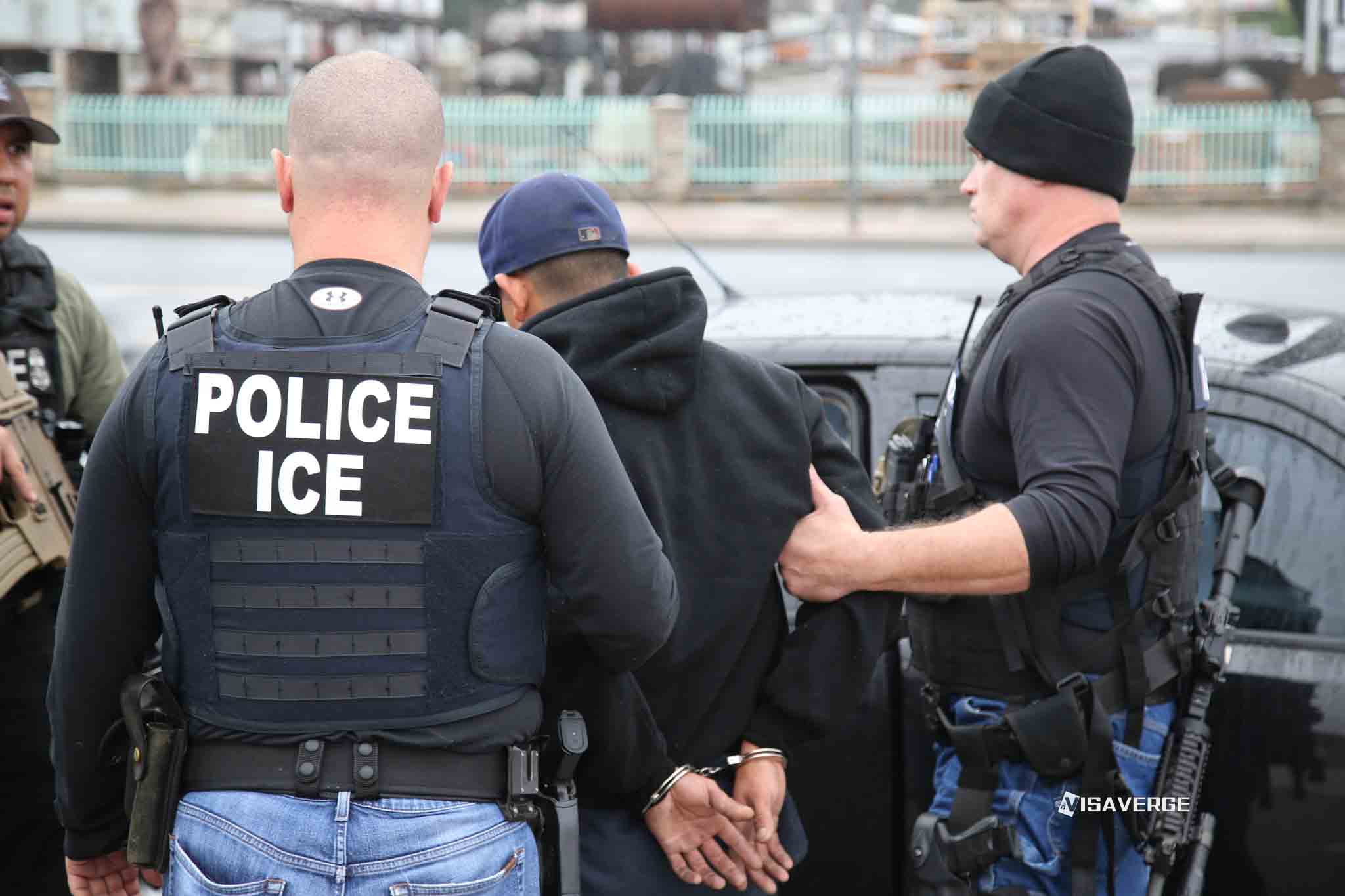
ProPublica reported this week that immigration agents used banned chokeholds and other high-risk restraints in more than 40 cases over the past year, raising new questions about how force is applied during arrests, transport and detention.
The investigation, released on January 13, 2026, documented neck restraints and other maneuvers that restrict breathing or blood flow, which ProPublica described as life-threatening.
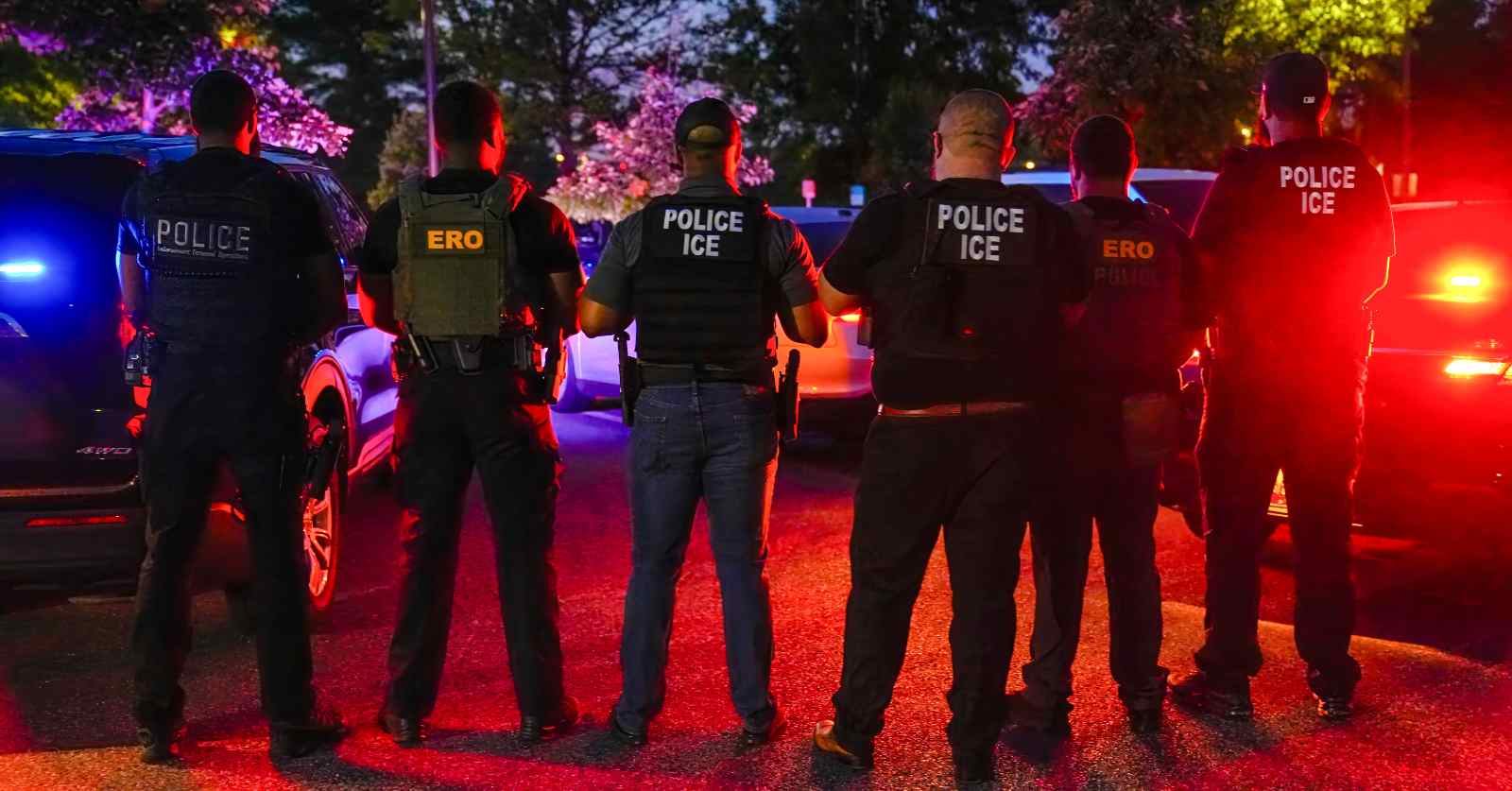
Such tactics can affect not only noncitizens but also U.S. citizens who may be present during enforcement actions or swept into fast-moving encounters.
Investigation overview
The maneuvers highlighted by ProPublica involve breathing or blood-flow restriction, which carry heightened risk because small changes in pressure and duration can have severe outcomes.
ProPublica reported that the investigation identified 40+ cases of such methods, and that DHS policy officially prohibits certain restraints unless deadly force is authorized.
The reporting identified nearly 20 cases involving “carotid restraints” or chokeholds falling into that prohibited category.
Where encounters occur
DHS officials and ProPublica emphasized that immigration encounters do not only happen at the border or in detention centers.
They can occur during arrests at homes and workplaces, during transfers in custody, and, under recently reported operational changes, in settings tied to benefits processing and interviews.
Reports described a USCIS operational shift: under new directives, USCIS has established its own internal police force to conduct arrests of noncitizens during green card and visa interviews at agency field offices.
Public and official responses
DHS officials have defended agents’ conduct while warning that filming and interference can bring prosecution, as the department faces mounting scrutiny over whether internal rules are being followed in the field.
DHS Spokesperson Tricia McLaughlin responded on January 14, 2026 to footage of prohibited chokeholds by saying federal agents have “followed their training to use the least amount of force necessary” and that “Officers act heroically to enforce the law and protect American communities.”
Kristi Noem, the DHS secretary, addressed use-of-force incidents on January 15, 2026 by saying, “This is an experienced officer who followed his training.” Noem has previously characterized resistance to immigration enforcement as “acts of domestic terrorism.”
A separate DHS Public Affairs Office email on January 13, 2026 warned that bystander filming and protest contexts could be treated as closer to criminal enforcement, stating: “That sure sounds like obstruction of justice. If you obstruct or assault our law enforcement, we will hunt you down and you will be prosecuted to the fullest extent of the law.”
CBP Commander Gregory Bovino defended actions during “Operation Charlotte’s Web,” saying agents use the “least amount of force necessary to affect the arrest or the mission.”
Such public statements can leave key questions unanswered early on, including whether body-worn camera footage exists and whether it will be released, what internal reviews conclude, and whether any discipline follows.
Operations and pace of encounters
The incidents were often tied to large-scale enforcement surges with specific operation names, which can bring large numbers of agents into neighborhoods and increase the pace of encounters.
- Operation Midway Blitz (Chicago)
- Operation Charlotte’s Web (North Carolina)
- Operation Metro Surge (Minneapolis)
Fast-moving operations can raise the risk of competing accounts: agents may claim resistance, witnesses may describe panic and confusion, and videos can capture only part of an encounter.
Policy and oversight
Federal policy and oversight details matter because accountability often hinges on what was permitted, what was prohibited, and what documentation exists after a use-of-force incident.
Accountability questions also extend beyond individual incidents to the capacity of watchdog offices to review patterns and investigate complaints.
Reports indicate that DHS reduced the staff of the Office for Civil Rights and Civil Liberties (CRCL) from 150 employees to just 9, leaving over 500 active civil rights investigations with minimal oversight.
Reduced staffing can affect throughput in reviews and the pace at which findings are produced, including whether investigations result in recommendations, policy changes, or referrals.
The broader oversight debate is tied to evolving detention capacity and enforcement scale, including issues raised in coverage of detention expansion.
Notable incidents cited
Among the incidents cited in recent reporting, a case in Houston involved a U.S. citizen minor. Arnoldo Bazan, described as a 16-year-old U.S. citizen, was placed in a chokehold by ICE agents while his father was being arrested.
Video of the incident showed him pleading that he is a minor and a citizen. He was left with red welts on his neck, and agents reportedly confiscated and sold his phone at a kiosk.
A second case involved a fatal shooting in Minneapolis on January 7, 2026. An ICE agent fatally shot Renee Nicole Good, described as a 37-year-old U.S. citizen and legal observer.
DHS claimed she “rammed” officers, but video evidence and local police statements contradicted that narrative.
A third case involved a death in detention in Texas on January 3, 2026. Geraldo Lunas Campos died after an altercation with five guards, and a preliminary medical examiner’s report classified the death as a homicide caused by “asphyxia due to neck and chest compression.”
In deaths in custody, medical examiner findings, incident reports, witness statements, and any available video often become central to investigations and court fights over what policies required and what staff did.
Legal actions and legislative responses
In Minnesota, legal action has already produced limits on agent conduct in certain contexts. On January 16, 2026, U.S. District Judge Katherine Menendez issued a preliminary injunction barring agents from using pepper spray or arresting peaceful protesters.
The order reflects a court’s view that protest-related encounters require clear boundaries and provides a concrete benchmark for what enforcement actions are permitted while litigation proceeds.
On January 15, 2026, Senators Mark Kelly and Ruben Gallego introduced the “Stop Excessive Force in Immigration Act” to mandate de-escalation and align ICE standards with Department of Justice use-of-force policies.
Key facts and policy details
The investigation sharpened attention on what immigration agents do in moments that are hardest to reconstruct later: the seconds during a takedown, the minutes in a transport vehicle, and the physical controls used in detention.
With more than 40 reported cases involving banned chokeholds and similar restraints, central questions include whether oversight and legal challenges will produce enforceable limits that are visible beyond official assurances.
The interactive tool accompanying this section provides a concise summary of the specific policy provisions, prohibited maneuvers, and documented case counts cited by the investigation.
Official sources and where to verify
For people trying to keep themselves safe and informed, verification often starts with primary documents and basic recordkeeping.
Readers seeking official statements can review DHS announcements through the DHS Newsroom, while ICE enforcement-related updates and public-facing actions may appear through ICE news releases.
USCIS announcements and operational updates can be tracked through the agency’s USCIS newsroom. For legislation, the public schedule of releases can be checked through the U.S. Senate Press Gallery.
For court actions, the most reliable confirmation generally comes from the court order itself and the docket entries that show what was filed and when. The accompanying interactive tool will surface direct links and typical docket sources to consult.
Practical steps for individuals and advocates
Reports of unauthorized or excessive force intersect with concerns about how people can confirm who they are dealing with during an encounter, especially when fear and confusion rise quickly.
Practical steps about identity checks and documentation are discussed in guidance such as verifying official identity, which has become a common topic in communities facing stepped-up enforcement.
- Keep records. Save press releases, screenshots or PDFs, and note dates of retrieval.
- Preserve evidence. Save videos, photos of injuries, and contemporaneous accounts when safe to do so.
- Check official sources. Compare early public statements with later filings and medical examiner reports.
Resources referenced in reporting
- Full-body restraints coverage
- Chicago court allegations
- DHS social media campaign coverage
- Detention expansion coverage
These links and the official sources listed above are starting points for tracking statements, filings, and policy documents mentioned in the reporting.
Conclusion
The ProPublica investigation has sharpened attention on what immigration agents do in the moments that are hardest to reconstruct later and on the systems that review and regulate those actions.
With more than 40 reported cases involving banned chokeholds and similar restraints, the central question for the coming weeks will be whether oversight and legal challenges produce enforceable limits that are visible beyond official assurances.