- Oman Air cancelled multiple regional flights from March 4 to March 6, 2026, due to airspace closures.
- The airline is offering rebooking or refunds for affected travelers with a deadline of March 20.
- Other major Gulf carriers like Qatar Airways and Gulf Air have also suspended operations during this period.
(MUSCAT) — Oman Air cancelled flights to and from Amman, Dubai, Bahrain, Doha, Dammam, Kuwait, Copenhagen, Baghdad and Khasab from March 4 through March 6, 2026, citing ongoing regional airspace closures.
The suspensions cut across a wide set of city pairs in the carrier’s schedule during the three-day window, while leaving the rest of its network running from what it described as its most stable operational base in the Gulf: Muscat.
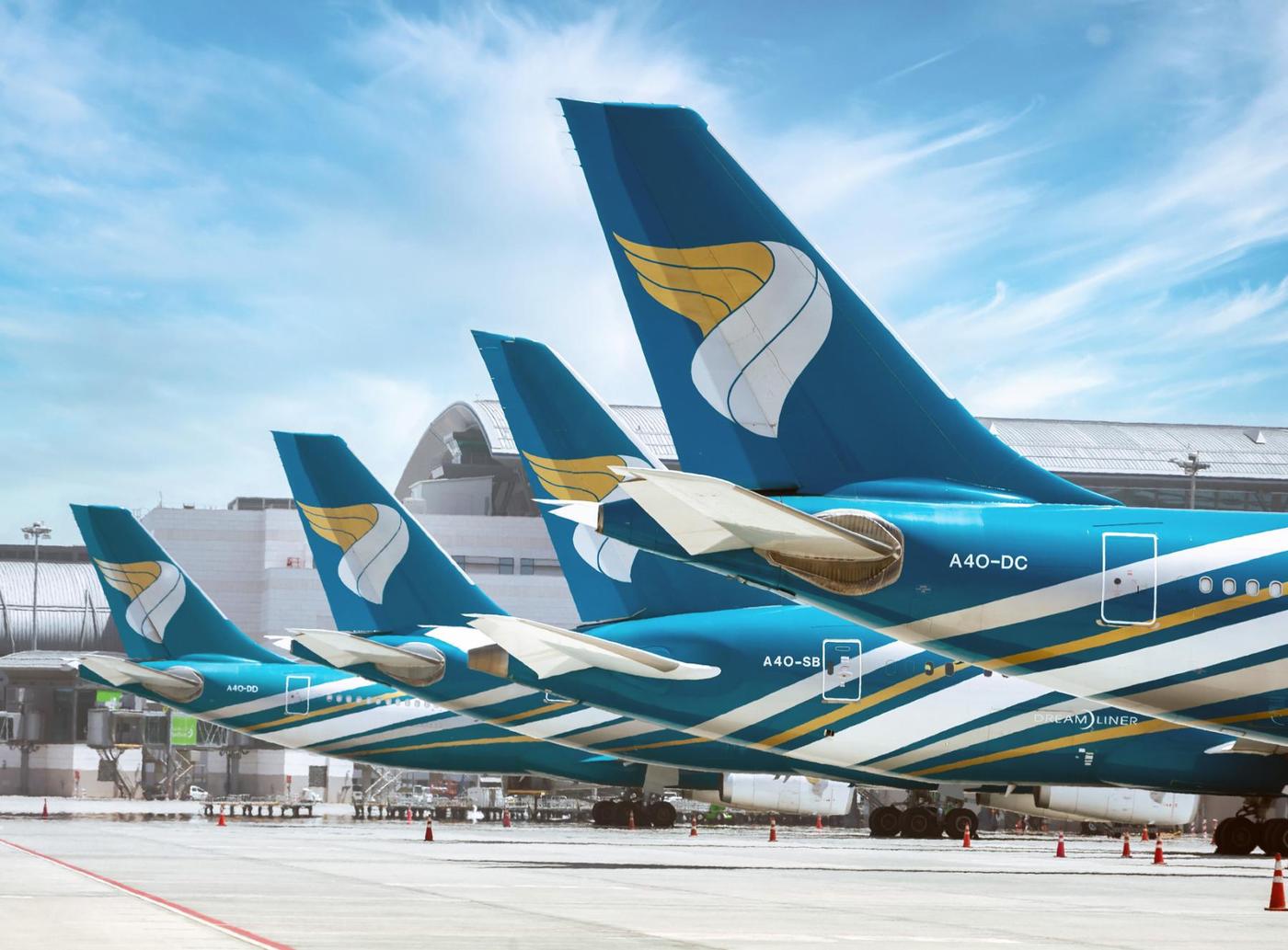
Oman Air’s announcement targeted specific routes rather than indicating a systemwide shutdown, and the airline said other flights continued to operate, even as disruption spread across multiple hubs.
The cancellations come as carriers around the Gulf adjust flying patterns around regional airspace closures that can ripple through airline timetables, airport handling and connections, even when an individual route remains open.
Airlines typically need to manage aircraft and crew rotations across multiple airports, which means the loss of one station can disrupt inbound aircraft, displace crews and narrow options for onward connections.
With several Gulf operators also pausing services, the choices available to re-accommodate passengers can tighten quickly, especially for travelers holding itineraries that involve transits or onward legs on partner airlines.
Oman Air said “the safety and well-being of guests and crew remain our highest priority” as it monitored the situation with relevant authorities.
Affected passengers can manage or amend bookings through Oman Air’s website or mobile application, the airline said, as travelers begin rearranging plans around the March 4–6 cancellations.
The carrier is offering rebooking options or refunds in line with its disruption policy, and it allows passengers to reschedule to alternate dates by March 20.
How a change gets processed can depend on where a ticket was purchased, Oman Air said, with different handling for direct-booked tickets compared with bookings made through travel agencies or online travel agencies.
Tickets purchased directly with the airline can be managed through its own channels, while agency-sold itineraries often require the seller to make amendments, which can add time when multiple carriers pause flights at once.
Limited inventory can become an immediate constraint, particularly on the first available departures after a disruption, and passengers with connections can face knock-on effects if a replacement flight does not align with an onward itinerary.
Oman Air’s cancellations unfolded alongside a broader series of suspensions by other Gulf carriers, tightening regional capacity and complicating re-accommodation across shared hubs and overlapping routes.
Qatar Airways suspended all operations to and from Doha due to Qatari airspace closure, with an update expected by March 4 at 9am Doha time.
Gulf Air suspended operations due to Bahraini airspace closure, and it said a status update is expected by March 4 at 11am Bahrain time.
Kuwait Airlines suspended all commercial flights at Kuwait International Airport following damage from a drone strike on Terminal 1.
SalamAir, Oman’s low-cost carrier, suspended services to the UAE, Doha, Dammam, Kuwait, Iraq and Iran.
Those pauses can matter even for passengers who are not starting their trips in the affected cities, because transits, codeshares and airline re-accommodation options often depend on partner networks that run through the same hubs.
When multiple carriers suspend operations at once, airlines can have fewer seats to offer on alternate routings, and travelers may also find that reticketing becomes harder if an itinerary spans more than one operator.
Travelers adjusting bookings during a fast-moving disruption typically need to re-check entry and transit requirements before committing to new routings, especially if a replacement itinerary changes where they connect.
Oman Air said other flights are operating as scheduled, though it cautioned that some delays remain possible during the period.
Delays can occur even when flights continue, as airspace constraints can force reroutes and longer flying times, while congestion at airports can slow turnaround and ground handling.
Operational variability can also build through a day as aircraft arrive late, crews time out, or a flight needs to wait for an available departure slot, even if the route itself stays open.
Oman Air framed its approach around safety and coordination, reiterating that it was monitoring conditions and working with relevant authorities as it managed the disruption.
For passengers, the most immediate dates to track are the cancellation window of March 4 through March 6, 2026, and the March 20 deadline to reschedule to alternate dates under the airline’s disruption policy.
The regional update cadence also matters for travelers making near-term decisions, with Qatar Airways pointing to an update expected by March 4 at 9am Doha time and Gulf Air indicating a status update expected by March 4 at 11am Bahrain time.
With conditions changing quickly across the Gulf’s network of hubs, passengers typically rely on airline notifications and airport advisories to decide whether to wait for services to resume, seek rebooking options, or request refunds where eligible.