(Mexican parents across Oklahoma who have children born in the United States 🇺🇸 are making more calls and trips to the Mexican Consulate in Oklahoma City to secure Mexican dual citizenship for their kids, a “Plan B” that families say feels like a safety net at a tense political moment.)
The rush has been fueled by social media posts and talk-radio chatter about a proposed bill in Washington, the Exclusive Citizenship Act of 2025, even as immigration lawyers and consular staff stress that U.S. law allows dual citizenship and that no federal ban is in place.
Why families are acting now
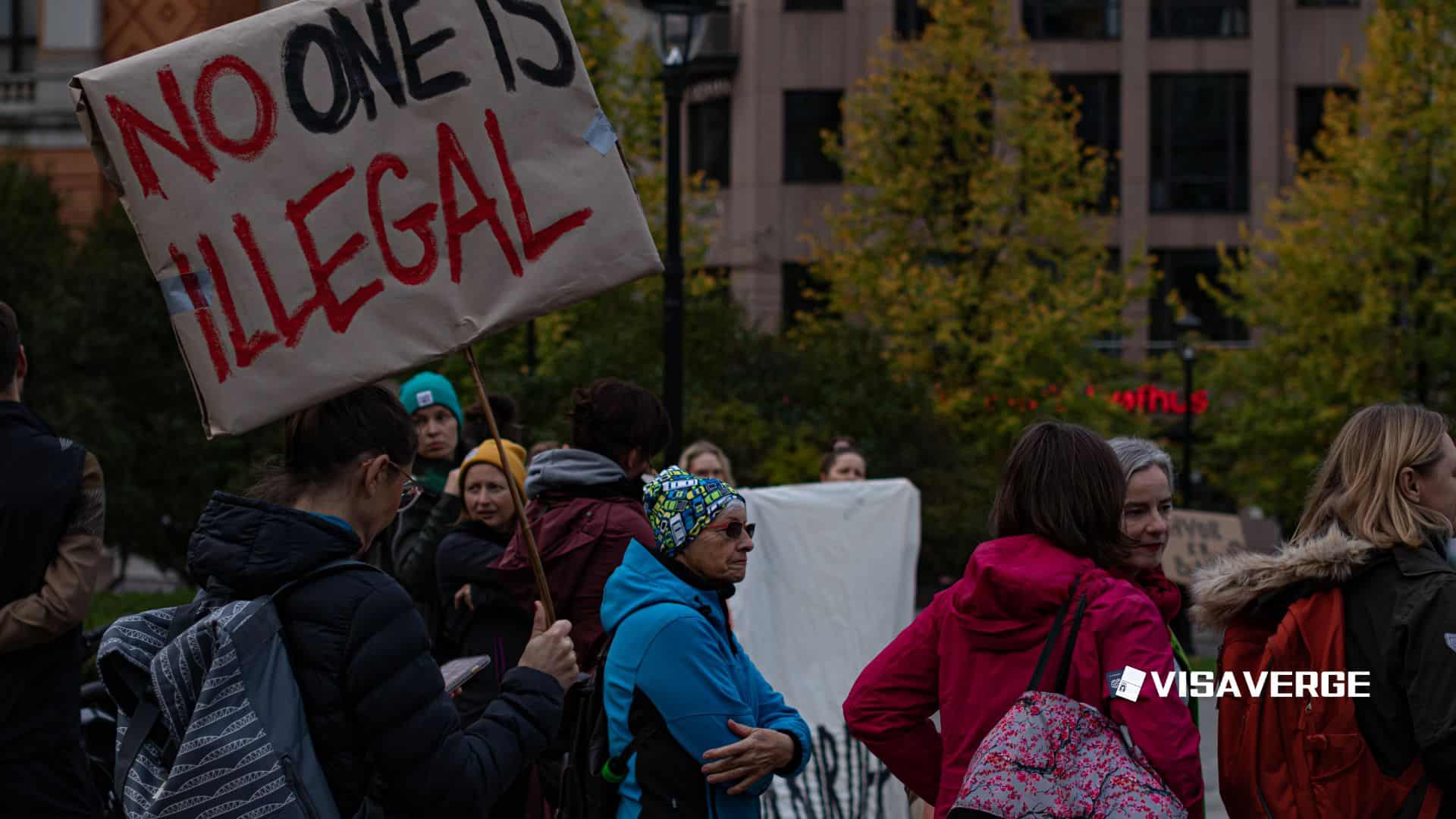
Parents describe seeking Mexican dual citizenship as a form of insurance—not because they plan to leave the U.S., but because they want to preserve options for their children if political or economic conditions change.
- The proposed bill (introduced by Senator Bernie Moreno of Ohio) has raised fears by suggesting future dual citizenship could be barred, current dual nationals might be required to renounce one nationality, and a federal registry could be created.
- Experts cited in the source call the measure highly unlikely to pass due to lack of broad support, but the attention alone has already changed behavior in Oklahoma.
- Many families are trying to “lock in” options while current rules remain clear.
“Plan B” decisions often rise when a proposal goes viral—even when the legal landscape has not changed—because families feel they cannot afford to be caught unready.
Legal situation: U.S. and Mexico
- U.S. law permits dual citizenship. The United States does not require a citizen to give up U.S. citizenship just because they also hold another nationality.
- U.S. citizens can naturalize in another country (including Mexico) without losing U.S. citizenship or facing penalties, according to the source.
- Official U.S. guidance (updated November 17, 2025) advises Americans to contact the foreign country’s consulate to check eligibility. That guidance is available at Dual Nationality.
Important practical rule:
– A dual national must use a U.S. passport to enter and leave the United States 🇺🇸, even if they also hold a Mexican passport.
| India | China | ROW | |
|---|---|---|---|
| EB-1 | Apr 01, 2023 ▲31d | Apr 01, 2023 ▲31d | Current |
| EB-2 | Jul 15, 2014 ▲303d | Sep 01, 2021 | Current |
| EB-3 | Nov 15, 2013 | Jun 15, 2021 ▲45d | Jun 01, 2024 ▲244d |
| F-1 | May 01, 2017 ▲174d | May 01, 2017 ▲174d | May 01, 2017 ▲174d |
| F-2A | Feb 01, 2024 | Feb 01, 2024 | Feb 01, 2024 |
Mexico’s rules:
– Mexico allowed dual nationality starting in 1998.
– Parents are seeking Mexican birth certificates for U.S.-born children born after 1998 so those children can be recognized as Mexican nationals and claim rights in Mexico (property, inheritance, easier residency, schooling, work).
The local picture in Oklahoma
Oklahoma’s Mexican community is substantial and multi-generational—about 400,000 Mexican nationals in the state, including first-, second-, and third-generation families, migrants with and without work permits, and people who already hold two passports.
Consulate activity:
– The Mexican Consulate in Oklahoma City opened in 2023 and is located at 1131 W Sheridan Ave.
– The office reports it has handled over 100,000 procedures since opening.
– Consular services include registering a child for a Mexican Birth Certificate (Dual Nationality), issuing passports, and providing other identity documents.
– Services are available to Mexican nationals and dual citizens, including undocumented people.
– No appointment is needed during posted hours: 7 a.m.–1 p.m., Monday–Friday.
Access improvements:
– Distance has been a barrier—Tulsa residents are more than 100+ miles from Oklahoma City.
– A mobile consulate unit now visits Tulsa periodically, helping families who cannot take a full day off work, arrange child care, or travel long distances.
– Reducing logistical hurdles often makes the difference between completing an application and postponing it.
Common questions and reassurances
Families have asked:
– “Will I lose U.S. citizenship?”
– “Should I pause my process?”
Current answers:
– Dual citizenship is permitted under present U.S. policy.
– There is no evidence of retroactive punishment for people who already have dual citizenship.
– Applications already underway are not affected by the proposed bill as of now.
Advice from services:
– Providers such as DNExpress have advised families to keep going rather than freeze mid-process, because current law still protects dual status and the benefits can last a lifetime.
Why this matters to families
Parents say the goal is to add another layer of legal identity for their children—so they can:
- Study and work in Mexico more easily
- Buy and inherit property
- Live with relatives without being treated only as visitors
- Access consular protection and basic rights in Mexico
These are practical, long-term considerations—less about immediate political panic and more about ensuring future options for children.
Key takeaways
- United States currently permits dual citizenship.
- Mexico recognizes dual nationality for many children born after 1998.
- The proposed Exclusive Citizenship Act of 2025 has created fear but is considered unlikely to pass by experts cited in the source.
- The best place to confirm eligibility and get paperwork started is the relevant consulate—locally, the Mexican Consulate in Oklahoma City on Sheridan Avenue in Oklahoma City, which has become a busy stop for families seeking to give their children options.
Families in Oklahoma, led by Mexican parents of U.S.-born children, are pursuing Mexican dual citizenship amid concern over the proposed Exclusive Citizenship Act of 2025. Although U.S. law permits dual nationality and experts view the bill as unlikely to pass, the surge reflects precautionary planning. The Mexican Consulate in Oklahoma City, opened in 2023, has processed over 100,000 procedures and offers mobile visits to Tulsa to ease access for busy families.