

Key Takeaways
- On January 28, 2025, Idaho lawmakers urged the Supreme Court to reconsider Obergefell v. Hodges, part of a broader state-level push.
- Overturning Obergefell would enable states to reinstate pre-2015 marriage bans, creating legal uncertainties for same-sex couples in affected areas.
- The Respect for Marriage Act (2022) requires states to recognize existing marriages but does not guarantee universal same-sex marriage rights.
Recent developments in the United States have reignited debates over LGBTQ rights, focusing particularly on the legal protections for same-sex marriage established in the 2015 Supreme Court decision, Obergefell v. Hodges. Efforts in several states to challenge this ruling have raised alarms among advocates and same-sex couples, who fear that a reversal of this decision could lead to the loss of key rights gained over the last decade. This article examines the legal, social, and political implications of these unfolding challenges.
Renewed State-Level Challenges to Obergefell v. Hodges
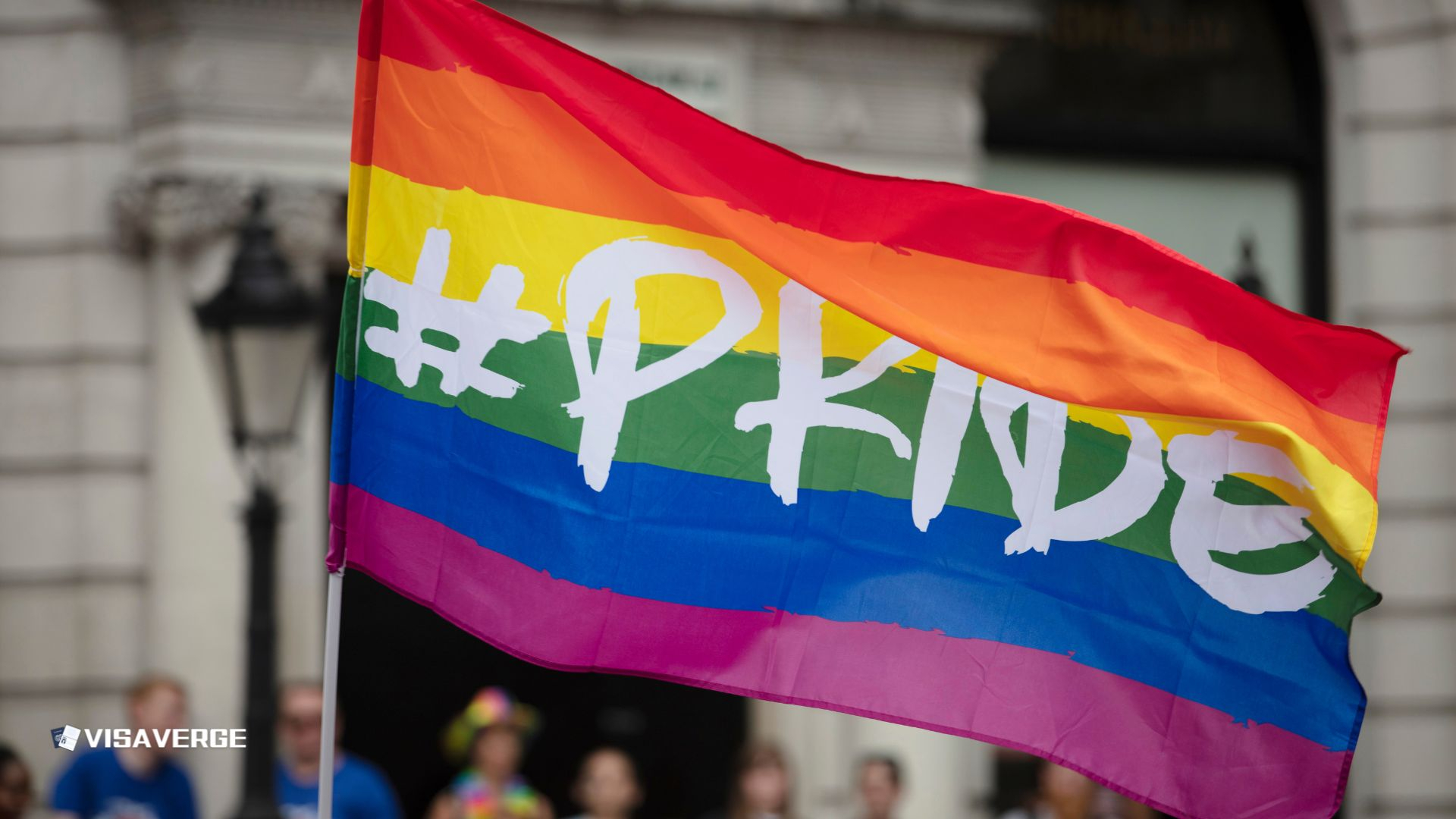
On January 28, 2025, lawmakers in Idaho approved a resolution urging the Supreme Court to reconsider its decision in Obergefell v. Hodges, which declared same-sex marriage a constitutional right under the equal protection and due process clauses of the 14th Amendment. Idaho’s move is part of a broader trend, with similar legislative efforts emerging in Montana 🇺🇸, North Dakota 🇺🇸, and South Dakota 🇺🇸. These states are advocating for a re-examination of the Court’s 2015 decision, citing its incompatibility with what they view as traditional definitions of marriage.
In Michigan 🇺🇸, the situation intensified further. On February 25, 2025, Republican Representative Josh Schriver, supported by 12 co-sponsors, unveiled plans to propose a resolution directly challenging the Obergefell ruling. Schriver described the decision as being at odds with Michigan’s constitutional values and argued it undermines the “sanctity of marriage.” If adopted, these resolutions would not directly overturn the landmark ruling, but they could set the stage for new legal challenges to same-sex marriage rights.
Legal Context of the Pushback
The renewed focus on Obergefell stems partly from a concurring opinion by Associate Justice Clarence Thomas in the 2022 Dobbs v. Jackson Women’s Health Organization case. In his opinion, Thomas suggested reconsidering several substantive due process precedents, including Obergefell; Lawrence v. Texas, which invalidated laws prohibiting sexual conduct between individuals of the same sex; and Griswold v. Connecticut, which struck down restrictions on contraceptive use.
While overruling Obergefell would not federally ban same-sex marriage, it would allow states to revert to their pre-2015 laws. In Michigan, for instance, a 2004 constitutional amendment prohibiting same-sex marriage would automatically take effect, creating legal uncertainty for same-sex couples. Such a scenario demonstrates the fragile nature of LGBTQ rights in states with historical bans on gay marriage.
The Role of the Respect for Marriage Act
To counter the potential risks posed by challenges to Obergefell, Congress enacted the Respect for Marriage Act, signed into law by President Biden in 2022. This federal legislation provides limited protections by ensuring that same-sex and interracial marriages are recognized nationwide if they were legally performed in the past or in jurisdictions where such unions remain legal. However, it does not establish a universal right to same-sex or interracial marriage across all states. If Obergefell is overturned, states could theoretically refuse to issue marriage licenses to same-sex couples while still being required to recognize marriages certified elsewhere. Advocates emphasize that this patchwork protection may leave millions of people vulnerable if discriminatory marriage laws are reinstated at the state level.
Shifts in Public Opinion
Despite the legal challenges, public opinion on LGBTQ rights remains broadly supportive. According to a 2024 Gallup poll, 69% of Americans believe same-sex couples should be allowed to marry legally, while 64% view same-sex relationships as morally acceptable. These figures underscore a growing acceptance of LGBTQ couples in American society—a significant shift from just two decades ago. This public support contrasts with the renewed push by certain lawmakers and states to rollback or restrict same-sex marriage rights.
Critics of the efforts to challenge Obergefell have been outspoken. Sarah Warbelow, vice president for legal affairs at the Human Rights Campaign, questioned the constitutionality of Idaho’s resolution, calling it “a futile attempt to undo a historic victory for equality.” Similarly, Curtis Hertel, Michigan’s Democratic Party Chair, labeled Schriver’s resolution as “a dangerous attack” on Michigan citizens who serve as teachers, soldiers, and community leaders. Advocacy groups and political opponents argue that the efforts to restrict marriage equality are inconsistent with the values of fairness and inclusivity supported by a majority of Americans.
LGBTQ Communities Prepare for Uncertainty
In light of potential legal shifts, LGBTQ communities and their allies are taking action to safeguard the rights of same-sex couples. For example, in Rochester, New York 🇺🇸, the First Universalist Church organized a mass marriage event called “Big Gay Wedding.” This initiative allowed hundreds of couples to formalize their relationships, especially those who might face challenges if legal conditions change. Reverend Lane-Mairead Campbell, who officiated the ceremonies, emphasized the enduring importance of celebrating love, regardless of future legal decisions. “We still have the ability to do this,” Campbell stated, underscoring the resilience of LGBTQ communities in the face of mounting challenges.
Events like these illustrate not only the commitment of LGBTQ advocates to preserve their hard-won rights but also the importance of community solidarity during times of uncertainty. Volunteer-run initiatives such as the Rochester marriage event provide support to couples while symbolically affirming the value of inclusive and equal relationships.
Legal and Political Process
It is crucial to understand that the Supreme Court cannot directly revisit Obergefell v. Hodges without a new case challenging its precedent. While state resolutions like those in Idaho or Michigan may express dissatisfaction with the decision, they lack the legal authority to force the Court’s hand. However, these initiatives could pave the way for lawsuits or new legal disputes that might eventually reach the Supreme Court, potentially reopening the debate on same-sex marriage rights.
Experts note that the judicial process for overturning a precedent like Obergefell would be lengthy and complex, involving multiple layers of litigation before any reversal is possible. Even so, the risk posed by these challenges has galvanized LGBTQ advocates to prepare for possible legal battles and to educate communities about their rights under existing state and federal laws.
Future Considerations
The ongoing efforts to challenge Obergefell highlight the precarious balance between state and federal authority when it comes to marriage laws. Although the Respect for Marriage Act offers some protections, its limited scope underscores the potential vulnerabilities faced by same-sex couples if the broader constitutional protections provided by Obergefell were to be undone. The debate also underscores a broader societal divide in the United States over the definition of marriage, the scope of individual rights, and the role of government in personal relationships.
As reported by VisaVerge.com, LGBTQ advocates have called for renewed vigilance and proactive measures to defend equal marriage rights. Community leaders emphasize the importance of staying informed, rallying political and legal support, and using every available resource to ensure the safety and stability of same-sex families.
Conclusion
The challenge to Obergefell v. Hodges through state-level resolutions and legislative proposals raises important questions about the future of LGBTQ rights in the United States. While federal safeguards like the Respect for Marriage Act provide some degree of protection, the fight for marriage equality is far from settled. Advocacy groups, same-sex couples, and allies are bracing for potential legal challenges ahead, calling for unity and preparation in the face of uncertainty. As LGBTQ rights continue to evolve, the coming years may prove pivotal in defining the legal and social landscape for millions of Americans. For authoritative updates and resources on same-sex marriage laws, visit the United States Department of Justice’s official website here.
Learn Today
Obergefell v. Hodges → A 2015 U.S. Supreme Court decision establishing same-sex marriage as a constitutional right under the 14th Amendment.
14th Amendment → A part of the U.S. Constitution guaranteeing equal protection and due process rights to all individuals under the law.
Respect for Marriage Act → A 2022 federal law ensuring recognition of legal same-sex and interracial marriages across U.S. states and jurisdictions.
Substantive Due Process → A constitutional principle allowing courts to protect individual rights deemed fundamental, even if not explicitly mentioned in the Constitution.
Concurring Opinion → A written opinion by a judge agreeing with a court’s decision but offering different reasons for the judgment.
This Article in a Nutshell
Renewed challenges to Obergefell v. Hodges spark concerns among LGBTQ advocates. Several states urge the Supreme Court to reconsider same-sex marriage rights, despite strong public support. Though the Respect for Marriage Act offers partial protection, advocates warn of potential legal uncertainties. Unity and vigilance remain crucial in safeguarding hard-won equality for millions.
— By VisaVerge.com
Read more:
• U.S. Revokes Visas of Costa Rican Lawmakers, Stirring Diplomatic Tensions
• Texas Lawmakers Push for Voter Citizenship Proof
• US Visa Rules Tightening for Chinese Nationals: Lawmakers’ Security Concerns
• Why the EB-5 Program’s Rules Can’t Be Changed Without Congress
• Judges Voice Alarm Over U.S. Marshals’ Shift to Immigration Enforcement


