- USCIS has slashed the frequency of naturalization ceremonies in Minnesota due to new security directives.
- A 39-country pause is blocking final approvals for many applicants who have already passed their interviews.
- Voter registration at ceremonies has plummeted by over 95% since early 2025 due to the bottleneck.
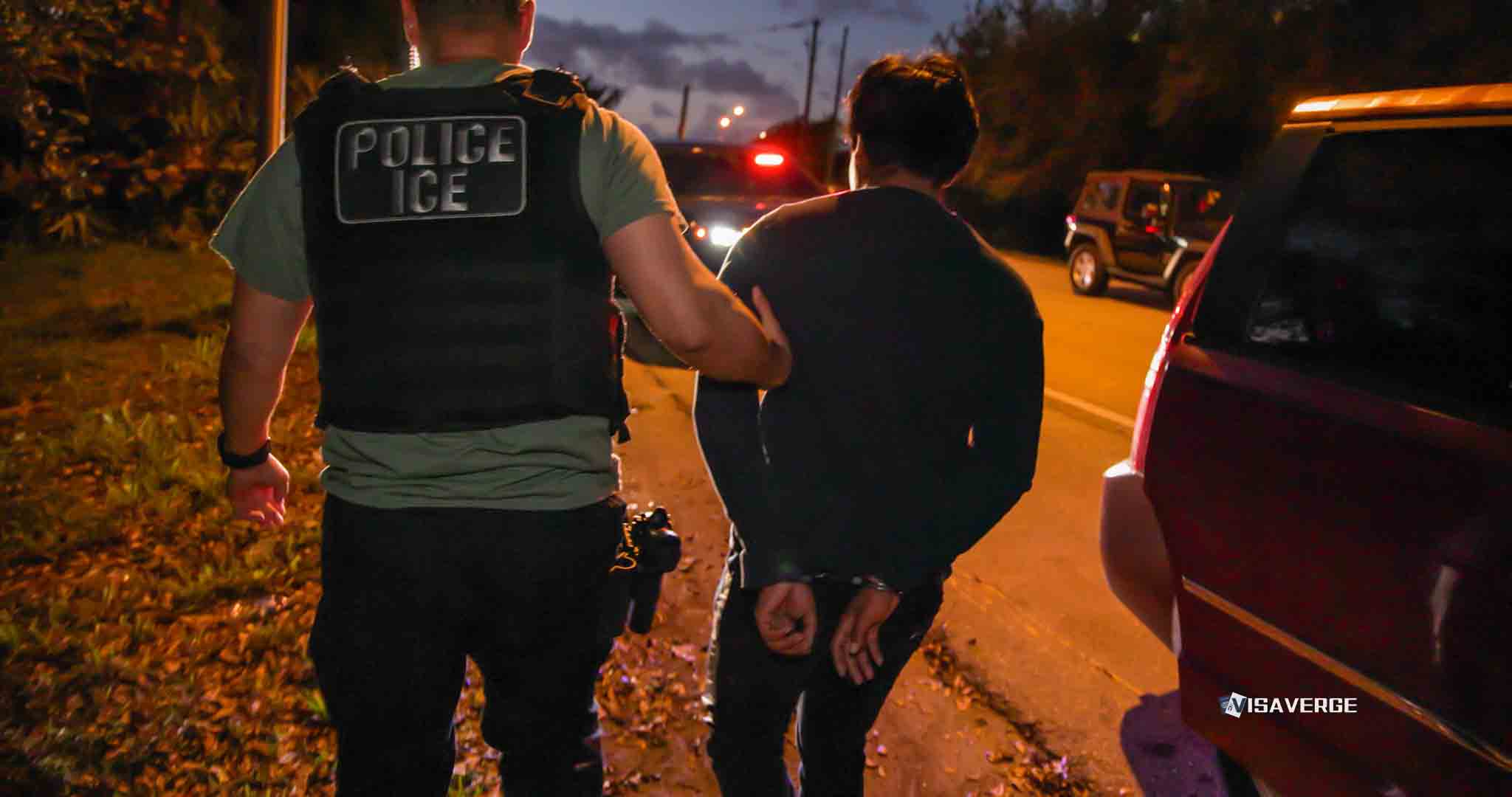
(MINNESOTA) — U.S. Citizenship and Immigration Services cut the pace of naturalization oath ceremonies in Minnesota as new national security directives and anti-fraud operations reshaped processing, leaving many applicants stuck after passing interviews and civics tests.
The slowdown, confirmed as of April 10, 2026, has reduced a routine final step in the citizenship process to a bottleneck for immigrants across the state. In Minnesota, where large diaspora communities include people from countries swept into the new rules, the drop has carried immediate consequences for applicants who cannot vote, travel on a U.S. passport, or petition for certain family members until they take the oath.
USCIS tied the shift to stricter vetting. “The agency is implementing ‘rigorous screening and vetting processes,’ including expanded background checks, stricter English requirements, and efforts to ensure applicants demonstrate ‘good moral character.’ Locally, these enhancements are necessary to ensure the integrity of the naturalization process,” a USCIS spokesperson said in a formal statement on April 10, 2026.
Those measures form part of a broader national security effort, the agency said.
On January 1, 2026, USCIS issued `Policy Memorandum PM-602-0194`, titled “Hold and Review of USCIS Benefit Applications Filed by Aliens from Additional High-Risk Countries.” The memo directs officers to place an “adjudicative hold” on pending applications for nationals of 39 “high-risk” countries and to conduct a comprehensive re-review of benefit requests approved on or after January 20, 2021, for individuals from those nations.
That policy landed in Minnesota alongside federal fraud investigations in the Minneapolis-Saint Paul region. In January 2026, DHS announced Operation PARRIS, or Post-Admission Refugee Reverification and Integrity Strengthening, in Minnesota after what officials described as earlier fraud-focused enforcement activity in the state.
A DHS spokesperson called Minnesota “ground zero for the war on fraud” after Operation Twin Shield, a September 2025 surge that investigated over 1,000 cases in the Twin Cities for “fraud or ineligibility indicators.”
The numbers show how sharply oath ceremonies have slowed. The League of Women Voters of Minnesota reported a drop from approximately four ceremonies per month in early 2025 to one per month in 2026.
Voter registration at those ceremonies fell even faster. In March 2025, the League registered 1,037 new citizens; in January 2026, the number dropped to 38; in March 2026, it was 52.
Those figures capture the effect of fewer ceremonies, but they also reflect a growing queue of people who have reached the final stage of naturalization without crossing it. Applicants have continued to attend interviews, complete civics and English testing, and in some cases receive word that they are “recommended for approval,” only to see the process stop before an oath date is completed.
For many, the disruption comes at the last step. Reports from Minnesota describe applicants receiving cancellation notices for their oath ceremonies with little explanation, and others being pulled out of line at field offices moments before their scheduled ceremony because of automated holds in the USCIS system.
The policy behind that interruption traces to what immigration lawyers and applicants describe as the “39-Country Pause.” Following Presidential Proclamation 10998 on Dec 16, 2025, USCIS halted final adjudications for nationals of 39 countries, including Somalia, Ethiopia, Afghanistan, and Syria.
Minnesota has large diaspora communities from several of those countries. That has made the state one of the places where the pause has been felt most sharply.
Under the adjudicative hold, USCIS may continue to interview applicants, but officers cannot issue a final approval or schedule an oath ceremony for people on the restricted list until a comprehensive security review is complete. That distinction has created a class of applicants who have effectively finished the visible part of the naturalization process but remain unable to become citizens.
The legal pressure point arrives after the interview. Under 8 U.S.C. § 1447(b), applicants can ask a federal judge to take jurisdiction if USCIS does not adjudicate a naturalization application within 120 days after the interview.
Minnesota attorneys have reported a rise in those “120-day clock” lawsuits as delays mount. The filings reflect a shift from ordinary complaints about backlogs to court action aimed at forcing a decision.
For applicants, the practical costs are immediate. Until they take the oath, they cannot vote in U.S. elections, cannot travel on a U.S. passport, and cannot petition for certain family members.
That gap between recommendation and citizenship has turned oath ceremonies into a fault line in Minnesota’s immigration system. A ceremony usually closes the process in public view, with new citizens often leaving the room registered to vote and ready to exercise rights that had been out of reach. With ceremonies reduced, each cancellation now carries more weight.
The League of Women Voters of Minnesota’s registration data offers one of the clearest snapshots of that change. When 1,037 new citizens registered in March 2025, ceremonies still took place roughly four times a month. By 2026, with ceremonies down to one a month, the registration totals fell to 38 in January and 52 in March.
Federal officials have framed the slowdown as a matter of screening and integrity, not a suspension of naturalization itself. The USCIS statement pointed to expanded background checks, stricter English requirements, and a closer review of whether applicants show “good moral character.”
At the same time, the January memorandum widened review beyond pending naturalization cases. It also directed a comprehensive re-review of benefit requests approved on or after January 20, 2021, for individuals from the listed countries, broadening the scope of scrutiny in a way that reaches past new filings.
That overlap between anti-fraud operations and citizenship processing has made Minnesota a focal point. DHS launched Operation PARRIS, and USCIS previously announced Operation Twin Shield results tied to large-scale fraud investigations.
USCIS also set out the hold policy in Policy Memorandum PM-602-0194. Together, the initiatives have linked local naturalization delays to a national security framework and a regional fraud crackdown.
The impact has not fallen evenly across applicants. Nationals of the 39 countries face the most direct barrier because final adjudications remain halted while security reviews continue.
Even outside that group, the broader push toward more rigorous screening has changed the pace and atmosphere of naturalization in Minnesota. Oath ceremonies, once a regular and predictable event on the calendar, have become less frequent and less certain.
That change is visible not only in courthouse and field office schedules but also in the state’s civic life. Oath ceremonies are often the point where immigrants become voters, and the decline in ceremonies has sharply reduced the number of people registering at those events.
In the Minneapolis-Saint Paul region, where federal authorities concentrated anti-fraud operations, the overlap has been especially pronounced. Operation Twin Shield investigated over 1,000 cases in the Twin Cities, and Operation PARRIS followed in January 2026 with a new DHS push in Minnesota.
Officials have presented those efforts as necessary to protect the system from fraud and ineligibility. Applicants caught in the holds have faced a different reality: they have completed the steps they were asked to complete, yet remain unable to take the final oath.
The resulting limbo has turned a ceremonial milestone into a waiting game with no clear end date for many people. Some have reached the ceremony site and then been stopped. Others have watched their scheduled oath disappear after they were already told they were recommended for approval.
Minnesota’s experience now reflects a broader change in how citizenship cases move from interview room to oath ceremony. Screening rules, country-based holds, and fraud investigations have converged at the last stage of naturalization, and the effect is stark in a state where oath ceremonies once ran several times a month.
For applicants still waiting, the line between legal permanent resident and citizen now rests on a ceremony that has become far harder to reach.