- A collision between an Air Canada Jazz jet and a fire truck at LaGuardia killed two pilots.
- Investigators are focusing on air traffic control coordination and potential staffing shortages during the emergency.
- Audio recordings reveal a controller ordered the truck to stop moments before the fatal impact occurred.
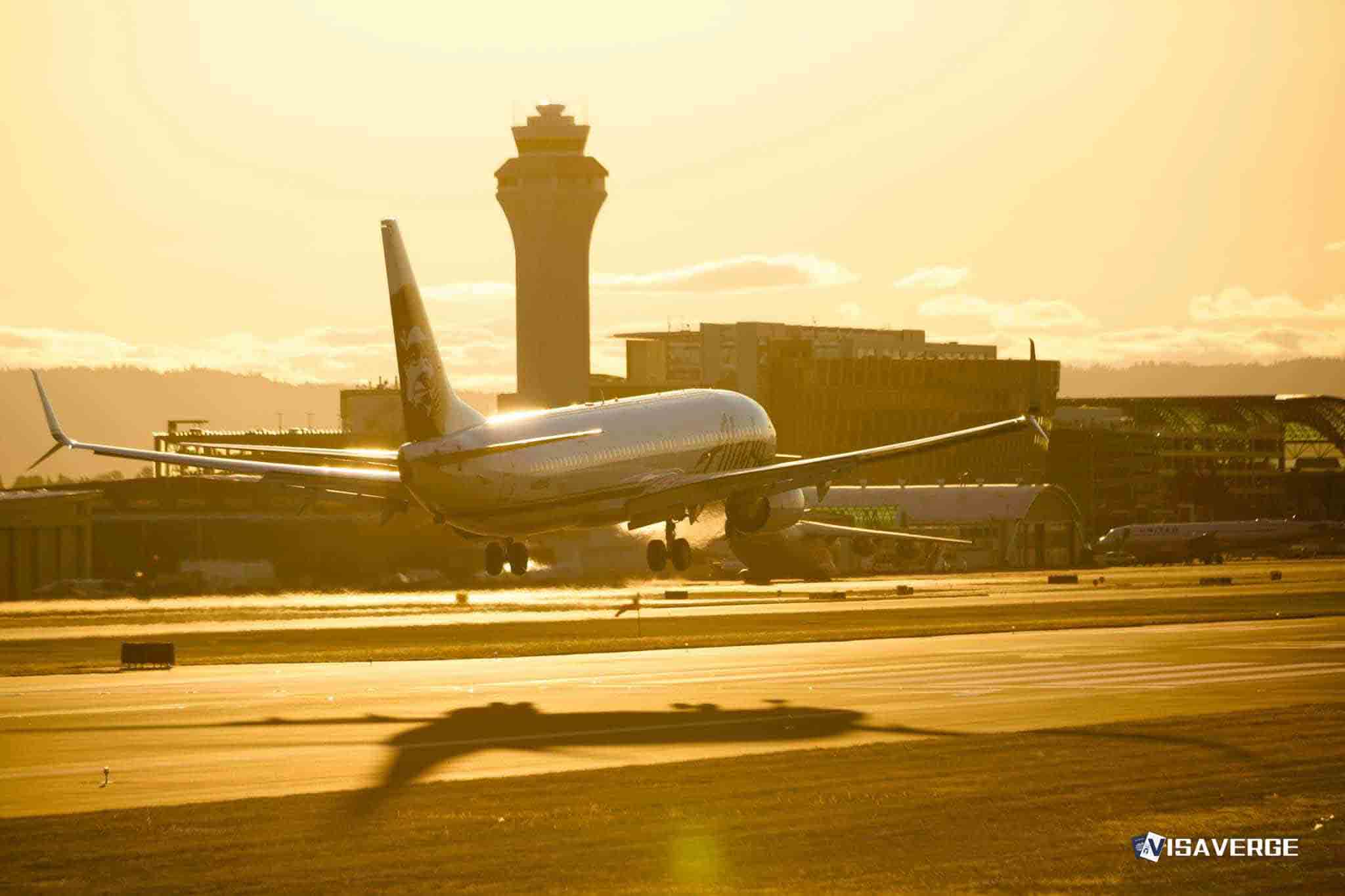
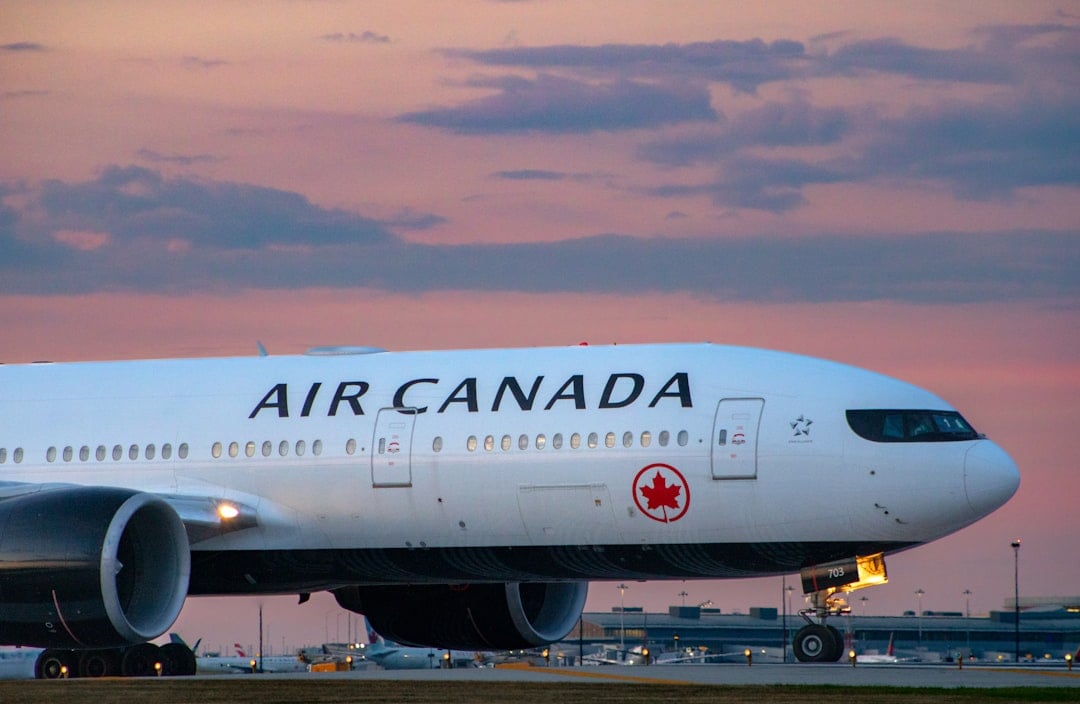
(NEW YORK, USA) — Investigators are focusing on air traffic control coordination after an Air Canada Jazz Aviation regional jet struck a Port Authority fire truck on Runway 4 at LaGuardia Airport late on March 23, killing both pilots and injuring dozens of other people.
The crash happened at about 11:45 p.m. local time as Flight AC4952 arrived from Montreal-Pierre Elliott Trudeau International Airport with 72 passengers and 4 crew members on board. The fire truck, identified as Truck 1, was crossing the runway while responding to a separate United Airlines flight that had reported an odor issue.

Early investigators’ attention has centered on communications, staffing and workload in the tower, along with the sequence of approvals that put the aircraft and the truck on the same runway at the same time. National Transportation Safety Board investigators recovered the plane’s two data recorders and are reviewing tower tapes, controller actions and whether the fire truck received a stop command.
Audio from the control tower captured the urgency in the final moments before impact. The unnamed controller first cleared the truck to cross, then ordered it to halt, saying, “Stop, stop, stop, Truck 1. Stop, stop, stop.”
Roughly 20 minutes later, the controller said, “We were dealing with an emergency earlier. I messed up.” Another voice responded, “No, man, you did the best you could.”
That exchange is now part of a broader inquiry into how air traffic control coordination functioned during a period of elevated activity at one of the country’s busiest airports. Investigators are examining how communications flowed between the tower, the aircraft and emergency vehicles, and how staffing and workload may have shaped decisions on runway access.
The inquiry also involves U.S. and Canadian authorities. Canada dispatched investigators after the collision, and the NTSB had planned a Monday evening news conference as officials worked through the first public stage of the investigation.
John Goglia, an American aviation consultant, said the fire truck’s presence on the runway would be central to the case.
“The fire truck was in a location that it wasn’t supposed to be at that time. So how it got there uh will be the focus of the investigation right from the get-go,” Goglia said.
Goglia also noted that Port Authority trucks typically carry three firefighters, raising questions about whether staffing affected the emergency response. He did not present that as a finding, and the official investigation remains under way.
Chris Van Cleave, a transportation correspondent, said investigators are likely to look closely at staffing, workload and the split communications environment between ground crews and flight crews. Controllers and the truck used one frequency, while the pilots used another, meaning, “those pilots never heard that fire truck be cleared to come across the runway,” he said.
Van Cleave said workload may have risen sharply because the tower was handling the United emergency, incoming flights and ground movements at the same time. That combination, he said, will likely be part of the review of controller decisions and runway access approvals.
Mary Schiavo, former DOT Inspector General, said the incident also fits a broader pattern in aviation safety, where risk does not end after takeoff or before landing.
“some of the most horrific air crashes in history happen on the ground at the airport,” Schiavo said.
LaGuardia Airport has an advanced surface surveillance system that likely triggered an alarm heard in the tower audio, alerting controllers to the conflict. The system can warn of a developing runway conflict, but it does not verify that a clearance was proper before an aircraft or vehicle enters a runway.
That distinction matters at a field where tightly managed surface movements leave little room for error. In a case like this, investigators are expected to weigh whether the alert came early enough to help and how controllers responded once it did.
Transportation Secretary Sean Duffy said 33 certified controllers were on duty against a goal of 37, with multiple controllers working the overnight shift that the Federal Aviation Administration deemed adequate despite chronic shortages. Those staffing figures have taken on added weight as investigators examine workload in the minutes before the collision.
The FAA reported 1,636 runway incursions in the prior year. That number provides a backdrop for the questions now being asked at LaGuardia, where aircraft, service vehicles and emergency equipment move through a compact and closely controlled airfield.
The human toll became clearer by Monday morning. The crash killed both Canadian-based pilots, whose names had not been released, and injured roughly 40 passengers and crew.
Most of those injured had been released by Monday morning. Nine remained hospitalized with non-life-threatening injuries.
Two Port Authority employees in the truck were also hurt. One was released, while the other remained under observation.
Among the injured was flight attendant Solange Tremblay, who suffered multiple leg fractures after being ejected while still strapped to her seat. Her daughter, Sarah Lépine, called it “a total miracle” and said “she definitely has a guardian angel.”
Passenger Rebecca Liquori described the force of the impact inside the cabin.
“Everybody just jolted out of their seats. People hit their heads. People were bleeding,” Liquori said.
Those accounts added a personal dimension to what investigators are treating first as a runway-ground collision with far-reaching safety implications. The collision involved an arriving commercial aircraft and an airport emergency vehicle, putting immediate focus on how the airport’s systems and personnel separated aircraft from ground traffic.
Port Authority Executive Director Kathryn Garcia confirmed details of the crash as airport officials began restoring operations. LaGuardia shut down after the collision and later reopened partially, but the recovery was expected to take days rather than hours.
One runway resumed operations Monday afternoon, though delays continued. Runway 4, where the collision occurred, was expected to remain closed until Friday morning.
That partial reopening left travelers facing a disrupted schedule while investigators worked on-scene and in the tower. The closure of one runway at LaGuardia, a tightly scheduled airport with little spare capacity, can quickly ripple through arriving and departing traffic.
Political leaders also weighed in as officials tried to explain the early known facts without getting ahead of the investigation. President Donald Trump called it “a terrible situation. They made a mistake.”
The central question now is whose mistake, or combination of mistakes, led to the collision. Investigators are reviewing not only the controller’s transmissions and actions, but also whether the fire truck heard and could act on the stop order, and how runway access was coordinated in the first place.
The two recovered data recorders are expected to help establish the aircraft’s final moments and the crew’s actions as the jet approached Runway 4. Tower tapes and surface movement information are likely to show how quickly the conflict developed and when controllers recognized it.
Even at this early stage, the case has drawn attention because it sits at the intersection of several persistent aviation safety concerns: runway incursions, controller staffing, emergency response demands and cross-communication between pilots and ground vehicles. Each of those factors can exist in routine operations. Together, they can become dangerous in seconds.
At LaGuardia Airport, where operations depend on precise timing and careful spacing, the investigation is likely to test whether existing systems and procedures were enough to prevent a collision once the fire truck entered the runway. It will also examine whether the airport’s alerting tools and staffing model gave controllers the margin they needed to manage a separate emergency without losing track of the arriving jet.
For families of those on board, those technical questions sit alongside the shock of a routine arrival that turned catastrophic. For the wider aviation system, the answers may shape how airports handle emergency vehicle movements when runways remain active.
By Monday night, the airport had resumed limited operations, the NTSB was preparing to brief the public, and Canadian investigators had joined the inquiry. The clearest account of the impact still came from inside the cabin, where, as Rebecca Liquori put it, “Everybody just jolted out of their seats. People hit their heads. People were bleeding.”