(WASHINGTON, D.C.) Claims spreading online that the Army and the Federal Aviation Administration have “admitted failures” in the January 29, 2025 mid-air collision near Reagan Washington National Airport are not supported by the public record, even as investigators describe a chain of events that ended with 67 deaths above the Potomac River.
What investigators have said so far
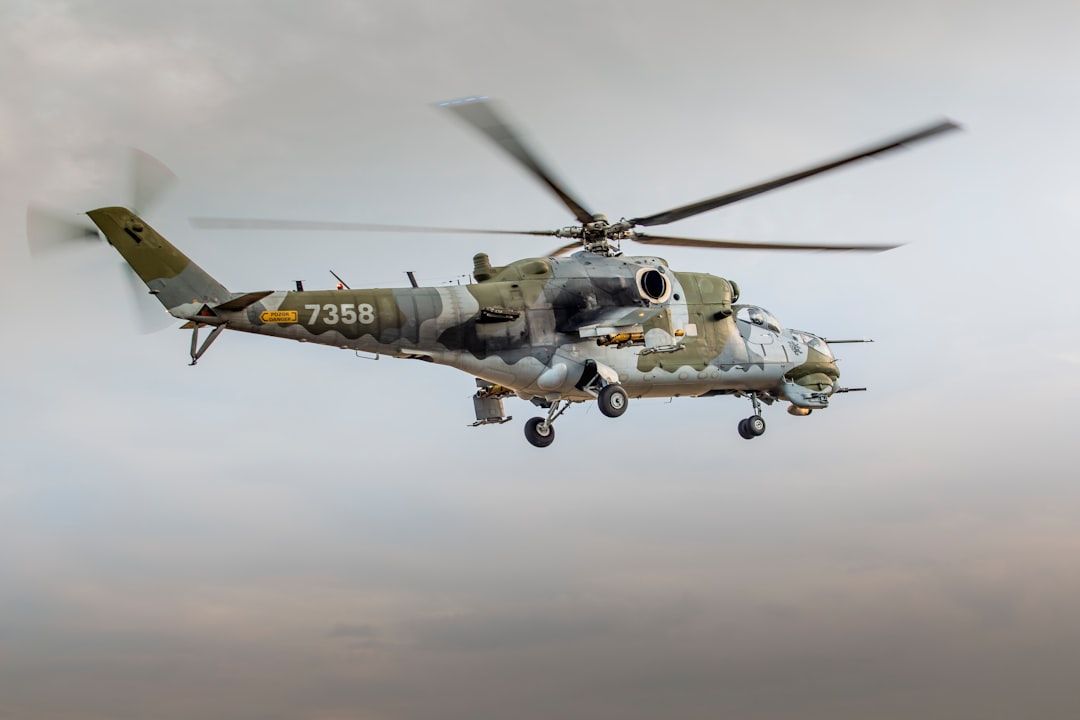
Neither agency has formally accepted blame, and the National Transportation Safety Board (NTSB) has not found probable cause in its investigation, docketed as DCA25MA108. The safety board issued a preliminary report on March 11, 2025, and held an investigative hearing on July 30, 2025, but said all aspects of the crash remain under review.
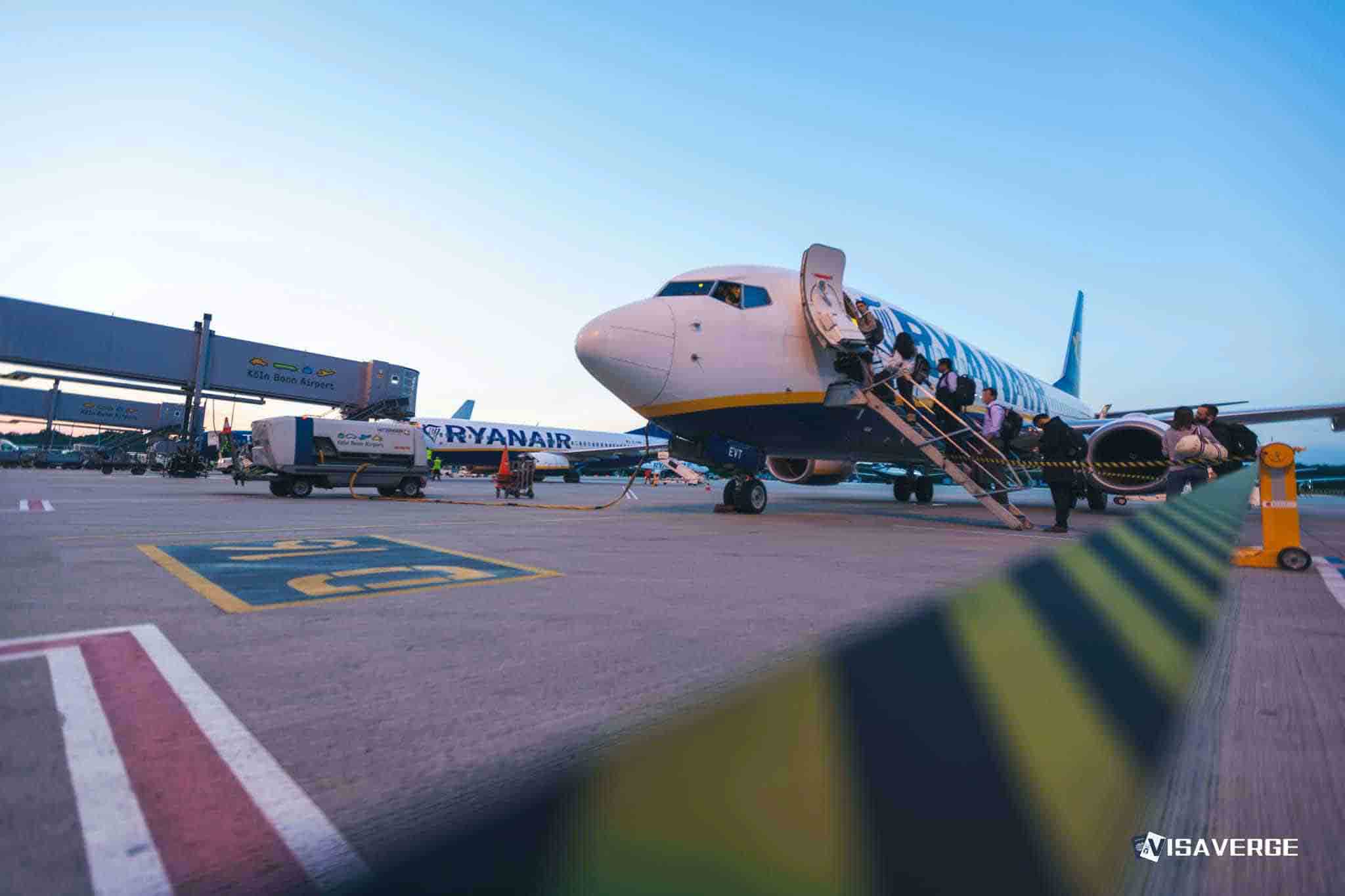
The collision happened at 8:47:59 p.m. EST on January 29, 2025, when a PSA Airlines Bombardier CRJ700 operating as American Airlines Flight 5342 struck the United States Army Sikorsky H-60 Black Hawk helicopter during approach.
NTSB Chairwoman Jennifer Homendy said on February 14, 2025 that data from the aircraft and air traffic control showed the impact at 278 feet of altitude, about 2,400 feet short of Runway 33.
Homendy also noted limits to what is known based on early downloads from cockpit voice recorders and flight data. She said:
- The helicopter crew reported visual contact with the airliner twice.
- Investigators are examining whether the crew were watching the wrong aircraft or missed a key tower call because of a microphone issue.
Mission and evidence under review
The Black Hawk was on a night vision goggle training flight from Davison Army Airfield, according to the NTSB’s summary of the mission.
The NTSB has not released a final sequence of cockpit actions and has stressed that early facts can change as more evidence is checked. Items being reviewed include:
The NTSB has not established probable cause yet. A preliminary report was issued March 11, 2025, and the investigation continues; early facts may change as more evidence is reviewed.
- Radar tracks
- Radio transmissions
- Maintenance records
- Crew training histories
- Cockpit voice recorder audio from both aircraft
- Air traffic control communications
Investigators are also specifically examining whether a microphone problem prevented the helicopter crew from hearing the tower and why the crew said it had the airliner in sight twice in the minutes before the crash. They are evaluating whether visual separation practices in a busy corridor left too much room for confusion.
FAA response and safety steps taken
The FAA said it began supporting NTSB work on January 30, 2025, the day after the crash, and has repeatedly stated it will not comment on an open investigation while awaiting findings it can act on.
Even without a final report, the FAA moved quickly to change how helicopters use the Potomac River corridor near Reagan Washington National Airport, putting new restrictions in place effective January 30, 2025.
Key actions and timelines:
- January 30, 2025 — FAA began support for NTSB and issued initial restrictions on helicopter use of the corridor.
- March 7, 2025 — NTSB issued urgent recommendations warning of midair collision risks in the same airspace and pressing the FAA to act.
- February 11, 2025 — Runways were reopened as operations resumed under tightened procedures.
- July 1, 2025 — FAA signed a Letter of Agreement with the Pentagon Heliport limiting helicopter activity.
- Further measures were described as being taken under Under Secretary Sean P. Duffy, including:
- Eliminating mixed helicopter and fixed-wing traffic in key areas
- Closing Route 4 near Hains Point
- Requiring military aircraft to use ADS-B Out
- Banning visual separation within five miles of DCA
- Shifting some helicopter routes farther out
- Ordering an independent review of the airport’s airspace
Parties participating in the investigation
The NTSB investigation is being conducted with listed “parties” that include:
- FAA
- The Army
- PSA Airlines
- American Airlines
- Sikorsky
- Others
These parties can provide technical assistance but do not control the findings. The list of parties, announced February 10, 2025, matters because it influences how quickly safety changes can follow and whether fixes apply only around Reagan National or more broadly across helicopter and airline operations.
Community and human impact
For Washington’s immigrant communities and the many foreign visitors who fly into the capital, the aftermath has extended well beyond aviation issues.
- Families in the District, Maryland and Virginia described long nights trying to reach loved ones.
- Some needed help with documents and notifications across borders.
- Lawyers working with mixed-status families said sudden deaths can leave survivors scrambling for proof of identity, custody papers for children, and access to bank accounts — even when the tragedy has nothing to do with immigration enforcement.
VisaVerge.com reports that misleading “admission of fault” claims often spread fastest after disasters, leaving immigrant families abroad unsure which statements are real.
Legal, financial, and operational significance
So far, the FAA’s posture has been that it will act when the investigation points to a safety gap, not that it has settled on who made which mistake. That distinction matters:
- A formal admission can shape liability claims and insurance disputes.
- It can affect how families seek compensation, especially when government employees are involved.
The safety board has repeatedly warned that assigning blame before the evidence is complete can distort witness memories and push agencies toward rushed answers.
What the public is being advised to do
People seeking verified updates have been urged to rely on official sources rather than viral posts. The NTSB posts investigation material and hearing information through its aviation case system.
Don’t trust unverified claims of fault. Premature blame can mislead families and affect claims—wait for official findings before drawing conclusions or sharing statements publicly.
- Track filings tied to DCA25MA108 on the NTSB site at: NTSB Aviation Investigation Search
Final note
For airlines, the crash has renewed attention on how quickly crews can sort out traffic advisories while descending into one of the most constrained pieces of airspace in the country.
For the Army, the training flight is under intense public scrutiny, even though the NTSB has not said the helicopter crew acted improperly.
Until the NTSB issues a final report, the clearest facts remain the time, the altitude and the toll: 67 people who never came home on that winter night.
On January 29, 2025, an Army Black Hawk and American Airlines Flight 5342 collided near Reagan National, killing 67. The NTSB opened investigation DCA25MA108, released a preliminary report March 11, and held a July 30 hearing but has not determined probable cause. FAA imposed corridor restrictions January 30 and later tightened helicopter routes, required ADS-B Out for military aircraft, and limited visual separation while investigators review recordings, radar, maintenance, and training records.