- A Bombardier Challenger 600 crashed during takeoff in Bangor, Maine, resulting in six fatalities.
- Investigators found the aircraft exceeded de-icing holdover times by nearly double the FAA’s recommended limit.
- The crash occurred in extreme winter conditions with temperatures below 3 degrees Fahrenheit and falling snow.
(BANGOR, MAINE) — National Transportation Safety Board investigators released preliminary findings in early March 2026 on a Bombardier Challenger 600 private jet that crashed during takeoff at Bangor International Airport on January 25, 2026, killing all six people aboard after a delay that exceeded recommended de-icing holdover time.
The jet flipped over and caught fire as it attempted to depart runway 33 around 7:45 p.m. Sunday, the preliminary NTSB report said. All six people aboard died.
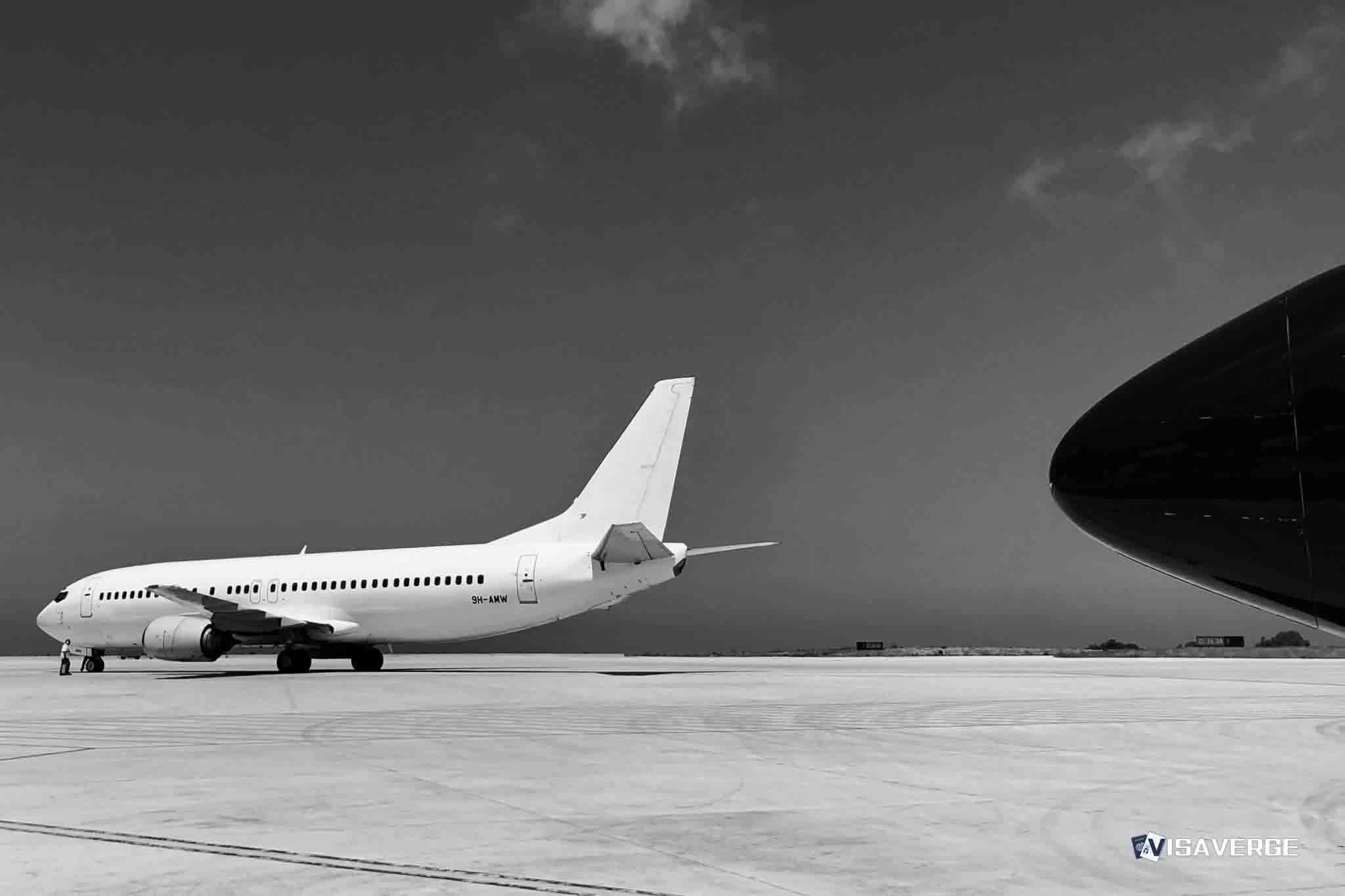
Investigators focused early on timing after de-icing, describing a sequence in which the aircraft spent substantially longer than guidance allows in the wintry conditions that night before it began its takeoff roll. A preliminary report typically lays out confirmed facts and investigative steps taken to date, rather than final conclusions about probable cause.
NTSB investigators said the aircraft remained at the de-icing pad for approximately 20 minutes before taxiing to the runway. The report also gave a total time on the ramp for de-icing operations of 19 minutes, followed by 8 minutes of taxi and takeoff time.
After leaving the de-icing pad, the plane waited an additional 12 to 17 minutes before attempting takeoff, investigators said. That exceeded the FAA’s recommended 9-minute holdover time for the conditions present that night.
Holdover time is a concept used in winter operations to estimate how long de-icing and anti-icing fluids can be expected to prevent contamination from accumulating again on critical aircraft surfaces. When the time between treatment and takeoff stretches beyond recommended windows, investigators often examine whether conditions such as precipitation and temperature could have allowed ice or snow to re-form on wings or tail surfaces before liftoff.
Timing becomes especially important on a night when the de-icing pad, taxi route, and runway environment can place an aircraft back into falling snow or blowing moisture after crews finish spraying. Even when a flight crew and ground personnel complete de-icing according to procedure, a long wait for departure clearance or runway access can raise questions about whether the aircraft remained within guidance intended to keep lifting surfaces clean.
Investigators typically build that picture from multiple sources that document what happened minute by minute. Those sources can include airport records, operator procedures, weather observations, and any available performance information, as well as witness accounts and physical evidence from the wreckage.
The preliminary report described a takeoff attempt that ended abruptly. The aircraft veered right at a ground speed of 152 knots approximately 1,760 meters past the runway threshold, investigators said.
The jet originated in Houston and stopped in Bangor to refuel before continuing to Paris, according to the preliminary findings. The flight was connected to a Houston law firm.
Early investigative attention to de-icing does not, by itself, determine why the aircraft left the runway environment the way it did. NTSB investigators often treat de-icing and holdover time questions as part of a larger chain that can include decisions on the ground, the state of the aircraft just before takeoff, and how the airplane performed as acceleration increased.
Aviation expert Jeff Guzzetti, a former federal crash investigator, pointed to the aircraft model’s record in winter operations. The Bombardier Challenger 600 model “has a history of problems with icing on takeoff” that has caused previous crashes, Guzzetti said.
Guzzetti also noted that even minimal ice accumulation on the wings can cause serious aerodynamic problems. Investigators commonly examine whether any contamination affected the aircraft’s ability to generate lift and maintain control as it approached and passed key speed points in the takeoff sequence.
Another aviation expert, Robert Katz, identified two areas of inquiry that align with what investigators outlined in the early NTSB findings: the holdover time after de-icing and the amount of de-icing chemicals applied. Katz said the extended wait time suggests that ice may have re-accumulated on the aircraft’s wings or tail, potentially compromising aerodynamic performance during takeoff.
In winter operations, the amount and type of de-icing and anti-icing fluids, along with how they are applied, can matter because they are designed to remove existing contamination and then provide temporary protection against additional accumulation. Investigators can compare the reported time spent at the de-icing pad with expected application and inspection steps, and then weigh that against the length of the subsequent delay before the aircraft began its takeoff roll.
The conditions around Bangor that evening put added emphasis on those questions. At the time of the crash, snowfall was just beginning in Bangor, with light but steady accumulation of approximately one-tenth of an inch between midnight and 7 p.m., the preliminary report said.
Temperatures had dropped below 3 degrees Fahrenheit (minus 16 Celsius), and wind speeds were about 10 mph, according to the same account. The airport eventually received nearly 10 inches of snow from the major winter storm.
Low temperatures can add complexity to ground operations because they influence how precipitation behaves on contact with aircraft surfaces and how long protective fluids remain effective. Wind can also play a role in moving moisture and snow across surfaces and in creating conditions on the runway and taxiways that lengthen the time it takes to depart.
NTSB investigators, in preliminary work, generally document what is known about the aircraft’s movements on the ground and the timing of key events, then continue to gather information that can confirm or rule out factors. The early report’s emphasis on a de-icing sequence and a wait that exceeded recommended holdover time reflects that approach: establishing measurable intervals and then comparing them with operational guidance.
The report did not present final conclusions about the crash, and the NTSB’s investigation process typically continues well beyond the release of preliminary findings. Investigators often use the preliminary document to set out the factual record they have confirmed so far, while additional analysis continues and a final report follows later.
For Bangor International Airport, the sequence described in the preliminary findings placed the aircraft in a winter-weather environment where timing became a central fact. The jet spent about 20 minutes at the de-icing pad, then faced an additional 12 to 17 minutes of waiting before attempting takeoff, exceeding the 9-minute holdover time recommended for those conditions.
The crash itself unfolded quickly once the aircraft began its takeoff attempt. The jet veered right at 152 knots and reached a point approximately 1,760 meters past the runway threshold before the accident sequence described in the preliminary report, which said the plane flipped over and caught fire during takeoff.
Investigators also confirmed the human toll with stark simplicity: all six people aboard died. The flight’s connection to a Houston law firm and its routing from Houston, through Bangor as a refueling stop, and onward to Paris placed the accident within a routine pattern of long-distance business aviation travel that relies on intermediate stops.
The NTSB’s continuing work will center on assembling the operational and environmental record around that takeoff attempt, including the decisions and procedures that preceded it. In winter-weather investigations, that often includes scrutinizing the timing between de-icing completion and departure, the documented procedures for applying fluids, and the possibility of contamination returning before takeoff—threads highlighted by both the preliminary findings and the experts cited alongside them.
Weather in Bangor that evening provides the backdrop investigators must account for in any winter operations review: snow beginning to fall with light but steady accumulation earlier in the day, temperatures below 3 degrees Fahrenheit (minus 16 Celsius), winds about 10 mph, and nearly 10 inches of snow at the airport from the storm.