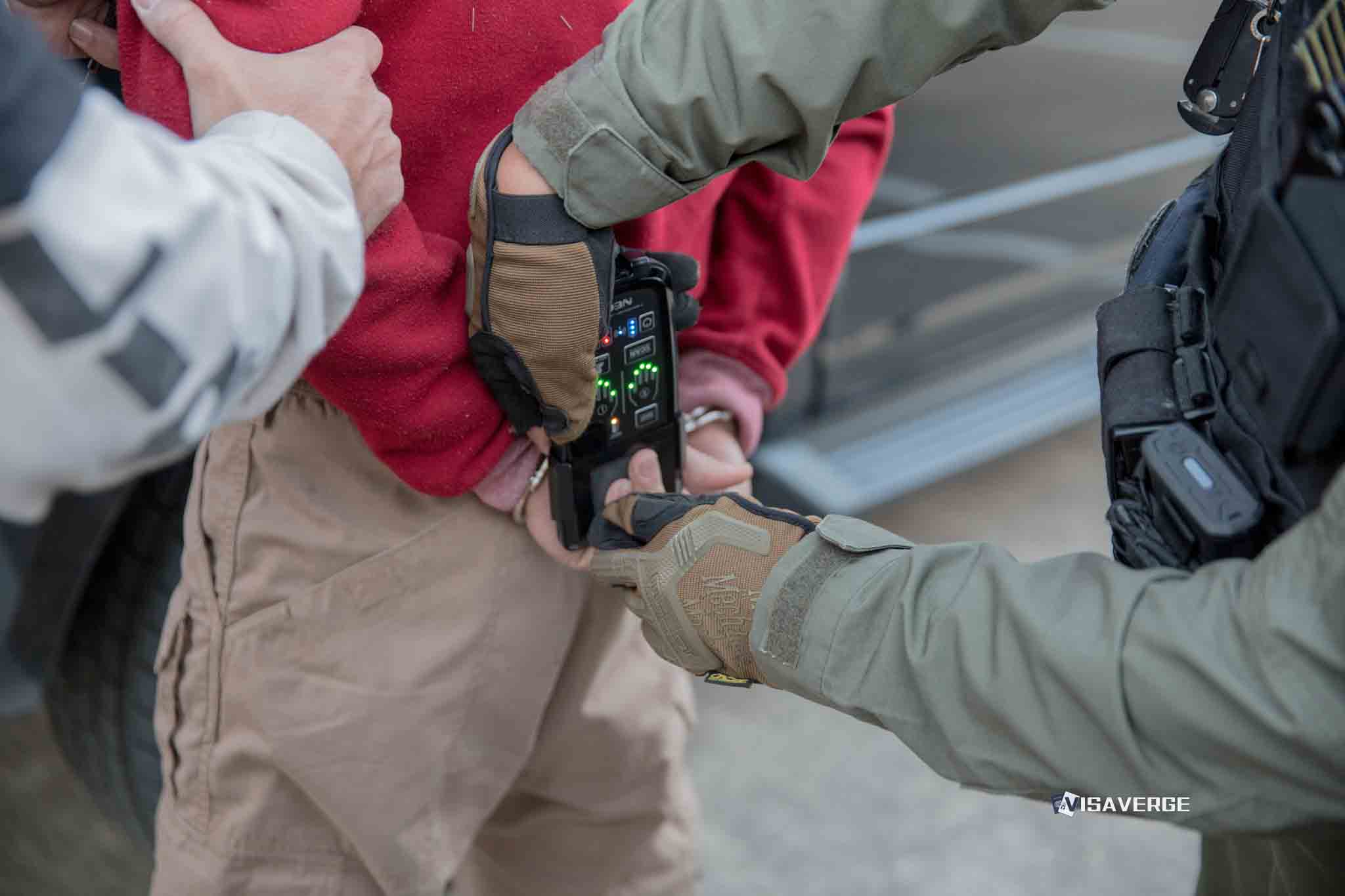
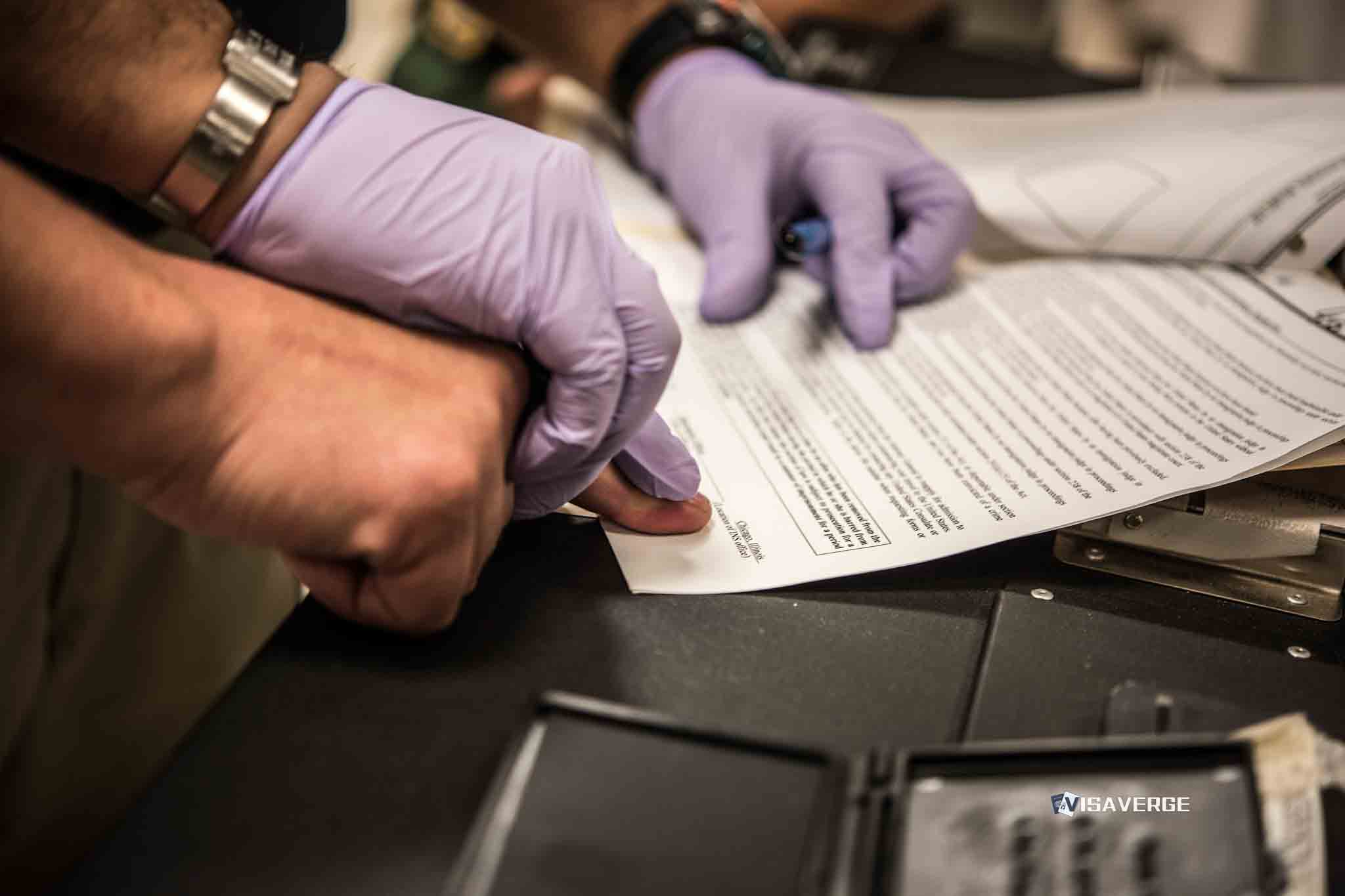
Claims that Christmas carolers have taken to the streets to protest ICE mass deportation efforts are circulating online, but reviews of available reporting show no verified accounts of such holiday-themed demonstrations as of December 14, 2025. That gap has not slowed anxiety in immigrant neighborhoods, where families say the scale of enforcement since President Trump returned to office on January 20, 2025, has changed daily life.
The rumors fit a season when churches and community choirs often rally for charity, yet the documented story is federal enforcement, not carols. Still, the idea reflects fear that any gathering could draw scrutiny.
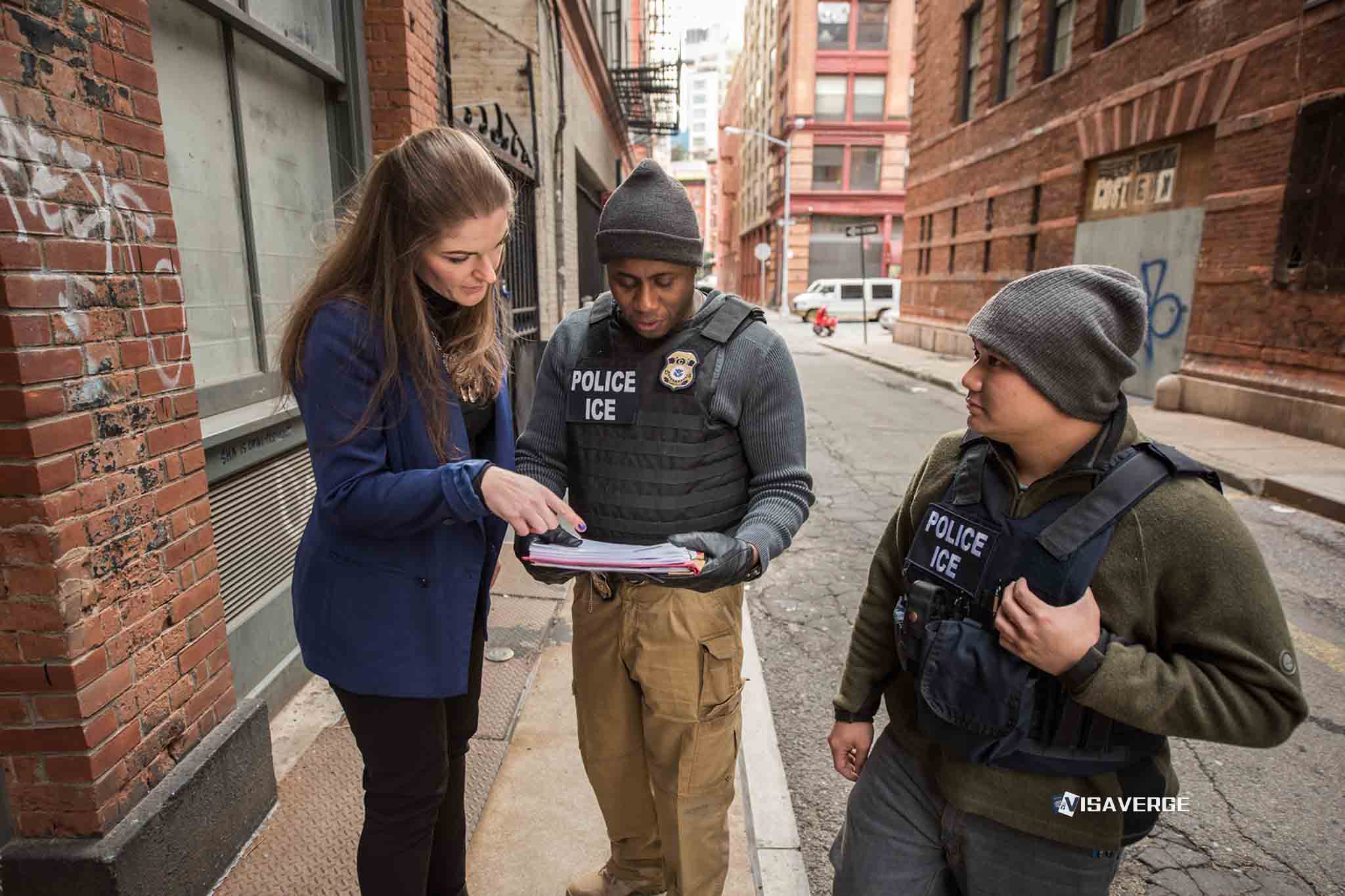
Reported scale of enforcement
Search results describing the administration’s campaign cite 8,877 immigration enforcement flights through September 30, including 1,464 flights in September alone — an average of 49 a day that month.
- Materials describe a shift after May 2025 directives from Kristi Noem and Stephen Miller, calling for warrantless arrests that target 3,000 people per day.
- By mid-October, the same materials say ICE was making over 1,000 arrests per day, with 48% coming from local jails.
- These figures are drawn from media summaries rather than an official release and have been shared by both advocates and critics trying to measure the pace and reach of removals.
Expedited removal, transfers, and legal concerns
Those accounts point to an expanded use of “expedited removal,” a fast-track process that can allow deportation without a full immigration court hearing in some cases. DHS describes the legal framework for expedited removal on its official site here.
| India | China | ROW | |
|---|---|---|---|
| EB-1 | Apr 01, 2023 ▲31d | Apr 01, 2023 ▲31d | Current |
| EB-2 | Jul 15, 2014 ▲303d | Sep 01, 2021 | Current |
| EB-3 | Nov 15, 2013 | Jun 15, 2021 ▲45d | Jun 01, 2024 ▲244d |
| F-1 | May 01, 2017 ▲174d | May 01, 2017 ▲174d | May 01, 2017 ▲174d |
| F-2A | Feb 01, 2024 | Feb 01, 2024 | Feb 01, 2024 |
- The search summaries say third-country transfers have been used, naming Rwanda and El Salvador, and describing transfers to Iran under a U.S.-Iran agreement for up to 400 nationals.
- They also cite raids on sanctuary cities beginning January 23, and report family detention that includes minors.
- Immigration lawyers say these tools increase speed but also raise the risk of errors when people lack counsel.
Community impact and fear
For many immigrants, the details matter less than the sound of a knock at dawn.
- Community groups report people skipping work, avoiding clinics, and pulling children from after-school programs when they hear of ICE activity nearby.
- Legal aid hotlines say calls spike after local raids are rumored, even when they are unconfirmed.
- The source material does not name specific arrested individuals, nor does it document Christmas carolers organizing protests; it instead documents a climate where ordinary acts, like singing in a park or gathering outside a church, can feel risky.
Fear drives much of it: ordinary community gatherings that once felt safe are now perceived as potential triggers for enforcement.
Political and local pushback
State and local leaders have pushed back, arguing the federal approach amounts to mass deportation that harms public safety and family stability.
- Summaries reviewed cite denunciations from California Governor Gavin Newsom, U.S. Senator Alex Padilla, and Assembly Speaker Robert Rivas aimed at broader ICE efforts.
- Their opposition is framed as both a legal and moral dispute over federal actions in cities that limit cooperation.
- Some local officials have tightened rules on jail handoffs and data sharing; others have refused to hold people in custody for ICE.
On December 11, 2025, Jacob Kang-Brown and Brian Nam-Sonenstein of the Prison Policy Initiative analyzed how state and local resistance can slow federal enforcement by:
- Limiting access to people in custody.
- Narrowing when local police notify ICE.
Their point: because nearly half of reported arrests (48%) were said to come from local jails, small policy choices about detainers and transfers can change outcomes. Still, the authors warned federal agents can still make street arrests — a reality that feeds the fear seen in the carolers rumor.
Logistics: flights, transfers, and legal timing
The flight numbers have become shorthand for the campaign’s size.
- Advocacy groups track tail numbers and departure patterns.
- Immigration attorneys say the pace makes it harder to locate clients once they are moved across state lines.
- The source material reports 8,877 flights through September 30, so even a short delay in reaching a lawyer can mean someone boards a plane before family can gather papers.
Practical consequences:
- Relatives often need proof of lawful status or pending cases to seek release, but those documents may be at home, not in a jail.
- Time runs out quickly once transfers begin.
Sanctuary cities and civic life
Raids in so-called sanctuary cities, reported to have started January 23, have reshaped civic life.
- Local officials say they still want residents to report domestic violence, wage theft, and fraud, but many immigrants now fear any contact with government.
- Faith leaders describe half-empty pews and quieter streets.
- This atmosphere helps explain why an image of Christmas carolers confronting ICE can spread — it matches people’s sense of living through a mass deportation drive that touches schools, workplaces, and courthouses.
Despite the spread of the carolers story, the review of sources provided here found no verified holiday protest reports. The claim remains unproven for now.
Concerns about third-country transfers
Third-country transfers have drawn special alarm because they can send people to places they have never lived.
- Summaries cite Rwanda and El Salvador as destinations, and transfers to Iran under an agreement covering up to 400 nationals.
- Lawyers say a transfer can cut someone off from family visits and from the local counsel who filed their case.
- Human rights groups have long questioned whether some receiving countries can keep deportees safe, although the provided material does not supply conditions reports or official safeguards.
For people at risk, even temporary removal can feel like exile.
Practical advice and the importance of verification
According to analysis by VisaVerge.com, the fight over cooperation rules will likely keep playing out in county jails, city councils, and state capitols, even as federal agents push ahead.
Attorneys urge people worried about ICE contact to:
- Keep copies of identity documents and any court papers where family can reach them.
- Ask a trusted person to hold emergency numbers.
- Verify reports of enforcement before acting on rumors.
People who hear about enforcement often ask whether a report is real — this episode shows why verification matters: talk of Christmas carolers facing mass deportation may travel fast, but facts travel slower. In the United States 🇺🇸.
Investigations found no verified reports of Christmas caroler protests against ICE by December 14, 2025. Instead, reporting documents a broad enforcement campaign with 8,877 flights through September 30, increased use of expedited removal, and substantial transfers—including to third countries—raising legal and humanitarian concerns. Nearly half of arrests reportedly originated in local jails, prompting state and local resistance that can slow federal actions. Advocates and lawyers stress verifying reports, keeping documents accessible, and seeking counsel to reduce errors during rapid transfers.