- Airlines are tightening power bank rules for 2026, requiring carry-on storage and specific watt-hour checks.
- EVA Air and Starlux prohibit all in-flight use or charging of portable batteries to prevent fire risks.
- Batteries exceeding 160Wh are banned from passenger flights entirely due to international safety regulations.
(SOUTH KOREA) Air travelers heading into 2026 face tighter rules for power banks, spare lithium batteries, and other portable chargers. The biggest shift is simple: keep them in your carry-on, check the watt-hour rating, and expect airline-specific limits on use and charging.
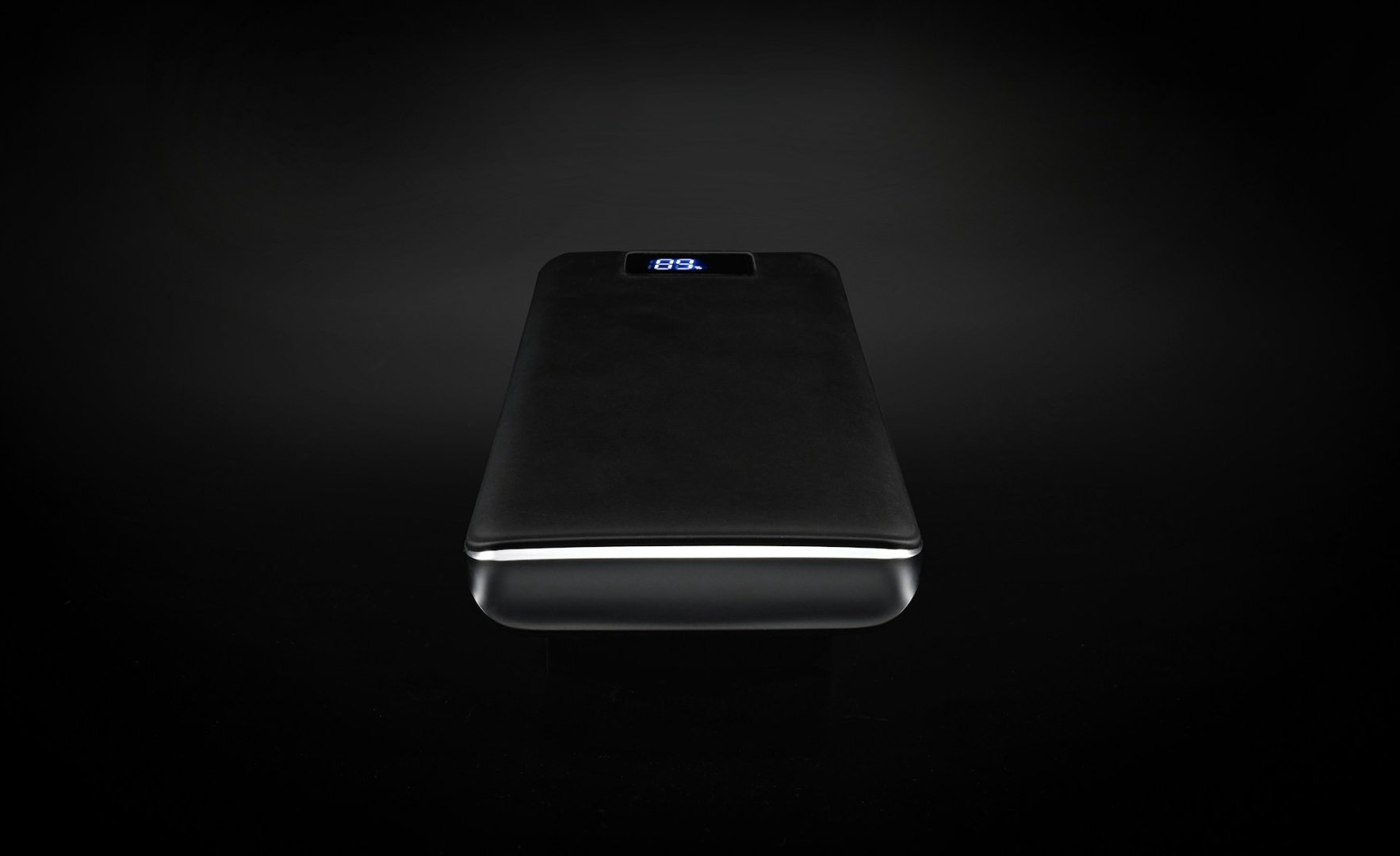
The change matters most for long-haul passengers, business travelers, students, and families who depend on phones, tablets, laptops, or medical devices staying charged in transit. It also matters for anyone flying with EVA Air, because its ban on power bank use and charging remains one of the strictest policies in Asia.
Safety concerns drove the crackdown. Aviation authorities and airlines have responded to fire risks linked to lithium-ion batteries, especially after a January 28, 2025, power bank fire in an overhead bin on an Air Busan flight. South Korea’s Ministry of Land, Infrastructure and Transport then barred overhead-bin storage of power banks and e-cigarettes on South Korean-operated flights from March 1, 2025.
Battery Rules That Still Control the Journey
The core international rule set remains anchored in battery size and baggage location. Passengers can carry power banks under 100Wh in carry-on baggage only. Batteries between 100Wh-160Wh need airline approval before travel. Anything above 160Wh is prohibited on passenger flights.
That framework comes from the International Air Transport Association, and it now shapes airline policies worldwide. Travelers often misjudge their device size because sellers market capacity in milliampere-hours, not watt-hours. A rough guide says 100Wh is about 27,000mAh, but the printed label on the battery is what matters at security.
Carry-on-only storage is not a suggestion. Lithium-ion batteries are kept out of checked baggage because a hidden fire in the cargo hold is harder to detect and stop. Spare batteries should also be protected from short circuits with original packaging, a separate pouch, or tape over terminal ends.
EVA Air’s Stricter Approach
EVA Air took the strongest line in the region. From March 1, 2025, it prohibited passengers from using or charging power banks and spare lithium-ion batteries on all flights. That rule applies throughout the journey, not just during takeoff or landing.
For travelers, the practical effect is clear. A fully charged phone is no longer enough if your route depends on a power bank for mid-flight top-ups. Passengers on EVA Air should arrive ready to last the full trip without relying on a portable charger. Seat power outlets and onboard USB ports become the backup plan, not the power bank itself.
Other airlines are not following the same model. Starlux Airlines has maintained a blanket ban on power bank use and charging since 2018. Tigerair Taiwan prohibits power bank use and rejects unlabelled units without clear specifications. China Airlines and UNI Air recommend protective packaging and advise against use, but they do not impose an outright ban.
Airline Rules Travelers Still Need to Check
North American carriers are also split. American Airlines permits power bank use and charging with prior confirmation from flight attendants. Delta Air Lines allows charging devices with power banks but restricts use during takeoff and landing. That patchwork means the same battery can be acceptable on one ticket and restricted on another.
This is why airline websites now matter as much as airport security rules. A traveler connecting through multiple carriers can comply at one leg and break the rules on the next. According to analysis by VisaVerge.com, the fastest-growing risk for passengers is not the battery itself but assuming one policy works everywhere.
For travelers carrying immigration documents, that mistake can be costly. Missed flights affect visa appointments, consular interviews, and biometric visits. A confiscated or flagged power bank can also add screening time at the exact moment when a connection is already tight.
What Happens Before the Flight
The safest routine is straightforward. First, check the label on every portable charger. Second, confirm whether it falls under 100Wh or the 100Wh-160Wh range. Third, place it in carry-on luggage only. Fourth, review the airline’s specific battery policy before heading to the airport.
Travelers with devices that barely scrape the upper limit should get written approval well before departure. Do not wait until boarding. Gate agents and cabin crew can stop use immediately if a battery does not match the airline’s rules. Unmarked, damaged, or heavily worn power banks are the most likely to draw extra questions.
Passengers should also charge phones, tablets, and laptops before flying. That advice sounds basic, but it now matters more than ever. If the airline blocks in-flight use, or if the aircraft has limited charging points, passengers who left home with low battery levels face a rough trip.
Why the Rules Keep Tightening
Lithium-ion batteries are efficient, lightweight, and everywhere. They also heat up quickly when damaged, poorly made, or exposed to pressure changes. At altitude, that risk becomes a cabin safety issue, not just a personal inconvenience.
Airlines and regulators are reacting to real incidents, not theory. Fires in the cabin create smoke, fear, and immediate operational disruption. A small device in an overhead bin can turn into a full emergency within minutes. That is why more carriers are limiting storage, use, and charging at the same time.
The rules are still moving. The International Air Transport Association advised that lithium-ion batteries used in devices or vehicles should not exceed 30% of full charge during air transport, and that recommendation becomes mandatory on January 1, 2026. The Federal Aviation Administration is also reviewing its battery rules, while airports and airlines in Europe and Asia continue to adjust their screening standards.
A Practical Checklist for 2026 Travel
Before the trip, confirm four things: the battery’s watt-hour rating, the airline’s use policy, the carry-on rule, and whether you need approval for 100Wh-160Wh batteries. That simple check prevents delays, confiscation, and last-minute arguments at the gate.
At the airport, keep the battery visible and easy to inspect. If a power bank lacks clear labeling, security may question it. If you are flying on EVA Air, do not plan to use or charge it at all during the flight. If you are flying on another carrier, treat crew instructions as final.
For official guidance, the U.S. Federal Aviation Administration’s PackSafe page on batteries and portable chargers remains one of the clearest public references. It explains carry-on limits, spare battery rules, and the reason checked baggage is not the right place for lithium-ion cells.
Power banks remain useful travel tools, but only when packed and used with discipline. The new reality is not that flying with batteries has become impossible. It has become more exacting, more airline-specific, and far less forgiving of guesswork at the airport.