- Representative Nellie Pou introduced three bills to limit ICE during the 2026 FIFA World Cup.
- The legislation aims to ban civil immigration enforcement within one mile of tournament matches and festivals.
- New measures would prohibit concealing vehicle identities and refocus federal threat assessments on public safety.
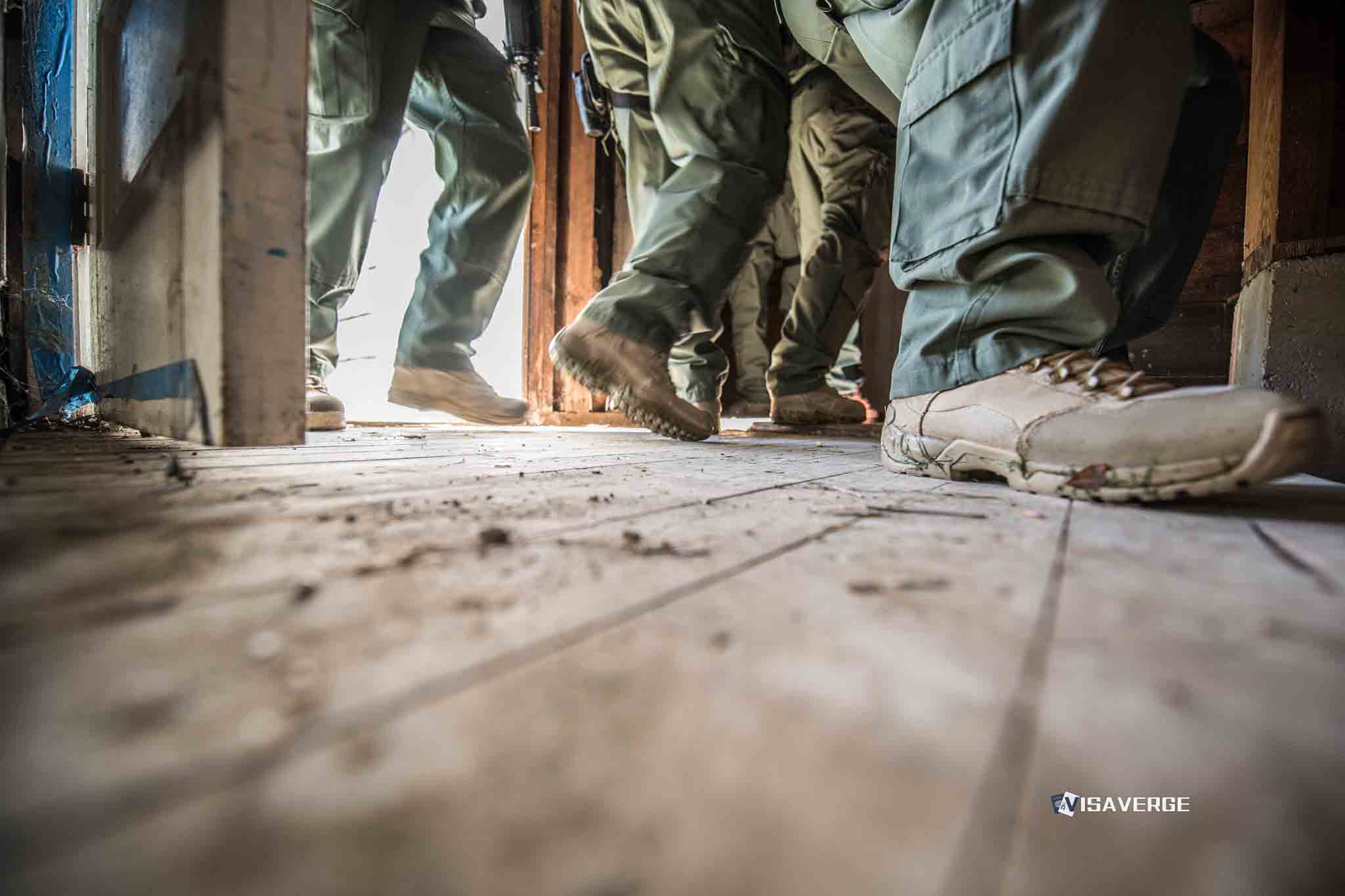
(UNITED STATES) — Representative Nellie Pou introduced a three-bill package on Thursday aimed at limiting Immigration and Customs Enforcement activity around the 2026 FIFA World Cup and increasing public visibility into federal enforcement during the tournament.
Pou, a New Jersey Democrat and the Ranking Member of the House Homeland Security Task Force overseeing 2026 FIFA World Cup security, cast the legislation as a response to unanswered questions about whether federal immigration agents would suspend civil enforcement near matches and Fan Festivals.
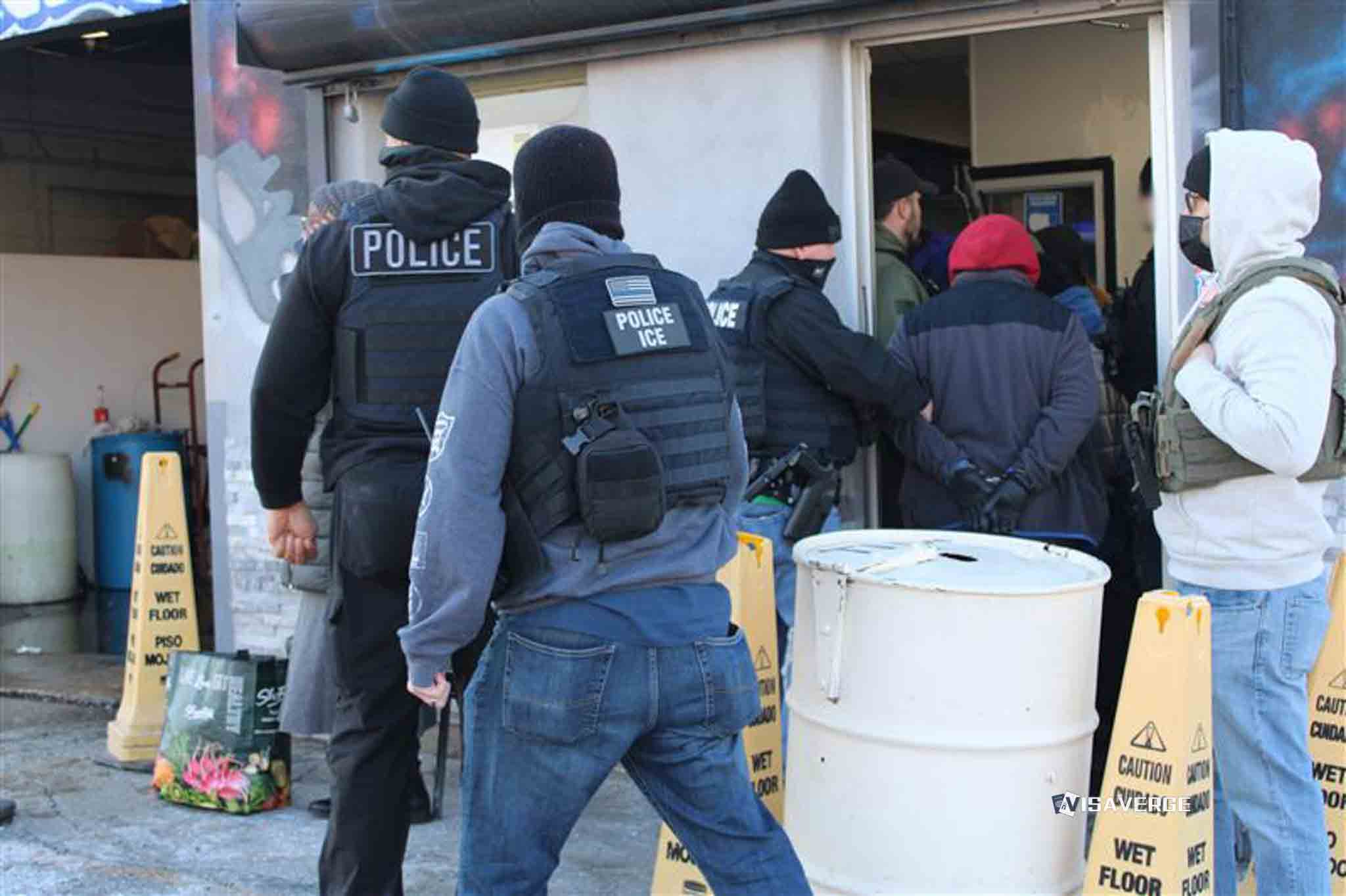
The package, which Pou’s office documented in a House press release issued on March 19, 2026, has become known as Save the World Cup. It seeks to curb immigration raids near tournament sites, bar ICE agents from concealing vehicle identification, and narrow how federal authorities frame threats tied to the event.
The move followed public comments from Todd Lyons, serving as ICE Acting Director, during congressional scrutiny of World Cup preparations in February 2026. Asked about the agency’s role, Lyons said on February 10, 2026: “ICE, specifically Homeland Security Investigations (HSI), is a key part of the overall security apparatus for the World Cup. We are dedicated to securing that operation and we are dedicated to the security of all of our participants as well as visitors.”
Two days later, when Pou pressed him on whether ICE would pause enforcement operations near matches, Lyons did not offer that commitment. Instead, he said: “ICE is dedicated to ensuring that everyone who visits their facilities will have a safe and secure event.”
| India | China | ROW | |
|---|---|---|---|
| EB-1 | Apr 01, 2023 ▲31d | Apr 01, 2023 ▲31d | Current |
| EB-2 | Jul 15, 2014 ▲303d | Sep 01, 2021 | Current |
| EB-3 | Nov 15, 2013 | Jun 15, 2021 ▲45d | Jun 01, 2024 ▲244d |
| F-1 | May 01, 2017 ▲174d | May 01, 2017 ▲174d | May 01, 2017 ▲174d |
| F-2A | Feb 01, 2024 | Feb 01, 2024 | Feb 01, 2024 |
That exchange sits at the center of Pou’s legislative push. Her bills aim to draw a line between tournament security and civil immigration enforcement as federal agencies prepare for one of the largest events ever hosted in the United States.
One measure, the Save the World Cup Act, would prohibit the Department of Justice and the Department of Homeland Security from using federal funds to conduct civil immigration enforcement raids within one mile of any FIFA World Cup match or official Fan Festival. Pou’s office framed the bill as a venue-proximity restriction tied directly to fan attendance and public safety.
A second bill, the PLATE Act, would target the conduct of ICE agents during operations. Formally titled the Prohibiting License-plate Alteration by Tactical Enforcers Act, the measure would forbid agents from hiding or manipulating vehicle license plates to conceal their identities.
The third bill, the Modernizing and Improving the National Terrorism Advisory System Act of 2026, would refocus federal threat assessments for the World Cup on public safety and terrorism rather than civil immigration status. Together, the three measures seek to separate security planning from routine immigration enforcement while adding more transparency to visible federal activity.
The legislative package includes H.R. 7449, the PLATE Act, and H.R. 7448, the Modernizing and Improving the National Terrorism Advisory System Act of 2026. Pou introduced the Save the World Cup Act on March 19, 2026.
Federal officials have framed World Cup preparations in broader security terms in recent weeks. On March 18, 2026, FEMA and DHS announced the release of $625 million in grant funding to 11 U.S. host cities after delays tied to a partial DHS shutdown that began on February 14, 2026.
Karen S. Evans, Senior Official Performing the Duties of the FEMA Administrator, said in that March 18, 2026 FEMA announcement: “The 2026 FIFA World Cup is expected to be the largest sporting event in history, so it must also be the most secure. Through the FIFA World Cup Grant Program, FEMA is providing critical funding—over half a billion dollars—to help state and local authorities protect their communities.”
Andrew Giuliani, Executive Director of the White House Task Force on the FIFA World Cup 2026, said in the same announcement: “This grant program. demonstrates President Trump’s commitment to supporting our partners and ensuring a safe and successful tournament for all.”
DHS has also outlined broader federal preparedness support for the event, including work through the Center for Domestic Preparedness, in department materials on World Cup 2026 support. That backdrop matters because ICE and HSI have been discussed not only as immigration agencies, but also as part of the security structure around the tournament.
World Cup matches in the United States are under consideration for National Special Security Event treatment, a designation that would place the U.S. Secret Service in charge of security. Under that framework, ICE, specifically HSI, has been described as supporting work in targeted areas such as human trafficking prevention and intellectual property rights enforcement involving counterfeit goods.
Pou’s legislation does not seek to rewrite the entire security structure. Instead, it takes aim at how immigration enforcement could unfold in and around places where fans gather, and at how federal agencies define their mission while millions of visitors are in the country.
Her office pointed to more than 379,000 ICE arrests in the past year as evidence that visible immigration operations could shape public behavior during the tournament. Pou also cited projections of 10 million visitors for the World Cup, arguing that aggressive enforcement near venues could deter attendance and reduce cooperation with safety officials.
Supporters of the package say the concern is not abstract. Advocacy groups, including Human Rights Watch, have warned that ICE presence near stadiums and Fan Festivals could create a “chilling effect” for mixed-status families and international fans.
That concern extends beyond attendance figures. Backers of the bills say fans who fear encountering immigration agents may avoid reporting safety concerns, emergencies or suspicious behavior, weakening rather than strengthening public security during a crowded, high-profile tournament.
Host regions also face an economic argument. Organizers in places including Miami and New Jersey have warned that uncertainty around ICE activity could threaten projected gains tied to the tournament, including $3.3 billion in economic activity for the New York/New Jersey region alone.
For Pou, whose district sits in a host region expected to feel both the security burden and the economic benefits of the World Cup, the issue carries local stakes as well as national ones. Her bills tie tournament operations to questions of policing, federal visibility and whether fans will feel safe enough to participate fully in events surrounding the matches.
Supporters have also pointed to earlier crowd-management and safety concerns. Among the incidents cited in the debate are the arrest of an asylum seeker at the 2025 FIFA Club World Cup final at MetLife Stadium and the fatal shooting of two individuals by federal agents in Minneapolis.
Those episodes have sharpened scrutiny of how federal enforcement will appear in public spaces during the World Cup. Pou’s bills seek to answer that by creating geographic limits, identification rules and a narrower legal framework for federal threat advisories.
The proposed one-mile restriction in the Save the World Cup Act is the most direct constraint in the package. By tying the funding ban to official matches and Fan Festivals, the bill would focus on the zones where the largest crowds are likely to gather and where visible enforcement could reverberate fastest among local residents and foreign visitors.
The PLATE Act addresses a different concern: whether agents can obscure who they are during operations. Pou’s office described the bill as a response to what it called recent “militant” enforcement actions in which vehicle plates were hidden or altered.
The National Terrorism Advisory System measure reaches deeper into federal planning language. It would narrow the basis for advisory assessments so that World Cup-related alerts center on public safety and terrorism concerns, rather than civil immigration status.
None of the measures would take effect immediately. The package now moves to committee and congressional consideration, where lawmakers will decide whether the bills advance as standalone legislation or become part of a broader debate over World Cup security, immigration policy and federal authority.
That next step comes as agencies continue to build the tournament’s security architecture. FEMA funding is now flowing to host cities, the White House Task Force is active, and DHS has laid out a preparedness role across the federal government.
At the same time, Pou’s intervention has put one unresolved question squarely before Congress: whether a tournament expected to draw 10 million visitors should unfold with civil immigration enforcement operating near the same stadiums and Fan Festivals that federal officials say they want people to enter freely.
Her answer, at least in legislative form, is now on the table. The official record rests on congressional and agency announcements, and the fight over Save the World Cup will move next from public warnings and agency testimony to the slower test of committee review and floor action.