Key Takeaways
• Nepalese officials sent to KIIT after Prakriti Lamsal’s death to provide counseling and support for Nepalese students.
• KIIT’s evacuation directive for Nepalese students was reversed following diplomatic intervention and criticism from Odisha’s Higher Education Minister.
• A student was arrested for harassment linked to Lamsal’s death, with an ongoing investigation to determine further accountability.
Two officials from the Nepalese embassy ?? in New Delhi have been sent to the Kalinga Institute of Industrial Technology (KIIT) in Bhubaneswar, India ??, following the tragic death of Nepalese student Prakriti Lamsal. Nepal’s Prime Minister K P Sharma Oli announced this action on February 17, 2025, emphasizing efforts to provide emotional and logistical support to affected Nepalese students.
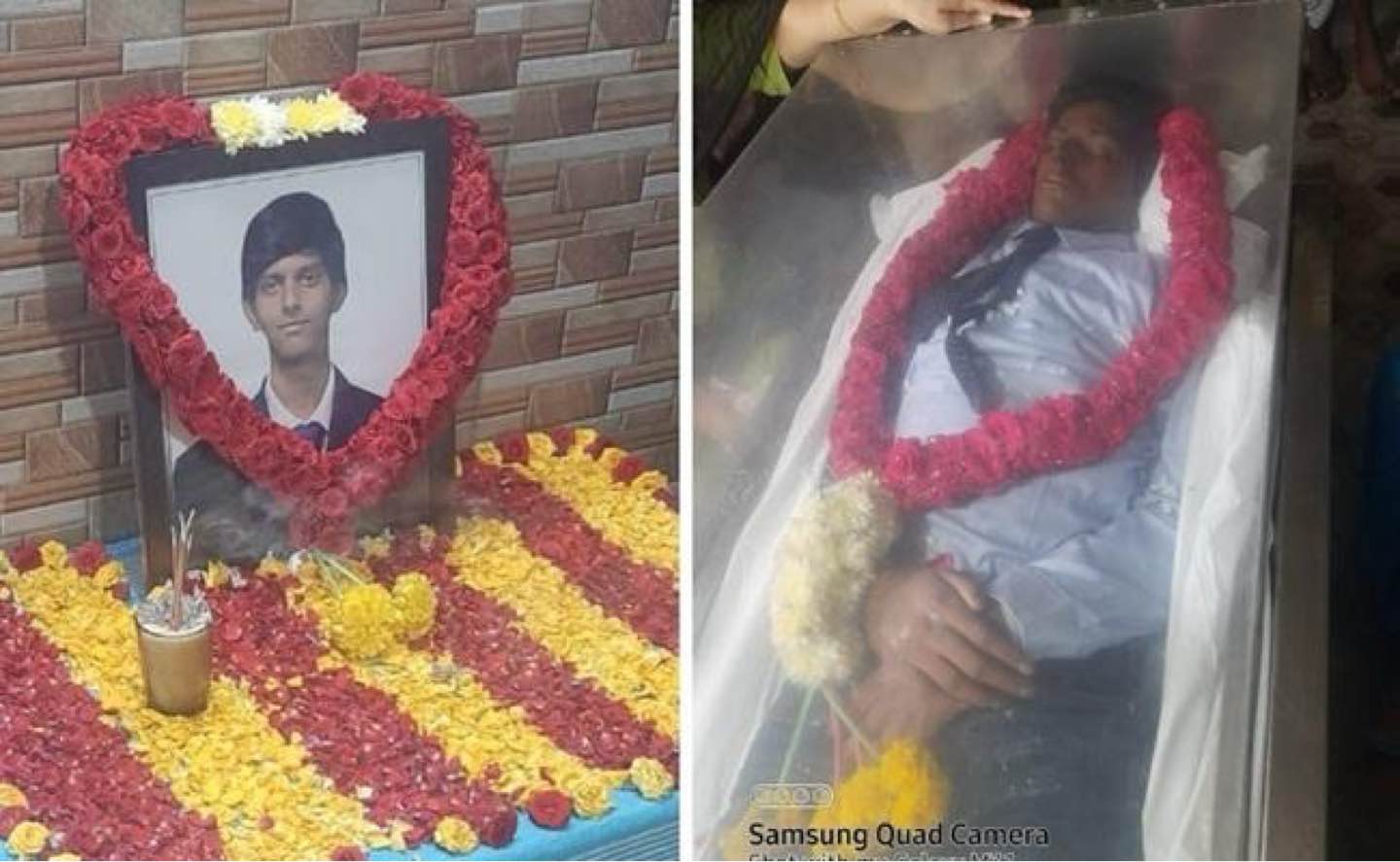
Prakriti Lamsal, a third-year B.Tech student at KIIT, was found dead in her hostel room on February 16, 2025. Initial investigations suggest she died by suicide. This devastating event has drawn attention to the mental health and safety of international students in Indian universities, raising many concerns from her peers and authorities.

In response, PM Oli took measures to address the Nepalese community’s concerns in Bhubaneswar. Through a post on social media platform X, he assured the public that the two officials dispatched to KIIT would counsel Nepalese students and provide them with options for either remaining in the hostel or returning home. This gesture reflects Nepal’s commitment to protecting its citizens living and studying abroad while addressing this sudden tragedy.
Protests and Allegations of Harassment
Following Lamsal’s death, events unfolded rapidly on the KIIT campus. Many Nepalese students gathered on the night of February 16 to protest, blocking roads near the university. Their anger was directed at alleged inaction by the university. They claimed that Lamsal had reported harassment by a fellow student to KIIT’s International Relations Office but no action was taken. These allegations escalated calls for accountability both on campus and within diplomatic circles.
The circumstances of the tragedy worsened when KIIT issued an official directive on February 17, asking international students from Nepal to leave the university campus immediately. This decision triggered chaos, with many Nepalese students leaving campus with their belongings. Photos and videos of the situation spread widely on social media, causing uproar in both India ?? and Nepal ??.
Diplomatic Reactions and Government Intervention
The Nepalese embassy in New Delhi quickly stepped in, communicating with the Indian government and Odisha’s chief minister’s office. Nepal’s Foreign Minister, Arzu Rana Deuba, confirmed that diplomatic steps were being taken to address the situation. At the same time, the Indian side, recognizing the sensitivity of the matter, facilitated a resolution.
The culmination of these efforts came when KIIT withdrew its evacuation order. Odisha’s Minister of Higher Education, Suryabanshi Suraj, explicitly labeled the university’s initial actions as “wrong” and confirmed that this order was reversed after government intervention. In a follow-up, KIIT appealed to Nepalese students to return to their campus and assured them that normal academic activities would resume soon.
To address disruptions caused by these events, KIIT also informed Nepalese officials that accommodation and academic support would be provided to the affected students in the hostel. Meanwhile, the diplomatic collaboration between Nepal and India was praised for its swift handling of the issue.
Arrest Linked to Prakriti Lamsal’s Death
More details regarding the case emerged when police arrested a fellow student on February 17. The suspect, a 21-year-old mechanical engineering student from Lucknow, Uttar Pradesh ??, was accused of harassing Lamsal and reportedly played a role in her tragic decision. Law enforcement, led by Bhubaneswar-Cuttack Police Commissioner Suresh Dev Datta Singh, confirmed allegations of harassment against the arrested individual. Investigators seized several gadget devices, including Lamsal’s mobile phone and laptop, to gather evidence in the case.
These actions signal the authorities’ determination to uncover the facts and ensure justice. Despite the ongoing investigation, KIIT suggested that the tragedy may have stemmed from a personal dispute between Lamsal and her alleged harasser. Whether this hypothesis holds weight will depend on the outcome of a thorough police inquiry.
Broader Implications for the International Student Community
The incident at KIIT has raised questions about the well-being and protection of international students in India ??. Educational institutions play a crucial role in supporting students from different cultural backgrounds. This tragedy has exposed gaps in addressing critical concerns, such as mental health resources and responses to harassment.
In Kathmandu, Nepal ??, the death of Prakriti Lamsal sparked protests outside the Indian Embassy. Dozens of participants demanded a full investigation and systemic changes to prevent similar incidents in the future. This outcry demonstrates the emotional toll Lamsal’s death has had on the Nepalese community well beyond Odisha.
Meanwhile, the Indian Embassy in Kathmandu released a statement mourning the loss of Lamsal. Expressing condolences to her family, the embassy reinforced the strength of people-to-people ties between India ?? and Nepal ??. It also emphasized the Indian government’s ongoing efforts to ensure the safety and well-being of Nepalese students studying in India. This message was an important acknowledgment of the significant trust international students place in host countries during their academic journeys.
Nepalese Embassy Officials Begin Work at KIIT
The two representatives sent by the Nepalese embassy ?? began their work at KIIT by meeting affected students, addressing their concerns, and facilitating crucial communication between Nepalese students and the university administration. Providing counseling and acting as liaisons, their intervention underscores Nepal’s proactive approach in times of crisis. Importantly, these actions also reflect the Nepalese government’s broader strategy to support citizens abroad amid difficult circumstances.
The Nepalese embassy’s involvement extended beyond campus as they maintained dialogue with local Indian authorities. The embassy confirmed that KIIT restored hostel accommodations for the Nepalese students and committed to minimizing academic disruptions caused by the crisis. These developments helped ease the tension on campus and reassured the Nepalese community both in Nepal and India.
Reflection on Bilateral Relations
Though tragic, the incident revealed the depth of collaboration between Nepal and India. Both countries acted swiftly to prevent the situation from turning into a full-blown diplomatic dispute. The reversal of KIIT’s evacuation directive, prompted by Indian leaders, and Nepal’s immediate decision to dispatch embassy officials, highlight their shared interest in maintaining strong ties.
The episode has reinforced the need for stronger safety measures and support for international students. Moving forward, Indian universities may need to re-examine policies for responding to harassment, mental health crises, and emergencies involving overseas students. Crisis-response protocols can no longer afford to fail, especially when trust and safety are at stake.
Both governments will likely pay close attention as the investigation into Lamsal’s death unfolds. Establishing accountability in this case will be essential, not only for justice but also to rebuild the trust of families entrusting institutions like KIIT with their children’s futures.
Conclusion
The tragic death of Prakriti Lamsal was a profound moment for international education, prompting Nepal ?? and India ?? to respond with urgency and care. Nepal’s deployment of embassy officials to KIIT and the subsequent diplomatic engagement highlighted the responsibilities of governments toward their citizens abroad.
For KIIT, the incident acts as a wake-up call to improve its systems—specifically how it handles harassment complaints and supports vulnerable international students. As students slowly return to the classrooms and hostels, the priority must be fostering an environment of security, support, and fairness.
While Prakriti Lamsal’s death is a heart-wrenching loss, the steps taken in its aftermath—both diplomatically and institutionally—carry hopes of preventing future tragedies. Continued coordination between countries will remain vital to addressing key gaps in the welfare and safety of international students worldwide.
For additional information on support systems for students abroad, visit the official Nepalese embassy website.
Learn Today
Diplomatic Intervention → Actions taken by government representatives to address and resolve sensitive international or cross-border issues.
Evacuation Directive → An official order for individuals to leave a specific location, often due to safety or crisis concerns.
Harassment → Repeated or persistent behavior that causes distress or discomfort to another person, violating their personal space or rights.
Hostel Accommodation → Housing provided, typically on or near a campus, for students to reside during their academic studies.
Crisis-Response Protocols → Predefined procedures and actions aimed at managing and resolving emergencies or critical situations effectively.
This Article in a Nutshell
The tragic death of Nepalese student Prakriti Lamsal at KIIT, India, underscores urgent gaps in international student safety. Nepal’s swift embassy intervention reflects a proactive approach, addressing affected students’ concerns while fostering diplomatic collaboration. This crisis highlights the need for stronger mental health support, harassment policies, and trust in universities hosting global students.
— By VisaVerge.com
Read more:
• Harvard University Reverses International Student Housing Decision
• Lakshmi Balakrishnan’s Allegations Against Oxford University
• US University Rankings for International Students’ Career Outcomes
• Southampton University India Campus to Enroll 5,500 Students
• Musashino Art University Tuition Hike for International Students Causes Backlash