- Presidential Proclamation 10998 imposes full travel bans on 19 countries and partial suspensions on 19 others.
- Foreign governments warn of unpredictable border enforcement and risks for transgender travelers using non-binary IDs.
- The U.S. travel sector faces billions in potential losses as tourism and student visa applications decline.
(UNITED STATES) — Several countries issued or maintained travel advisories for the United States in 2026, warning citizens about tougher entry rules under President Trump’s administration, including Presidential Proclamation 10998, as well as crime and civil unrest.
The warnings point to a common concern: entry to the United States can remain uncertain even for travelers with valid visas or ESTA approvals. They also flag potential problems for transgender and nonbinary travelers because U.S. rules require binary sex markers on identification documents.
Presidential Proclamation 10998 took effect on January 1, 2026 and expanded U.S. travel restrictions by dividing countries into full travel bans and partial suspensions. The measure has driven a new round of travel advisories abroad and added to existing warnings tied to safety risks.
Countries Affected by the New Restrictions
Under the proclamation, full bans apply to 19 countries — Afghanistan, Burkina Faso, Chad, Republic of the Congo, Equatorial Guinea, Eritrea, Haiti, Iran, Laos, Libya, Mali, Myanmar (Burma), Niger, Sierra Leone, Somalia, Sudan, South Sudan, Syria, and Yemen — plus Palestinian Authority passport holders. Nationals from those places are barred from both immigrant and most nonimmigrant visas.
Partial bans affect 19 others: Angola, Antigua and Barbuda, Benin, Burundi, Côte d’Ivoire, Cuba, Dominica, Gabon, The Gambia, Malawi, Mauritania, Nigeria, Senegal, Tanzania, Togo, Tonga, Venezuela, Zambia, and Zimbabwe. Those suspensions cover B-1/B-2 tourist visas, F/M student visas, and J exchange visas, while other categories face heightened scrutiny.
U.S. officials tied the measures to what the administration called deficiencies in screening, vetting, and Citizenship by Investment programs. Exemptions remain for existing visa holders, lawful permanent residents, and national interest cases, but many travelers still face “extreme vetting,” with tougher interviews and document checks.
For immigrants and visa applicants, the practical effects include delays in processing and higher denial risks. Haitians and Venezuelans whose Temporary Protected Status expired face an added risk if they leave the United States and try to return.
Foreign Governments Warn Their Citizens
Germany remains one of the clearest examples of a foreign government warning travelers about those risks. Its advisory, updated on March 19, 2025 and still active in 2026, says a valid U.S. visa or ESTA approval does not guarantee entry.
German authorities cited detentions and deportations of German nationals, reflecting concerns about unpredictable border enforcement. The advisory also reflects the effect of a U.S. executive order requiring all IDs to list sex as male or female, a rule that can create barriers for transgender and nonbinary travelers whose documents do not match that standard.
Caribbean governments have also faced pressure from the U.S. restrictions. Antigua and Barbuda and Dominica fall under the partial suspensions in Presidential Proclamation 10998 because of concerns tied to Citizenship by Investment programs that do not require residency.
Haiti faces a full travel ban. St. Kitts and Nevis, St. Lucia, and other Caribbean countries were warned in late 2025 that they could be added if they failed to meet U.S. security benchmarks.
Regional discussions on January 14, 2026 focused on how the new rules were affecting the wider Caribbean, including countries not formally banned. Even neighbors such as Jamaica faced stricter checks, with the U.S. embassy in Kingston imposing tighter scrutiny on passport holders.
Existing visas remain valid for travelers from partial-ban countries, but new applications in several categories are suspended. Families with dual citizenships can face extra complications, while regional leaders have pushed for coordinated compliance to avoid broader restrictions after over 40 nations were initially rumored to be under review.
Applicants from partial-ban countries also face longer waits. Processing times can stretch to 60+ days, and travelers may need stronger proof of ties to their home countries when they seek permission to enter the United States.
Business, Student, and Tourism Impacts
Warnings have spread beyond governments. The World Bank issued a January 2025 advisory against U.S. travel for Colombian employees, and that measure continued into 2026 amid visa cancellations and deportations linked to tensions over deportation flights.
Colombia also remained under a Level 3 U.S. State Department advisory, updated April 17, 2025, for crime and unrest. That did not amount to a formal Colombian travel advisory against the United States, but it added to a climate of mutual caution that affected official travel decisions.
Businesses have adjusted as well. Some now tell staff to carry multiple proofs of status, watch for updates in the CBP One app, and consider virtual meetings instead of traveling to the United States in person.
Universities have also reacted to the new restrictions. Over 1 million international students contributed $43.8 billion to the U.S. economy before 2026, but the proclamation’s suspension of F/M/J visas for partial-ban countries now threatens part of that flow.
Cornell extended warnings first issued in 2025 into 2026, urging students from affected countries to return before any expansion of the rules. Students from Cuba, Venezuela, and Caribbean countries under partial suspensions face visa pauses, while consular officers have also shortened validity periods.
That uncertainty reaches beyond first-time applicants. Delayed enrollments, risks to OPT and STEM extensions, and the possibility that students choose Canada or Europe instead of the United States have become part of the calculation for schools and applicants.
Tourism has also come under pressure. The U.S. tourism sector generated $239 billion in 2024, but early 2026 brought declines as travel advisories and new entry rules discouraged visitors.
Canadians, who spend $20.5 billion annually in the United States, cut bookings amid tariff threats and “51st state” rhetoric, shifting trips toward Mexico and Europe. New York and Miami reported 15-20% drops in international arrivals in early 2026 data.
The pressure extends across several visitor groups. Canadian tourism, worth $20.5 billion before 2026, faces a projected decline of 15-25%. The student economy, worth $43.8 billion, faces a projected drop of 10-20% among travelers from banned and partially banned countries.
Caribbean visitors, whose annual contribution stood at $4.5 billion, face a projected decline of 30%+ because of regional vetting. European leisure travel, valued at $25 billion, faces a projected drop of 5-10%, with German travelers among those most affected by official warnings.
Airport Screening, Safety Concerns, and Diplomatic Tensions
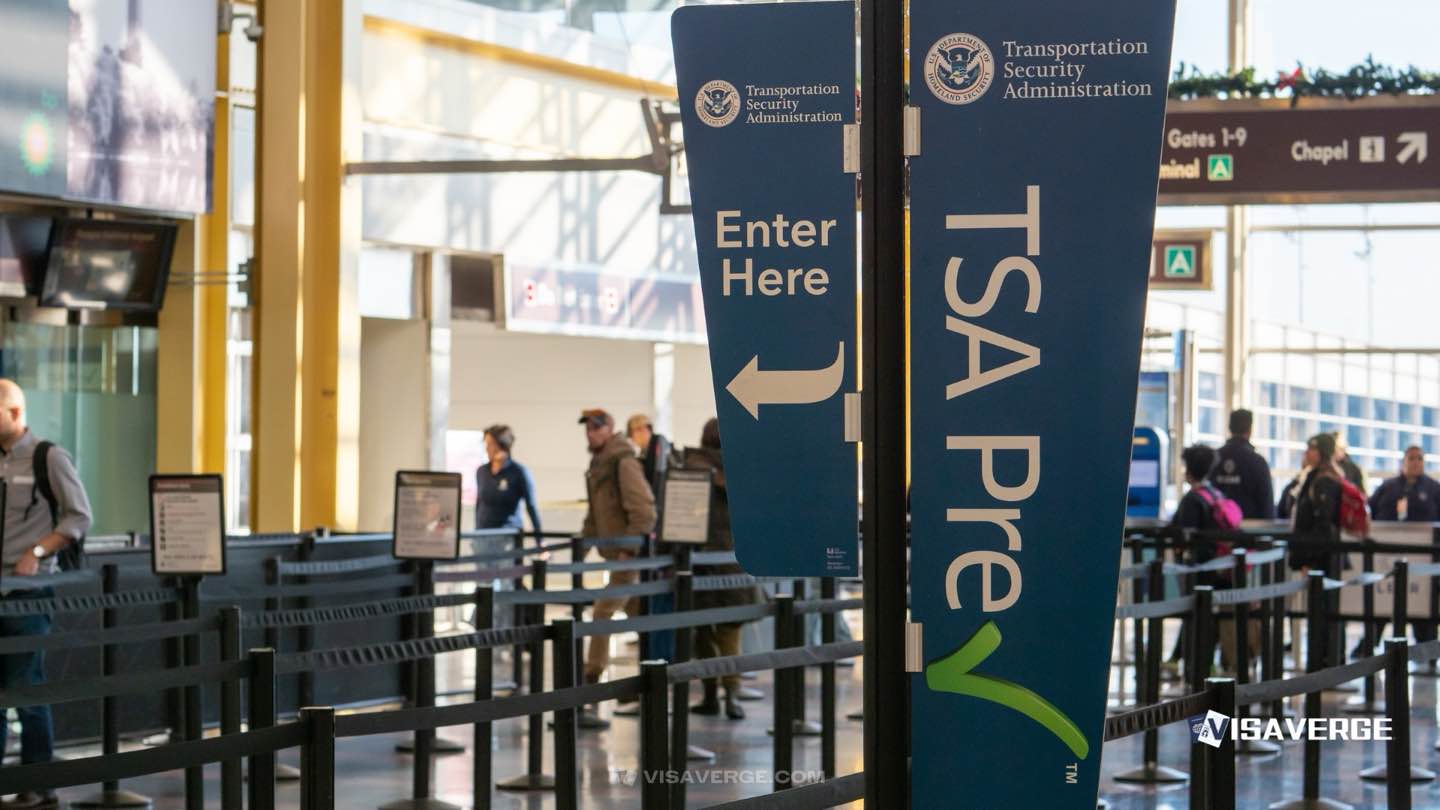
Airports and ports of entry have become another point of concern in many travel advisories. Travelers entering the United States can face CBP lines of 2-3 hours at major airports, and some nationalities are more likely to be sent to secondary screening.
Those delays matter for repeat travel too. Advisories have urged travelers to check their I-94 electronic records after arrival because errors can create problems for future entries.
Safety concerns unrelated to immigration policy also continue to shape foreign warnings. Mass shootings, urban crime, and civil unrest remain central factors, with the United States recording over 650 mass shootings in 2025.
The Bahamas has kept in place a warning first issued in 2016 about racial profiling. Canada and the United Kingdom continue to maintain Level 2 cautions for some U.S. cities, reflecting concern over public safety even before the new immigration measures took hold.
For minority travelers, some advisories warn of heightened encounters with law enforcement. Others recommend travelers register with STEP and buy comprehensive travel insurance that covers medical evacuations, with those costs rising 20% after advisories were updated.
The U.S. government’s own Worldwide Caution, issued on February 28, 2026, focused on terrorism risks abroad. At the same time, foreign governments have increasingly framed their travel advisories to the United States as both a safety measure and a response to tighter U.S. border enforcement.
That has turned some advisories into diplomatic signals as well as consumer guidance. Germany’s stance reflects friction over detentions, Caribbean governments have pushed back over Citizenship by Investment disputes, and tensions with Colombia have centered on deportations.
The longer-term economic hit could stretch well beyond one travel season. Studies cited in the broader discussion of the U.S. restrictions show advisories can reduce arrivals by 10-30% for affected countries, raising the prospect of tourism losses above $50+ billion if current patterns continue.
The damage may not stop at leisure travel. Universities could lose applicants and researchers, businesses may rely more on remote meetings, and countries targeted by full bans or partial suspensions may deepen ties with other destinations for education, trade, and tourism.
What Travelers Are Being Told in 2026
For now, travelers headed to the United States face a more complicated path than they did before January 1, 2026. Many governments tell citizens to check home-country alerts, verify visa or ESTA status before departure, carry printed approvals and supporting records, and prepare for tougher questions even when their paperwork appears valid.
LGBTQ+ travelers face another layer of uncertainty if their documents do not fit U.S. binary sex-marker rules. Caribbean nationals from partially banned countries must also weigh whether they can meet national interest requirements or survive longer visa waits before booking trips.
As of March 2026, more than 10 countries actively advise caution for travel to the United States, and the list could grow if Presidential Proclamation 10998 expands. For visitors, students, and families, the calculation now extends beyond airfare and visas to a broader question of whether entry to the United States is worth the risk.