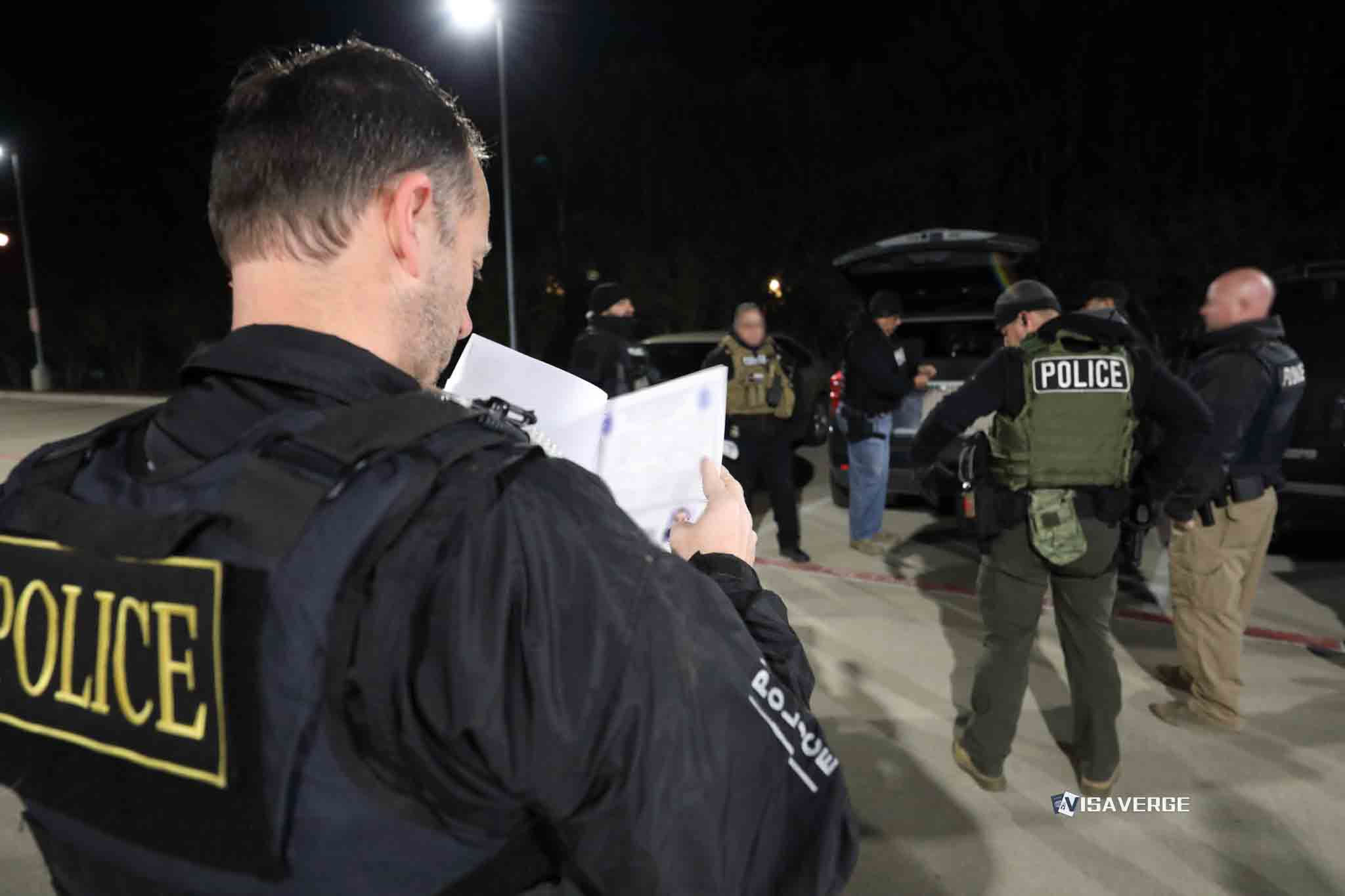
- Kristi Noem faced intense bipartisan criticism during a Senate Judiciary Committee hearing regarding Minnesota immigration enforcement.
- The hearing addressed the fatal shootings of two citizens and controversial “domestic terrorist” labels used by Noem.
- Disputes remain regarding allegations that Republicans requested limiting ICE activity specifically near school zones.
(MINNESOTA) — Kristi Noem faced bipartisan criticism on March 3, 2026, during an appearance before the Senate Judiciary Committee that put Minnesota’s immigration enforcement politics back in the national spotlight.
The hearing unfolded as an allegation circulated that Minnesota Republicans asked Noem to limit ICE activity near schools, a claim that has become central to a dispute over where federal immigration enforcement should take place.
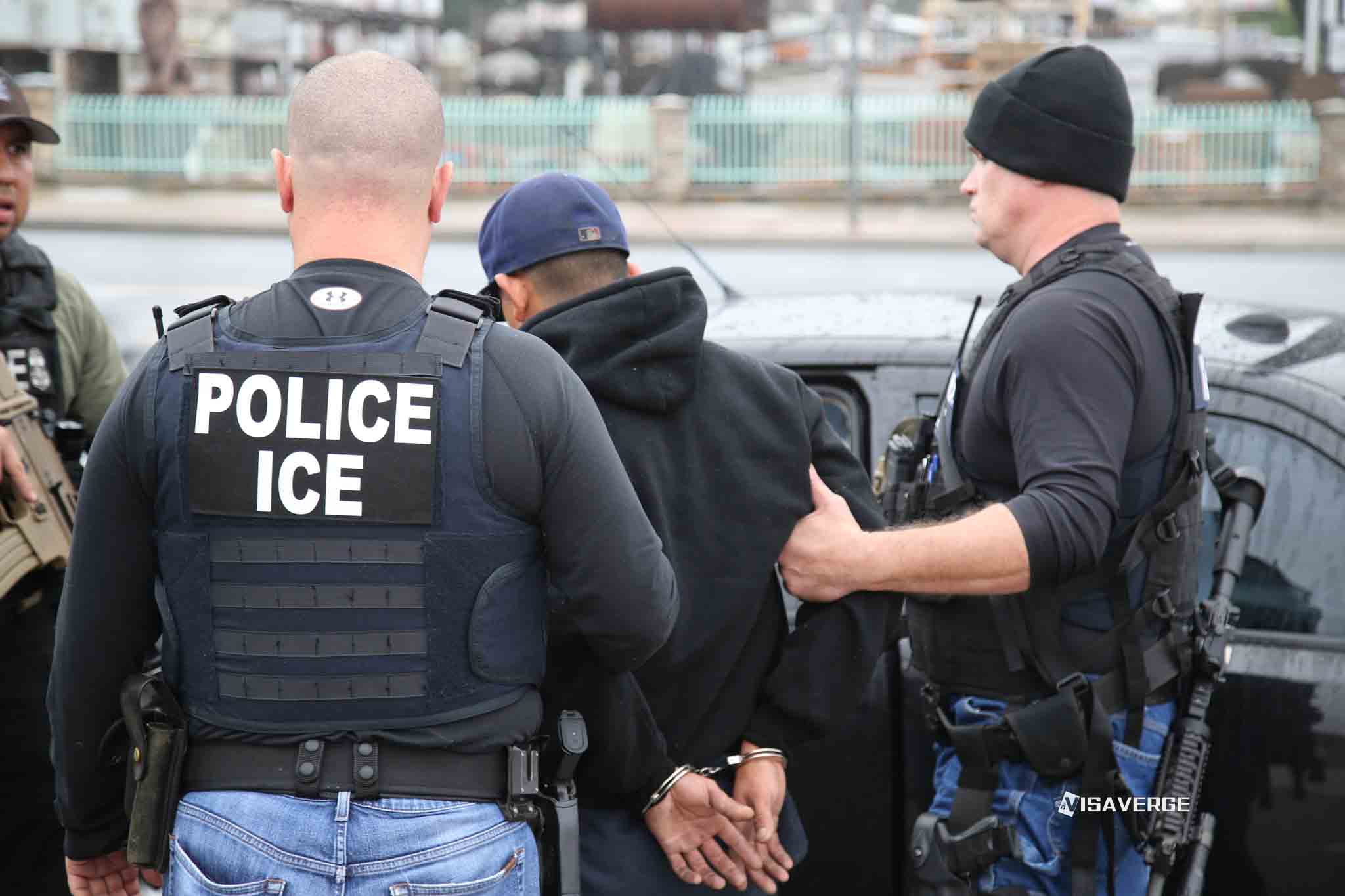
Noem, a national-profile figure with a public reputation for strict immigration enforcement, came under scrutiny tied to immigration enforcement operations in Minnesota and how her leadership described events there.
Accounts of the Judiciary Committee appearance described criticism that extended beyond day-to-day enforcement tactics, reaching into what lawmakers and others framed as consequences of enforcement surges and the rhetoric used to justify them.
The most serious incidents raised in the criticisms involved the fatal shootings of two U.S. citizens, Alex Pretti and Renee Macklin Good, in connection with immigration enforcement operations in Minnesota.
Those accounts said Noem labeled the two people as “domestic terrorists,” a characterization that drew attention during the hearing and fed into broader questions about how immigration-related operations and violence were being described.
The same accounts cited a $200 million ad campaign as part of what critics pointed to in challenging Noem’s handling of the Minnesota operations, though the available descriptions did not spell out the campaign’s content or where it ran.
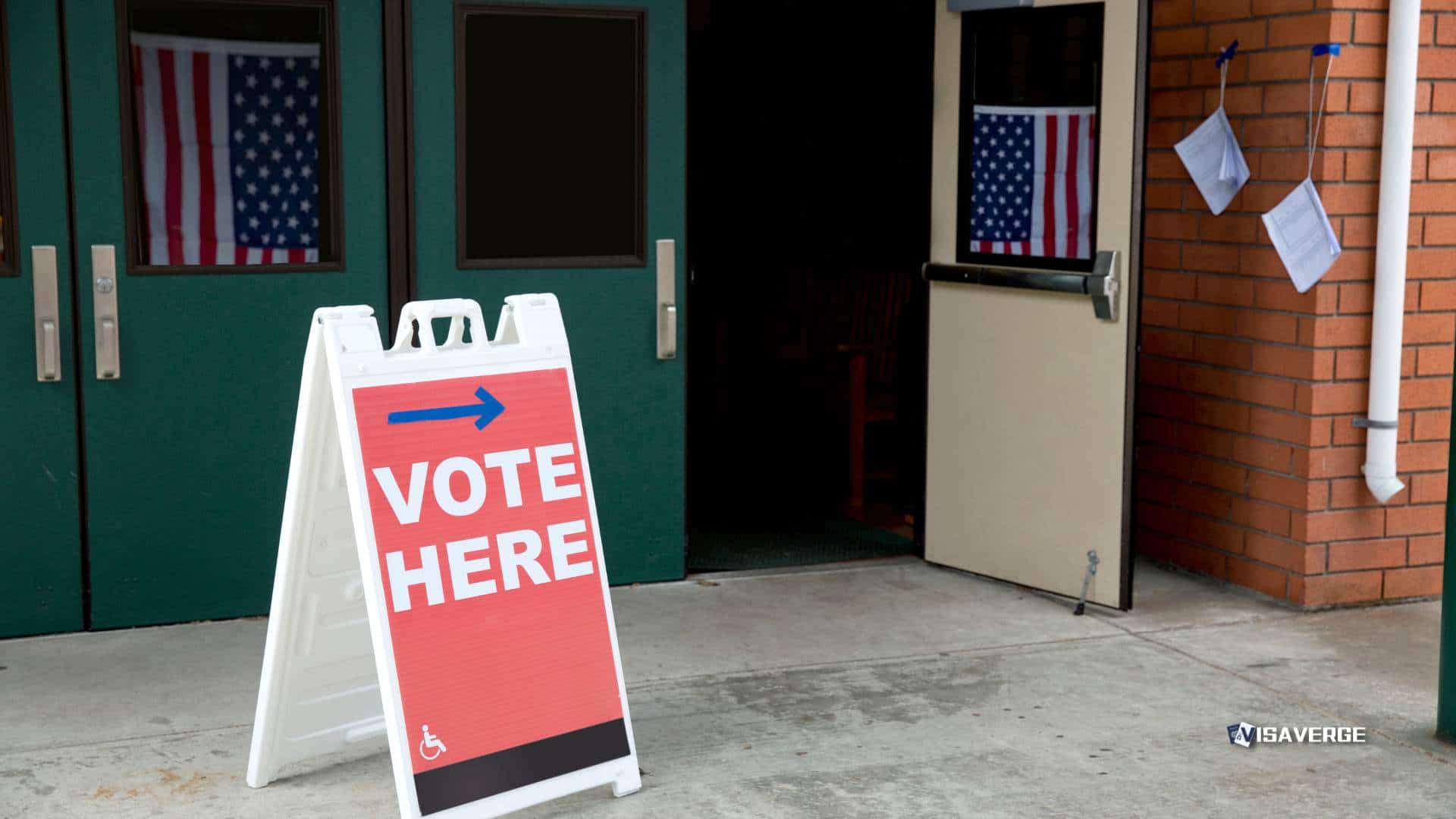
Concerns about ICE officers at polling locations also surfaced as part of the Minnesota-focused criticism referenced in connection with the hearing, reflecting anxiety over enforcement presence at civic sites.
Against that backdrop, the allegation involving Minnesota Republicans and schools has taken on added weight because it frames the debate around “near schools,” a setting that carries different implications than general arguments about immigration enforcement priorities.
A school-specific request, as described by people circulating the claim, would amount to a targeted appeal about where ICE activity occurs, not a blanket endorsement or rejection of enforcement in Minnesota.
That distinction matters because “near schools” suggests a boundary tied to children and families and invites questions about whether enforcement actions might deter school attendance or change how parents interact with school staff.
It also differs from a broader political critique that focuses on how enforcement is conducted generally, how operations are presented publicly, or whether messaging around enforcement uses inflammatory labels.
The publicly described points raised in connection with Noem’s Judiciary Committee appearance did not include a line attributing a schools-focused request to Minnesota Republicans, even as they highlighted other Minnesota-linked controversies.
Instead, the accounts tied the hearing’s flashpoints to the fatal shootings of Pretti and Good, Noem’s “domestic terrorists” label, the $200 million ad campaign, and worries about ICE officers at polling locations.
That has created a risk of conflation between two separate ideas: criticism of immigration enforcement operations in Minnesota, and a narrower claim that state-level Republicans made a specific request to limit ICE activity near schools.
In Minnesota, the argument over where enforcement happens often turns on the settings that residents encounter in daily life, and the hearing’s references to polling locations put that sensitivity on display.
Polling sites carry a particular political charge because they are connected to voting and public confidence, and discussion of ICE officers there can quickly shift from enforcement policy to questions about access and participation.
Schools can trigger similar reactions for different reasons, with immigration enforcement debates often intensifying when families worry that routine activities could intersect with federal action.
The current dispute sits at the intersection of those concerns and the national attention that follows Noem, whose public posture on immigration enforcement has made her a focal point for both supporters and critics.
For Minnesota Republicans, the allegation that they asked Noem to limit ICE activity near schools has become a defining question, because it suggests an attempt to draw a line around enforcement locations rather than merely debating enforcement philosophy.
Yet the hearing-related accounts that described the March 3, 2026 testimony did not provide an identifiable public document or a directly attributable statement from a named Minnesota Republican lawmaker confirming a request about ICE activity near schools.
Nothing in the same descriptions pointed to a letter, email, floor statement, press release, or transcript line that put a school-focused request on the record as something Minnesota Republicans asked of Noem.
That leaves the allegation hinging on whether someone produces documentation or a verifiable, attributable statement that spells out what was requested, who requested it, and what “limit” would mean in practice.
A clarifying statement could also matter because “limit ICE activity near schools” can be interpreted in multiple ways, ranging from a narrow call to avoid enforcement actions at school buildings to a broader plea to minimize visible enforcement in nearby areas.
Without a clear description tied to a named speaker, the claim can be invoked to support competing narratives, including arguments that Republican lawmakers want enforcement but prefer it away from certain places, or arguments that they object to enforcement tactics themselves.
The controversy has also unfolded alongside the set of criticisms described from the Judiciary Committee appearance, where the focus on Minnesota included both the fatal shootings and the language used to describe those killed.
The “domestic terrorists” label, cited in accounts of the hearing, sharpened the political stakes by turning a debate over enforcement actions into a dispute over the characterization of U.S. citizens connected to the events.
The reference to a $200 million ad campaign added another layer, suggesting that communications and political messaging formed part of the criticism aimed at Noem’s handling of immigration enforcement operations in Minnesota.
The polling-location concerns further widened the frame beyond enforcement outcomes, pointing to where ICE activity may appear and how that presence can affect public perceptions of civic spaces.
As the allegation about schools circulates, the unanswered questions are straightforward: whether Minnesota Republicans made a school-specific request at all, whether any communication exists confirming it, and whether the claim describes a narrow sensitivity concern or a broader critique of immigration enforcement strategy.
The verification path would typically run through tangible records or attributable public statements, such as a letter from lawmakers, a message released by an office, a floor statement, or a transcript line showing the request being made and acknowledged.
Another way the claim could become clearer would be through a named spokesperson’s quote that directly confirms or denies the request and explains what was asked, when it was asked, and why.
Until that happens, the public record described from Noem’s March 3, 2026 Judiciary Committee appearance remains centered on the bipartisan criticism over immigration enforcement operations in Minnesota, including the fatal shootings of Alex Pretti and Renee Macklin Good, the “domestic terrorists” label, the $200 million ad campaign, and concerns about ICE officers at polling locations.
The next developments likely to move the Minnesota dispute forward would be any documentation offered by Minnesota Republicans that ties their names to a request involving schools, or any on-the-record response from Noem’s office addressing what—if anything—was asked about limiting ICE activity near schools.
Further scrutiny could also come through additional oversight steps that put the schools allegation directly into a public forum, such as follow-up testimony or written questions that force the issue into an attributable exchange.
For now, the political argument in Minnesota continues to turn on two overlapping themes: what critics described during Noem’s March 3, 2026 appearance as problems in immigration enforcement operations in the state, and a still-unresolved claim that Minnesota Republicans sought to draw a specific boundary around ICE activity near schools.