(MINNEAPOLIS) A new round of federal immigration enforcement in MINNEAPOLIS this week has led to at least 12 arrests and stirred deep anxiety in Somali communities across the city, as President Donald Trump’s administration pushes a broader immigration “crackdown” after his return to office.
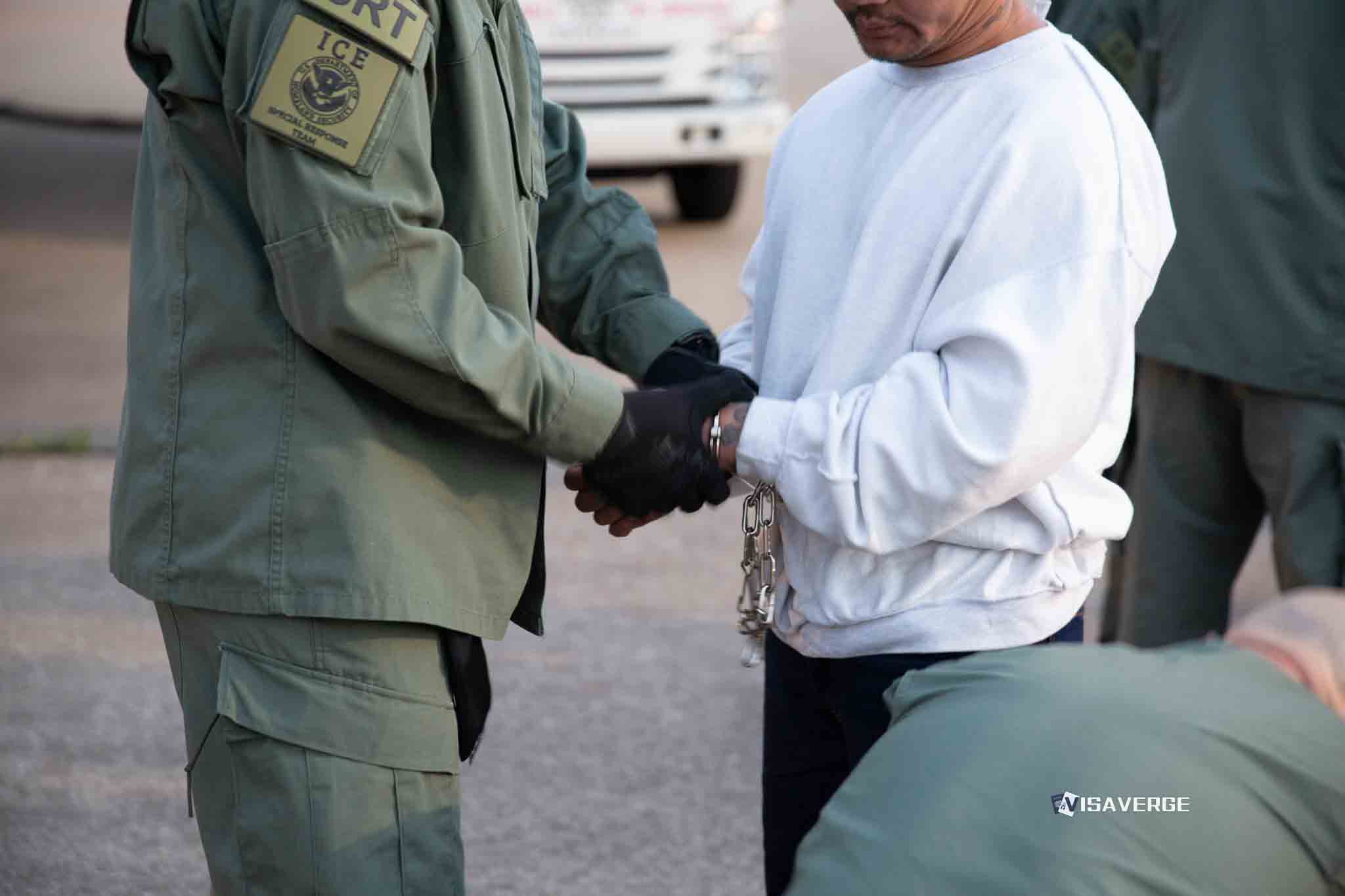
Local media reports say U.S. Immigration and Customs Enforcement, known as ICE, has carried out enforcement actions in MINNEAPOLIS since the beginning of December, resulting in at least 12 immigration-related arrests. Officials have said the operations largely target people with prior deportation orders or alleged criminal histories, reflecting the administration’s emphasis on what it calls enforcement priorities inside the United States rather than only at the border.
The arrests have landed with particular force in MINNEAPOLIS, which city officials describe as home to the largest Somali community in the country. Families with roots in Somalia, many of whom arrived in the United States as refugees or as relatives of earlier arrivals, are now weighing everyday choices—whether to drive to work, send children to school, or attend a clinic appointment—against rising fear of being stopped by immigration authorities.
Community members and advocates in MINNEAPOLIS report that fear of raids and sudden family separations has grown since the first operations were reported at the start of the month. Parents are talking to their children about what to do if a loved one is taken. Neighbours are sharing phone numbers for lawyers and hotlines. Some workers are staying home rather than risk an encounter with ICE in public places, on their commute, or near workplaces.
That reluctance to move freely around the city has worried local officials, who warn that a climate of fear can undermine public safety and trust in government institutions. When residents avoid reporting crimes, skip court dates, or stay away from schools and hospitals, city leaders say, basic services become harder to deliver and the relationship between immigrant communities and local authorities frays.
Minneapolis officials have responded by publicly stressing that the city does not assist with federal civil immigration enforcement and has policies in place to limit cooperation with ICE in such operations. City leaders have repeated that local police and city agencies do not carry out immigration raids, do not ask people about their immigration status in most routine interactions, and do not detain people simply because federal authorities request it in civil immigration matters.
At the same time, officials acknowledge that they cannot legally block federal agents from operating in MINNEAPOLIS. That tension—between pledges to act as a buffer for vulnerable residents and the limits of local power—is at the heart of the latest clash between the President Donald Trump administration and cities often described as “welcoming” or “sanctuary-style.” Minneapolis leaders have tried to reassure residents that they will not be used as an arm of federal immigration enforcement, even as ICE continues its own operations in the region.
City leaders, including the mayor and members of the city council, have urged residents to learn about their legal rights, particularly if they are approached at home or in public by immigration officers. They have promoted free legal clinics and immigrant support services across MINNEAPOLIS, directing people to organizations that can explain options, help prepare documents, and respond quickly if someone is detained.
Local guidance circulated in MINNEAPOLIS stresses that people approached by immigration officers have the right to remain silent. That means they do not have to answer questions about where they were born, how they entered the country, or what their current immigration status is. The same guidance says people can ask to speak to a lawyer and do not have to sign any papers without first getting legal advice.
The advice goes further for encounters at home. Residents are being told they have the right to see a judicial warrant before opening the door to immigration officers. A judicial warrant is a document signed by a judge, not just an internal ICE form. Community groups and city-backed campaigns are encouraging people to ask officers to slide any warrant under the door or hold it up to a window, so they can check whether it is signed by a court before deciding whether to let anyone in.
Beyond immediate encounters, MINNEAPOLIS residents who may be affected by the ICE crackdown are being encouraged to create family plans in case of arrest or detention. Those plans can include identifying a trusted person who can pick up children from school, knowing where important documents such as passports and birth certificates are kept, and keeping contact details for relatives and lawyers handy. “Know your rights” information—often printed on wallet-sized cards or shared on phones—is being circulated widely in Somali communities so people can carry it with them.
Advocates say early legal advice can make a difference, especially for people with old deportation orders or complex histories in the immigration system. While the source material does not detail specific cases, lawyers and organizers in MINNEAPOLIS are generally urging anyone with questions about their status to seek a full legal review. Some may have new options because of family ties, changes in law, or shifts in how older cases can be reopened.
For the President Donald Trump administration, the operations in MINNEAPOLIS are part of a renewed national push to expand interior immigration enforcement, reaching into cities and towns far from the U.S. border. Officials in Washington, D.C., have repeatedly framed these efforts as a necessary response to what they describe as years of weak enforcement, arguing that targeting people with prior deportation orders or alleged criminal histories will make communities safer.
On the ground in MINNEAPOLIS, many residents experience the same actions very differently. In Somali neighbourhoods, where extended families often live close together and many mixed-status households include U.S. citizens, green card holders, refugees, and undocumented relatives under one roof, an ICE arrest can ripple through entire blocks. Children may come home to find a parent missing. Elderly relatives may suddenly rely on neighbours for help with shopping or medical appointments. Congregations at local mosques may pull together emergency funds for legal bonds or support.
The operations have added a new layer of tension to already sensitive relations between federal immigration authorities and local governments like MINNEAPOLIS that have tried to shield undocumented residents from the harshest effects of national policy. While the city emphasizes that its officers do not take part in civil immigration enforcement, the presence of federal agents in the same streets has created confusion about who is who, and what power each set of officials actually has.
Nationally, the debate over “sanctuary-style” policies has played out in courtrooms and on political stages, often with MINNEAPOLIS and similar cities used as examples by both sides. Supporters of local limits on cooperation argue that public safety improves when residents feel safe calling police without fear of deportation. Opponents, including many in the President Donald Trump administration, argue that any gap between local and federal enforcement allows people they consider dangerous to remain in the country.
In MINNEAPOLIS, city leaders are trying to steer a course through that polarised terrain by focusing on practical steps for residents. They are pointing people toward legal aid groups, hotlines, and community meetings where immigration lawyers explain how ICE operates, what a warrant looks like, and what rights apply in workplaces, homes, and public spaces. Flyers in multiple languages, including Somali, point to websites and phone numbers for more help, and schools have been briefed on how to respond if a student’s parent is arrested.
Federal officials have not published detailed breakdowns of the MINNEAPOLIS arrests beyond the broad description that they involve people with prior deportation orders or alleged criminal histories. That leaves many families guessing whether a loved one with an old immigration case, a previous minor offense, or a long-pending application might be targeted in the current ICE crackdown.
The operations also underline how much power still rests with federal agencies when it comes to immigration enforcement inside the United States. While MINNEAPOLIS can set its own rules for local police and city staff, decisions about who to arrest for immigration violations, where to conduct raids, and who to prioritize are made by federal officers and their leadership at agencies such as U.S. Immigration and Customs Enforcement.
As December continues, Somali communities and other immigrant groups in MINNEAPOLIS are bracing for the possibility of more arrests, even as they try to keep daily life going. Parents are still getting children to school, buses are still running, and shops are still open. But behind the routines, many families are quietly updating phone trees, double-checking their family plans, and keeping one ear tuned to news of any new knock on the door.
Interior ICE operations in Minneapolis since early December have resulted in at least 12 arrests, focusing on people with prior deportation orders or alleged criminal histories. The enforcement has amplified fear in the city’s large Somali community, affecting daily choices and public safety trust. Minneapolis officials reaffirm they do not assist federal civil immigration enforcement, promote legal clinics and ‘know your rights’ guidance, and encourage residents to prepare family plans and seek early legal advice to assess potential options.