- A Michigan House committee is debating House Bill 4765 to require citizenship proof for voter registration.
- Supporters want tighter controls while critics fear barriers for eligible voters lacking immediate documentation.
- The proposal aligns with a national trend and a 2026 ballot initiative targeting the same goal.
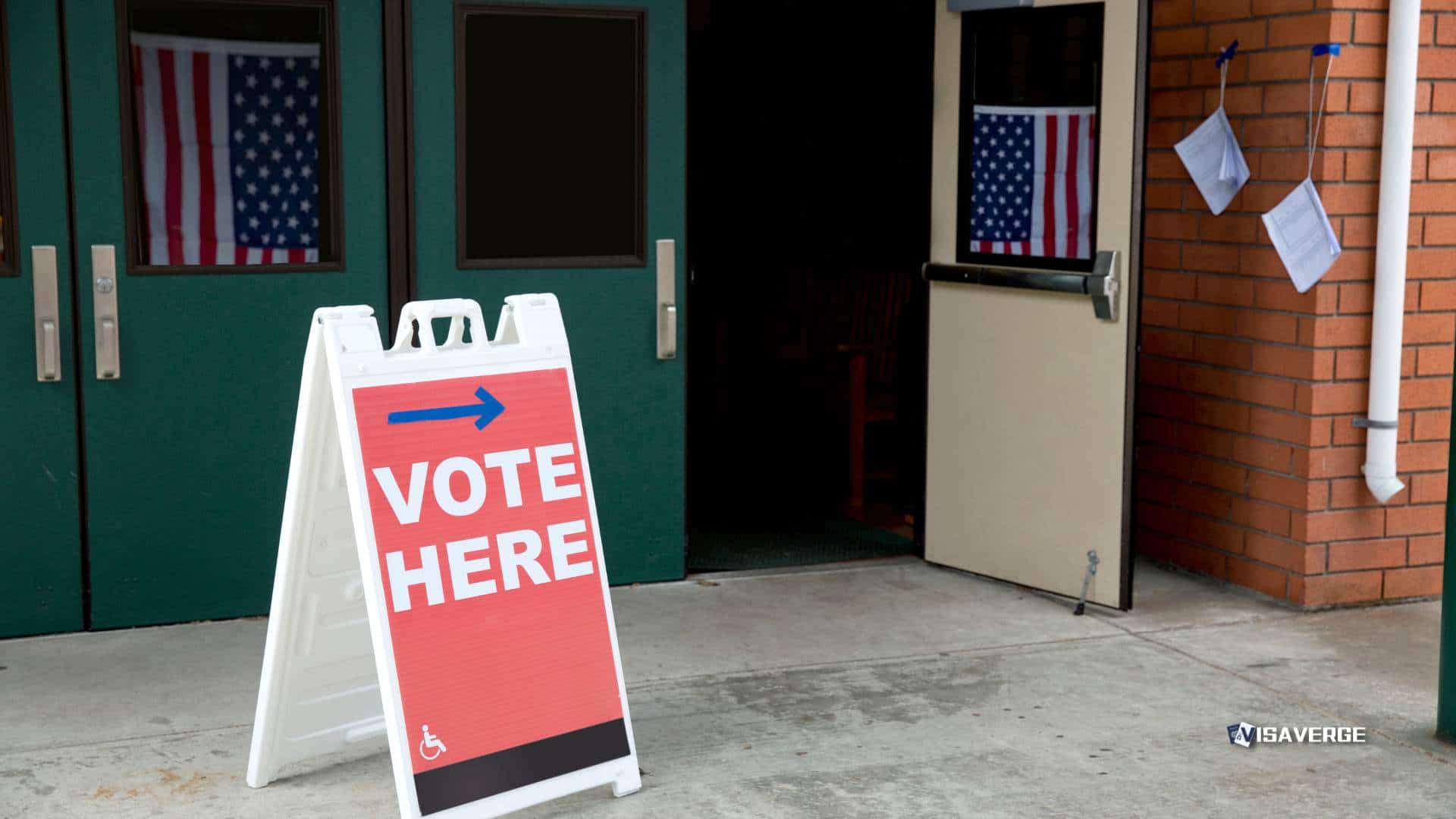
(MICHIGAN) — A House Bill 2448 to Show Citizenship on Driver’s Licenses”>Michigan House committee opened debate on House Bill 4765 on March 3, 2026, hearing arguments over a proposal that would require applicants to show proof of citizenship before they can register to vote.
Rep. Jason Woolford (R-Howell), the bill’s sponsor, introduced the measure as a tighter check on voter registration, while opponents warned it could create new barriers for eligible voters who do not have documents readily available.
The Michigan House committee discussion put the state into a widening national fight over documentary proof rules, as federal agencies and lawmakers highlight the Systematic Alien Verification for Entitlements program, known as SAVE, as one option states can use for citizenship checks.
Michigan’s push also runs alongside a separate effort to amend the state constitution at the ballot box. On February 3, 2026, the group Americans for Citizen Voting announced it had collected over 446,000 signatures to place a constitutional amendment on the 2026 ballot.
That proposed amendment would mandate documentary proof of citizenship for all new registrations after December 18, 2026, creating a parallel track that could intersect with legislation depending on what ultimately takes effect.
Supporters of House Bill 4765 argue the legislation and the ballot initiative aim at the same goal, while critics say running both efforts at once adds uncertainty for voters and local election officials tasked with implementing any change.
At the federal level, USCIS and the Department of Homeland Security have used recent public statements to frame the debate around verification and to address concerns about polling-place enforcement that have circulated among election officials.
A USCIS fact sheet dated February 2, 2026 described SAVE as a “tool that registered agencies, such as State divisions of elections, can use to verify U.S. citizenship for voter registration,” while also emphasizing limits on what the system does.
“SAVE can usually verify U.S.-born citizens, naturalized U.S. citizens, and in certain cases, acquired U.S. citizens. SAVE provides verification information but does not determine an individual’s eligibility to register to vote,” USCIS said in the fact sheet.
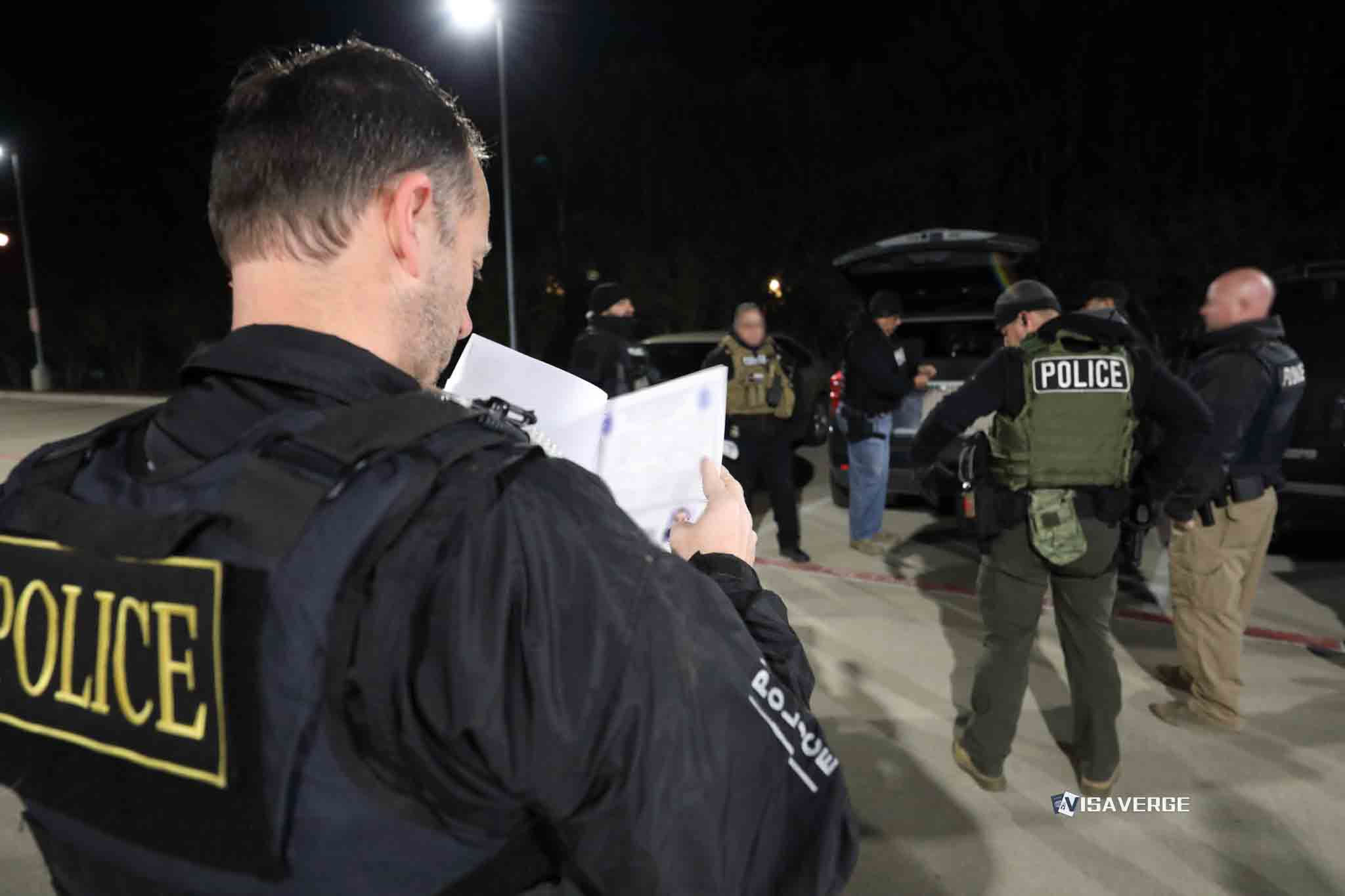
DHS also moved to tamp down fears about federal enforcement at polling places. “Any suggestion that ICE is going to be present at polling places is simply disinformation. There will be no ICE presence at polling locations for this election,” said Heather Honey, DHS Deputy Assistant Secretary for Election Integrity, during a briefing to state election officials dated February 26, 2026.
USCIS tied part of its message to technical capacity, announcing on March 3, 2026 the release of the SAVE Interface Control Agreement (ICA) version 38 (v38), which it said includes “all anticipated enhancements” to streamline bulk citizenship verification for states.
Back in Michigan, House Bill 4765 would require documentary proof of U.S. citizenship when a person registers to vote, a step commonly referred to as DPOC in public debate over election administration and eligibility checks.
The bill identifies examples of valid documents as a U.S. passport, birth certificate, or naturalization papers, options that shape how burdens and errors could show up in real registration workflows.
Supporters of the proposal argue those documents offer a clear way to prevent improper registrations, and they have framed the measure as closing what they call “loopholes” in the system. Critics argue the same requirements could trip up eligible voters who lack ready access to paperwork or whose documents do not match their current names.
The debate has unfolded as federal lawmakers press for their own changes. In February 2026, the U.S. House passed the SAVE America Act, which seeks to amend the National Voter Registration Act (NVRA) of 1993 to require DPOC nationwide for federal elections.
Supporters of Michigan’s measure have pointed to existing federal law to argue the state should do more at the front end of registration. Under the Illegal Immigration Reform and Immigrant Responsibility Act of 1996, it is already a federal crime for non-citizens to vote in federal elections.
Opponents counter that the existence of federal penalties does not resolve practical questions about documentation access and administrative capacity, especially if large numbers of voters would need to obtain or replace papers to comply.
Reports cited in legislative testimony put the documentation gap into sharp focus, saying only 39.7% of Michigan citizens possess a valid passport, compared with a national average of 53.1%.
Those same reports cited in testimony estimate approximately 6 million Michigan citizens lack a passport as a primary form of citizenship proof, meaning many could rely on birth certificates or naturalization documents if Michigan adopts a strict proof requirement.
SAVE’s footprint and performance claims also have become part of the political argument. Data from the SAVE program shows 27 states are currently registered to use the tool.
At the same time, research by the Bipartisan Policy Center indicates that only 0.04% of voter verification cases typically return as non-citizens, a statistic frequently cited by critics of strict DPOC rules to argue that verification checks should be understood in the narrow context of cases that are run through such systems, rather than treated as a measure of the overall electorate.
Naturalized citizens have featured prominently in the concerns raised about day-to-day impacts. DHS has reportedly launched a “Potential Voter Fraud – Denaturalization” initiative (February 2026) to investigate naturalized citizens who may have registered or voted before their naturalization ceremony.
Critics of House Bill 4765 say naturalized voters can face distinctive hurdles when documentation rules tighten, including the need to obtain replacement naturalization papers, and the risk that name changes—such as through marriage—can complicate matching a voter’s record to underlying documents.
Rules around outreach at naturalization ceremonies have also shifted. As of August 29, 2025 (USCIS Policy Alert PA-2025-21), USCIS restricted voter registration assistance at naturalization ceremonies to only state and local government officials, barring non-governmental organizations from providing that service.
Supporters of DPOC requirements say tighter controls reinforce confidence in elections, while critics argue the combined effect of documentary rules and narrower outreach channels could reduce access for eligible new citizens who previously registered with help at ceremonies.
Readers tracking the bill can follow updates through the Michigan Legislature’s page for House Bill 4765, where changes and movement through the process typically appear as lawmakers consider committee action, potential floor votes, and any later steps in the Senate or at the governor’s desk.
Federal information that Michigan lawmakers and advocates cite in the debate appears on USCIS’s SAVE program information, the USCIS newsroom and alerts, and DHS’s election security page, as states weigh whether citizenship checks should be handled through documents presented by voters, database verification, or some combination of both.