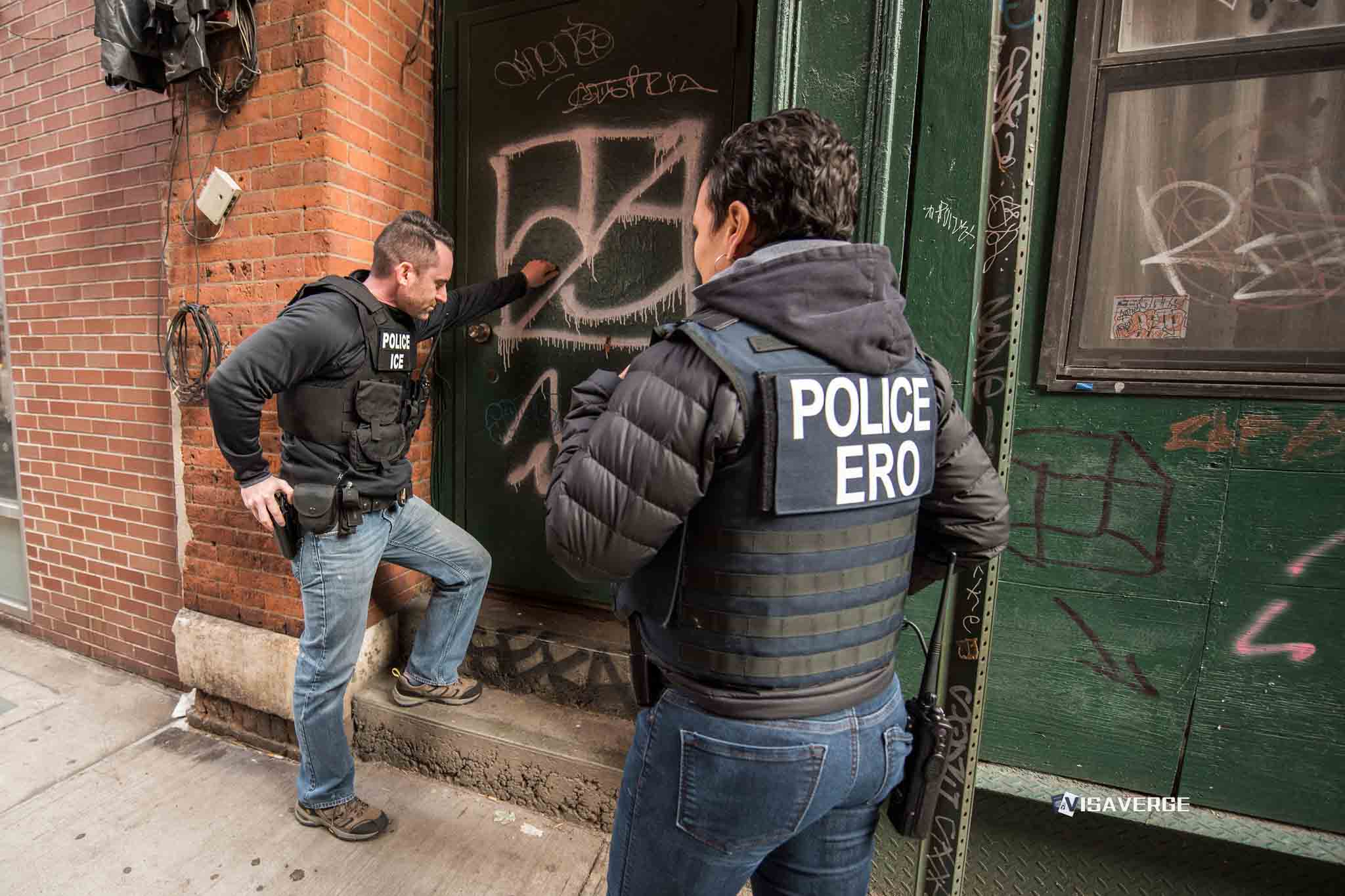
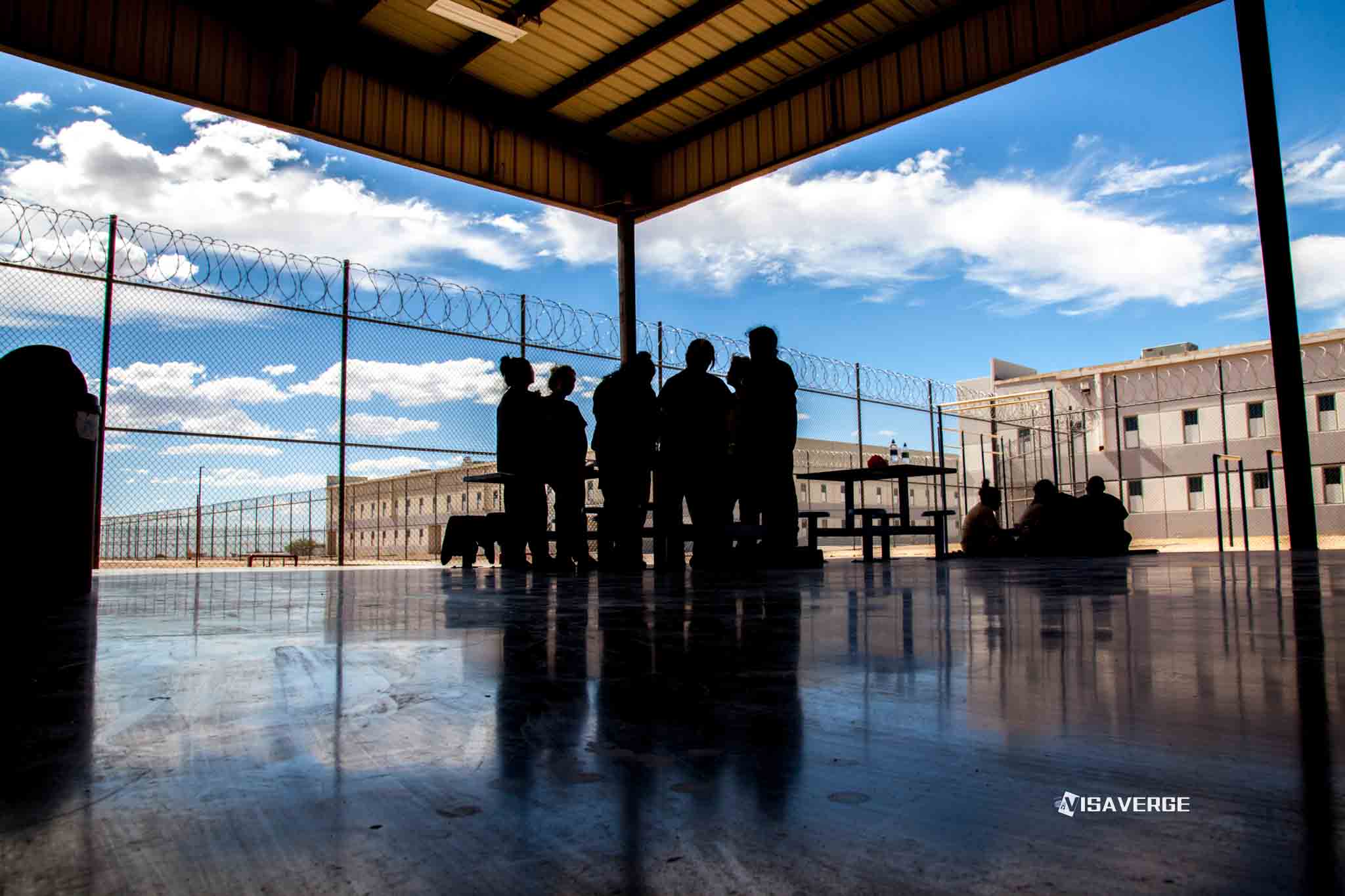
- Representative Jim McGovern conducted an unannounced inspection of the Burlington ICE facility following a federal court ruling.
- The visit challenged DHS policies that previously required seven days’ notice for congressional oversight visits.
- McGovern disputed agency claims, describing the facility as a jail rather than a processing center.
(BURLINGTON, MASSACHUSETTS) — U.S. Representative Jim McGovern (D-MA) made an unannounced visit on April 8, 2026, to the Burlington ICE facility in Burlington, Massachusetts, testing newly affirmed congressional access to immigration detention sites after a federal court ruling blocked a seven-day notice requirement.
McGovern spent approximately 90 minutes inside the site, which Immigration and Customs Enforcement describes as a “field office” or “processing center” rather than a permanent detention facility. Afterward, he sharply disputed that characterization and renewed his call to abolish the agency.

The visit placed Jim McGovern at the center of a widening fight over congressional oversight of immigration enforcement, detention conditions and the Trump-Vance administration’s attempt to limit surprise inspections by lawmakers. It also marked one of the clearest early tests of the March 2, 2026 court order that opened the door to real-time, unannounced visits.
That ruling came in Neguse et al. v. U.S. Immigration and Customs Enforcement et al., when U.S. District Judge Jia Cobb blocked a Department of Homeland Security policy that required lawmakers to provide seven days’ notice before visiting ICE facilities. Judge Cobb ruled that the policy was likely illegal.
In her March 2, 2026 decision, Cobb said the administration had failed to cite “concrete examples of safety issues posed by congressional visits without advanced notice.” The ruling reinforced Congress’s authority to inspect detention conditions without warning.
McGovern’s visit therefore carried legal and political weight beyond Massachusetts. Lawmakers had argued that advance notice gave federal officials time to shape what members of Congress could see, while immigration advocates said surprise inspections were necessary to assess conditions as they actually existed.
At the Burlington ICE facility, McGovern said what he saw did not match the agency’s description of the site as a short-term processing location. “They kept on telling me that this is not a jail. but I’m like—I’ve been in jail. I know what a jail cell looks like. This is a jail cell,” he said.
He said he saw cells with exposed toilets monitored by video cameras. McGovern also spoke privately with a detainee he identified as Orlando, a construction worker and asylum seeker from Honduras with no criminal record.
“He’d been showing up to all his appointments. and again separated from his wife and his young children. That’s not what we’re about in this country,” McGovern said.
Following the tour, McGovern said on April 8, 2026, “I believe as strongly as ever that we ought to abolish ICE. this is a failed experiment. this reflects badly on this country and on our values.”
His staff members were reportedly denied entry even though McGovern himself was allowed in under the court order. That access dispute added to a broader argument over how much Congress can independently document conditions inside immigration facilities.
The Burlington site has become a flashpoint in that fight. Other lawmakers, including Rep. Ayanna Pressley and Rep. Katherine Clark, had previously been turned away from the same facility before the March 2 ruling.
DHS and ICE, as of April 10, 2026, continued to characterize Burlington as a short-term processing site. Federal officials have defended both the facility and the visitation restrictions that the court set aside.
A DHS spokesperson had earlier described the advance-notice rule as a “commonsense measure to ensure the safety of staff, law enforcement, visitors, and detainees alike” on March 2, 2026. That statement formed part of the administration’s public defense of requiring seven days’ notice before congressional visits.
ICE had also rejected criticism of conditions at Burlington before McGovern’s visit. On February 7, 2026, an ICE spokesperson said that “all claims of substandard conditions at the facility are false” and said the office was designed for quick processing and transfer to permanent housing.
Those competing accounts now sit at the heart of the dispute over Burlington. ICE staff told McGovern that detainees are not held longer than 72 hours, but his visit was intended in part to test claims from local advocates and attorneys that some people had been held there for 10 days or longer without access to showers or adequate medical care.
That gap between the official description and what critics say happens inside has driven mounting scrutiny of the facility. For McGovern and other Democrats, the unannounced visit was a way to push past what they view as shadow operations and examine conditions without prior warning to federal authorities.
The March 2 ruling gave lawmakers that opening. By blocking the seven-day notice policy, it removed a barrier that critics said let DHS control the timing and terms of inspections.
McGovern’s visit also landed amid a wider political battle in Washington over immigration funding and enforcement. The administration’s funding package, called the “One Big Beautiful Bill,” has become part of that clash, as Democratic lawmakers pursue legislation called the “Feeding Families Not Fear Act” to redirect ICE funding to social programs like SNAP.
That legislative friction has sharpened debate over the agency’s future. McGovern’s remarks after touring Burlington tied the conditions he described to a broader argument that ICE itself should no longer exist.
For DHS and ICE, the dispute has centered on the nature of the facility and the reasons for access limits. Officials have said Burlington is meant for short-term processing, not long-term detention, and have pointed to safety as the reason for notice requirements.
For critics, those explanations have not settled the matter. McGovern’s account of jail-like cells, exposed toilets and separation of detainees from family members gave fresh force to claims that the site functions as more than a processing stop.
The legal backdrop has also reshaped the oversight powers of Congress. In practical terms, the court’s March 2 order signaled that lawmakers may conduct surprise inspections of immigration facilities without first waiting a week, reviving a form of oversight that had become harder to exercise under the DHS policy.
That matters because immigration detention oversight often turns on timing. If members of Congress must announce visits in advance, critics argue, officials can prepare, transfer detainees or otherwise alter conditions before lawmakers arrive.
McGovern’s April 8 inspection therefore stood as more than a local event in Burlington, Massachusetts. It became an early example of how congressional Democrats intend to use the court ruling to press for direct access and challenge federal detention practices in real time.
The fight is also likely to continue in court and on Capitol Hill. The ruling in Neguse et al. v. U.S. Immigration and Customs Enforcement et al. blocked the seven-day notice policy, but it did not end the deeper conflict over detention conditions, facility classifications or how Congress should monitor immigration enforcement.
Official information about McGovern’s office is available at mcgovern.house.gov. DHS posts statements and releases at dhs.gov/news, while ICE publishes agency updates at ice.gov/news.
The court record is listed as Neguse v. ICE, D.D.C., No. 1:25-cv-02463 (March 2, 2026). That case now stands as the legal foundation for the unannounced visit that brought Jim McGovern into the Burlington ICE facility and, for at least approximately 90 minutes, into a detention system he said should be abolished.
By the time McGovern left the Burlington ICE facility, the terms of the argument were plain. ICE called it a short-term processing center; McGovern answered, “This is a jail cell.”