- ICE agents killed a legal observer in Minneapolis, sparking nationwide protests.
- Over 500 ‘ICE Out for Good’ rallies planned across all 50 states.
- Local officials dispute self-defense claims, demand independent oversight.
MINNEAPOLIS, MINNESOTA — protest organizers called for coordinated “ICE Out for Good” rallies and vigils across the united States this weekend after two recent federal shootings, including the killing of Renee Nicole Good in Minneapolis and the wounding of two people in Portland, Oregon.
Demonstrations were planned Saturday and through Sunday, January 10–11, with organizers projecting hundreds of events nationwide under the “ICE Out For Good” banner.
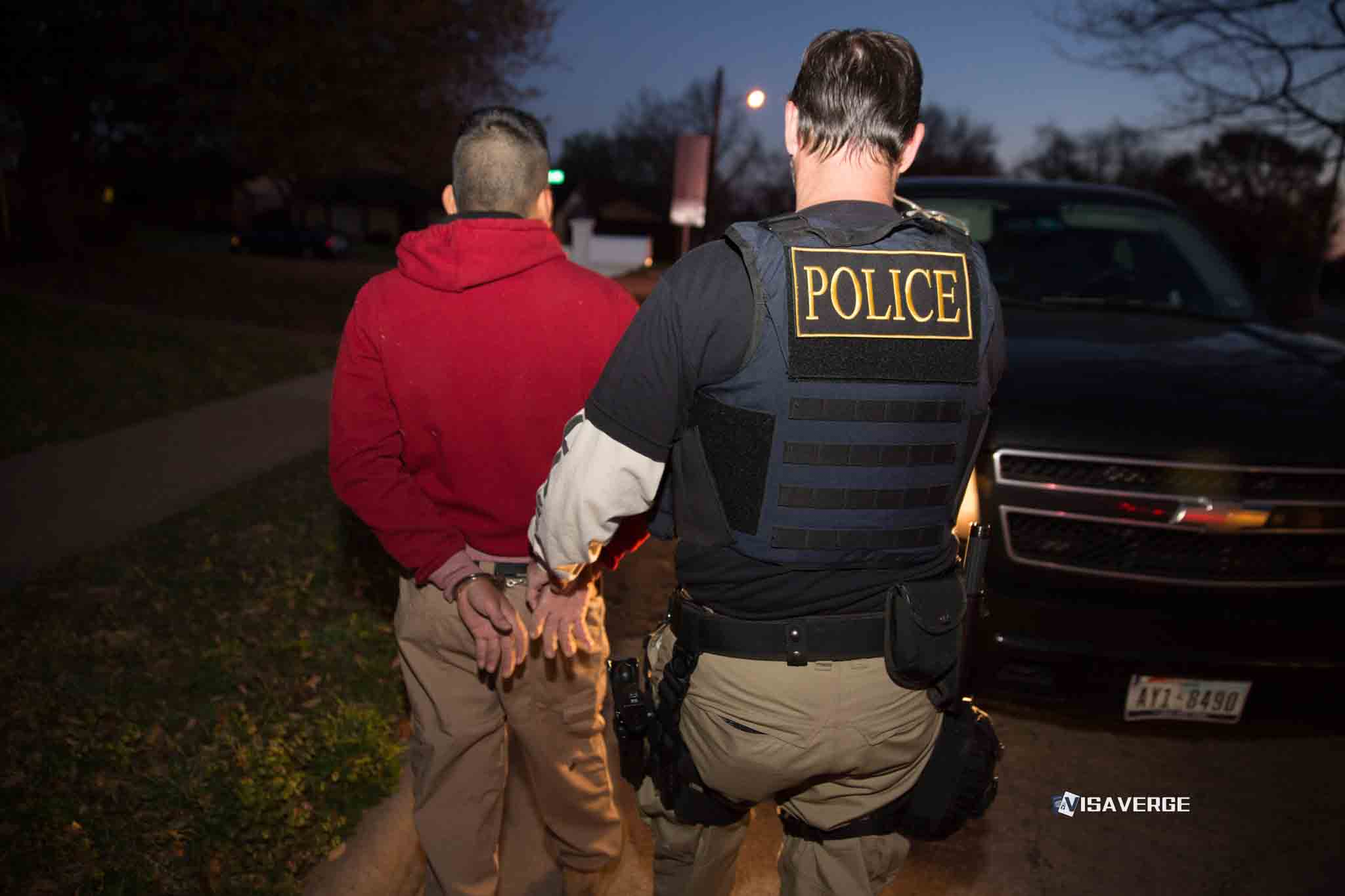
The Minneapolis shooting on Wednesday, January 7, 2026, has become the main catalyst for local marches and a broader national push to challenge ICE tactics and demand independent oversight of federal immigration enforcement.
An ice enforcement and removal operations (ERO) Special Response Team officer shot and killed Good, 37, as she drove past immigration officers in south Minneapolis.
A U.S. official identified Good as a U.S. citizen, while Minneapolis leaders said she was acting as a legal observer and was not a target of any ICE arrest.
Minneapolis Police Chief Brian O’Hara said “there is nothing to indicate that this woman was the target of any law enforcement investigation or activity,” and said the ice agent fired at least two shots, striking Good in the head. She was later pronounced dead at Hennepin Healthcare.
Court records identified the officer who fired as Jonathan Ross, an ICE ERO Special Response Team member who had previously been dragged by a car in a June incident and required 33 stitches.
The Department of Homeland Security and the Trump administration have said Good “weaponized her vehicle” and that the shooting was self‑defense, while witnesses, local officials and organizers have disputed that account.
DHS Secretary Kristi Noem called Good’s actions an “act of domestic terrorism,” saying officials have “seen over 100 of these vehicle rammings in just recent weeks” and claiming three occurred in Minneapolis on the same day.
Witnesses told local outlet WCCO they saw multiple federal agents block a Honda Pilot, an agent attempt to open the driver’s door, the vehicle shift into reverse and then drive, and then heard three shots before the Honda rolled forward and hit another car.
Video posted on social media, and reviewed by officials and media, has been cited by witnesses and experts as contradicting the claim that Good “ran over” an officer.
President Donald Trump posted that Good “ran over” the officer and later wrote that she “violently, willfully, and viciously ran over the ICE Officer,” although the video he shared did not show any officer being run over.
Minneapolis Mayor Jacob Frey publicly rejected the self‑defense narrative, calling it “bulls**t,” and writing in a New York Times op‑ed that the shooting was “sadly predictable” under the administration’s immigration policies.
Minnesota Governor Tim Walz said, “Don’t believe this propaganda machine,” and pledged his administration was “going to stop at nothing to seek accountability and justice.”
The Minnesota Bureau of Criminal Apprehension (BCA), led by Superintendent Drew Evans, is investigating the shooting, placing the case in the hands of a state agency as disputes over the federal account intensify.
The second flashpoint came the next day in Portland, Oregon, where Border Patrol agents carried out what officials described as “a targeted vehicle stop” and shot two people. The two people were hospitalized and later treated.
DHS and the Trump administration likewise said the Portland shooting was self‑defense against a “weaponized” vehicle, and organizers pointed to the two incidents as a paired warning about the risks of fast-moving federal operations.
Organizers cited by Axios said that by Friday evening there were 580 events planned nationwide, with expectations that the total could exceed 1,000, a surge they framed as a rapid-response mobilization.
Indivisible, a progressive network, said hundreds of protests were planned in Texas, Kansas, New Mexico, Ohio, Florida and other states, many under the “ICE Out for Good” name.
Indivisible and its local chapters had already organized protests in all 50 states the previous year, and are now partnering with groups such as 50501 / 5‑0‑5‑0‑1, Disappeared in America Campaign, Voto Latino, and the ACLU for this weekend’s mobilizations.
In Minneapolis, a coalition of migrant‑rights groups called for a major rally and march at Powderhorn Park, about half a mile from where Good was shot, tying the weekend’s message directly to the location of the killing.
Organizers said the Powderhorn Park event will both celebrate Good’s life and demand an “end to deadly terror on our streets.”
The city has also seen recent demonstrations near the Whipple Federal Building, where federal officers used pepper balls, flash‑bangs and chemical irritants, and at least 30 people were cited and released during Friday‑night demonstrations that drew hundreds. Protesters threw ice, snow and rocks at officers and vehicles, with no serious injuries reported.
Outside Minnesota, Axios reported “nationwide vigils and protest activities” with events registered in all 50 states, many coordinated in less than a day, according to Sarah Parker, executive director of Voices of Florida and a national 50501 partner.
“You can only fill a cup so much before it starts to overflow. And I believe it’s overflowing right now,”
Organizers said the “ICE Out for Good” actions aim to humanize victims of immigration enforcement and demand accountability from ICE and related agencies, framing Good’s death and the Portland shooting as part of a broader civil liberties fight.
In a joint statement quoted by Axios, organizers said, “Good and the victims in Portland reflect a larger and deeply troubling trend of unregulated violence and mistreatment by federal immigration enforcement agencies.”
Many rallies are explicitly calling for an end to ICE’s presence in their communities, independent investigations and potential prosecutions of involved officers, and broader changes to Trump‑era immigration enforcement and DHS operations.
The White House response has emphasized enforcement protections, with spokesperson Abigail Jackson warning in a statement to Axios that interfering with federal enforcement officers is a crime and saying “those crimes will [be] held accountable [to] the fullest of the law.”
Walz has said he is preparing the National Guard amid the furor over the Minneapolis shooting, while urging protesters to remain peaceful: “If you protest and express your First Amendment rights, please do so peacefully as you always do. We can’t give them what they want.”
DHS is simultaneously pursuing what it calls its “biggest‑ever immigration enforcement operation” in the Twin Cities, with more than 2,000 federal officers deployed and thousands surged into Minnesota, partly tied to alleged benefits and immigration fraud involving Somali residents.
Some of those officers arrived in Minnesota after abruptly pulling out of Louisiana, where they had been participating in another operation scheduled to continue until February.
Elected officials and organizers have sharpened their language as the protests approach, casting Good’s death as a test of oversight and accountability for federal immigration teams operating in U.S. cities.
“ICE must stop terrorizing our communities and leave our city.”
Rep. Ilhan Omar (D‑Minnesota) said Good was a “legal observer” and declared the statement above.
“ICE should leave now for everyone’s safety. Please be safe Minneapolis.”
Sen. Tina Smith (D‑Minnesota) emphasized that Good was a “U.S. citizen” and said the statement above.
“This was murder by ICE officials. They did not need to shoot somebody that was leaving the scene,”
Local organizer Jaylani Hussein, a civil‑rights advocate in Minneapolis, called ICE “untrained, unmanageable and not being able to deescalate a situation.” He added, “No ICE. No one is above the law.”
Coordinated ‘ICE Out for Good’ rallies have been organized in response to the fatal shooting of Renee Nicole Good in Minneapolis and injuries in Portland. Federal officials maintain the shootings were acts of self-defense, but video evidence and local leaders contradict these claims. Activists and elected officials are now demanding increased accountability, independent state-led investigations, and a total withdrawal of ICE from local jurisdictions amid escalating civil unrest.