- President Ferdinand Marcos Jr. warns that grounding commercial flights is a distinct possibility due to fuel shortages.
- Jet fuel prices skyrocketed from $90.87 to nearly $200 per barrel following Iran-related geopolitical tensions.
- Regional carriers like Cebu Pacific are reducing flight frequencies to manage surging operational costs and supply risks.
(PHILIPPINES) — President Ferdinand Marcos Jr. warned on March 24, 2026, that grounding commercial planes because of a jet fuel shortage linked to the Iran war is a “distinct possibility,” as several countries refuse to refuel Philippine aircraft and force airlines to carry fuel for round trips.
Marcos said long-haul routes face the most serious problems because they need larger fuel loads and steady refueling access.
“We’re hoping not, but it’s a distinct possibility,”
he said.
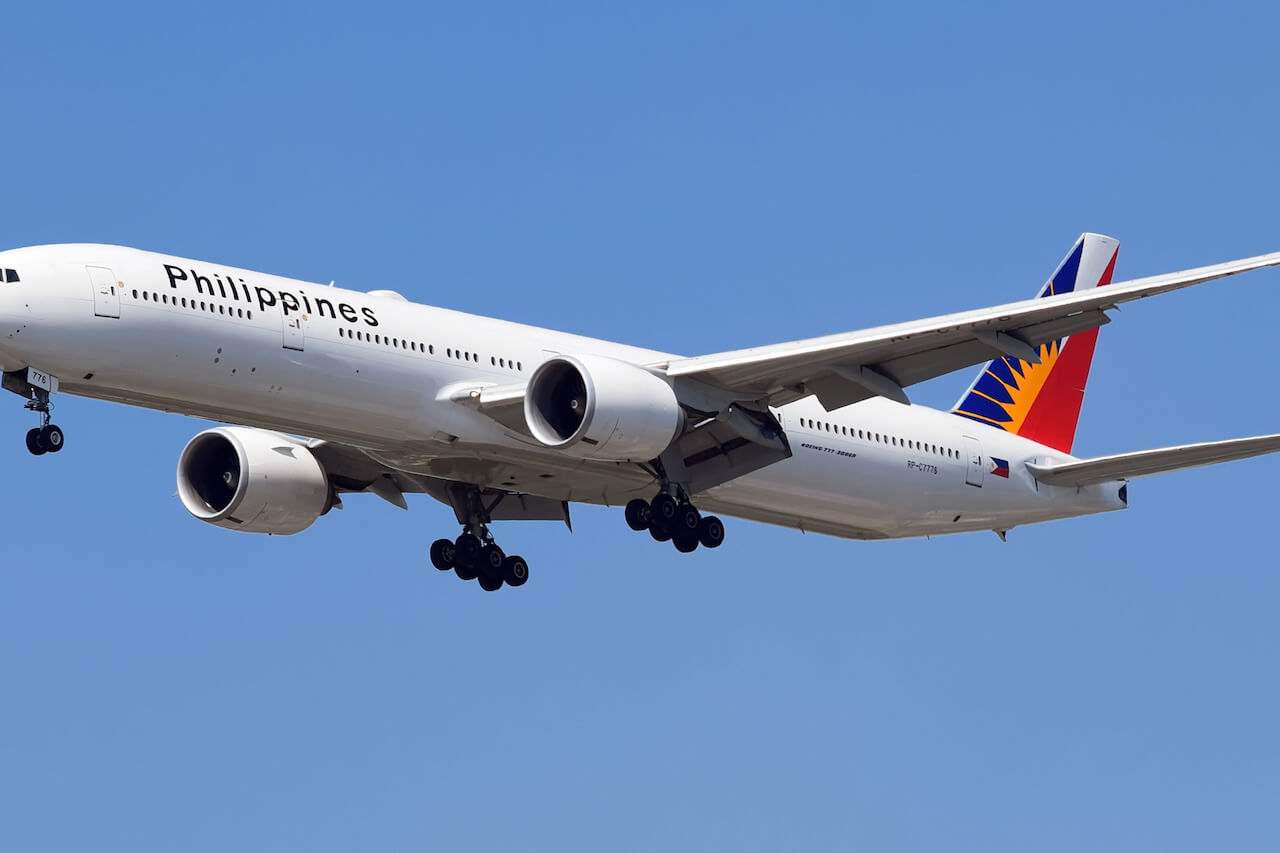
His warning pushed aviation disruptions into the center of a broader fuel and transport emergency in the Philippines, where soaring energy costs have already begun to hit airlines, drivers and commuters. Uneven refueling access abroad has added pressure, with some foreign locations helping Philippine aircraft while others have limited access.
Cebu Pacific, also called Cebu Air, said on March 23, 2026, that it plans to reduce flights starting next month because of surging fuel costs. The move showed that carriers are already adjusting operations before shortages turn into outright cancellations.
The pressure has built quickly. Jet fuel prices rose from $90.87 per barrel on February 19 to $188.2 on March 9, and now stand at $190–200 per barrel.
That pace matters most for low-cost carriers, which have less room to absorb sharp swings in operating costs. Fuel is one of the largest expenses for airlines, and the sudden rise has forced companies to protect cash and reassess which routes remain viable.
Regional airlines have begun taking similar steps. Vietnam Airlines suspended domestic routes, VietJet reduced frequency, and Bamboo Airways said it plans fewer services if prices stay high.
Those changes point to a wider market shock rather than a problem confined to one airline or one country. Carriers across the region are trying to preserve route networks where they can, while cutting back where fuel costs have become harder to sustain.
Marcos’ warning came as Energy Secretary Sharon Garin offered a more measured view of current supply. She said airlines had assured the government that sufficient fuel orders were in place, even as officials prepared for worse outcomes.
Garin framed the danger as a depletion risk rather than an immediate shutdown of all flights. She described the worst-case scenario as total depletion, with 50–60 days’ supply as of late February.
That level of inventory may calm concerns in normal conditions, but volatile markets can turn stock levels into a source of anxiety when supply routes face disruption. Traders, airlines and transport operators are weighing not only how much fuel exists now, but how reliably it can be replaced.
Garin said the government was prioritizing overall fuel reserves over prices as disruptions around the Strait of Hormuz affect 20% of global oil. The wider energy picture extends beyond aviation, with officials also watching power generation and public transport.
She said the country may shift to coal power from April 1 if LNG prices soar. Garin also stressed the place of diesel in daily movement across the country, saying, “It is far worse to have no diesel at all than to have it at a high price,” warning of halted public transport, air, and sea travel.
That comment tied the airline warning to a broader economic concern. Jet fuel shortages threaten flight schedules, but diesel shortages or price spikes can hit buses, jeepneys, delivery vehicles and airport access at the same time.
Officials have begun taking countermeasures aimed at containing the squeeze before it spreads further. The government formed a committee to avert shortages and started investigating over 400 gas stations for alleged hoarding.
Authorities also moved to reduce costs facing carriers. Acting Transportation Secretary Giovanni Lopez ordered cuts to aviation-related charges on March 18, including passenger service and navigation fees, to ease pressure on airlines.
That step sought to offset part of the rise in fuel costs by trimming other expenses in the aviation system. For airlines already reshaping schedules, even limited relief on fees can affect decisions on whether to keep marginal routes operating.
The government is also considering 1–2 million barrels of emergency oil. Such a reserve would give officials a buffer if commercial supplies tighten further, helping preserve fuel access for aviation and other sectors while markets remain unstable.
Those moves show policymakers trying to buy time. They are attempting to prevent supply disruption in one part of the fuel market from feeding quickly into airports, roads and the wider economy.
Pressure is already visible well beyond airline balance sheets. Transport groups including PISTON held strikes on March 19 and 20 over fuel prices.
Another transport group, the Alliance of Concerned Transport Organizations, planned a nationwide holiday on March 23. The labor action reflected the strain on drivers and operators facing higher daily fuel costs, and on commuters who can be left with fewer transport options.
Street-level unrest adds another layer to the aviation problem. If drivers cut service or protest, access to airports and movement within cities can become harder even before flight schedules are reduced.
That creates a chain effect. Airlines may face higher fuel bills and uncertain refueling abroad, while passengers at home face disruptions getting to terminals or onward to destinations after landing.
The fuel crisis traces back to Iran-related tensions that began on February 28. Market fears centered on shipping through the Strait of Hormuz, a chokepoint that affects 20% of global oil.
When anxiety rises around such a route, prices move fast because traders and buyers fear delays, rerouting or tighter supply. Aviation fuel and diesel costs can jump in tandem, leaving both airlines and ground transport operators exposed.
In the Philippines, that translated into rapid cost escalation for jet fuel and pain at the pump. Some diesel prices in parts of the country were reported above P100 per liter.
For transport workers, those prices hit every trip. For airlines, the shock arrives through both direct fuel costs and the operational burden of carrying extra fuel when some countries refuse to refuel Philippine aircraft.
That burden falls hardest on long-haul routes, which need heavier fuel loads and careful planning around range and payload. When carriers must carry enough fuel for round trips, the margin for normal operations tightens further.
Marcos’ warning captured that shift from cost pressure to operational risk. Fuel is no longer only an accounting issue; it has become a factor in whether some flights can run normally at all.
Still, the government has tried to balance alarm with reassurance. Garin’s message that airlines have placed sufficient fuel orders suggests officials do not see an immediate collapse in supply, even as they prepare for the worst-case scenario she described.
That split in tone reflects the nature of the crisis. Current orders may cover near-term needs, but volatile energy markets, uneven refueling conditions abroad and regional route cuts by other airlines all point to continuing pressure.
Cebu Pacific’s decision to reduce flights starting next month gives that pressure a clear timetable. Rather than wait for supply to run short, the carrier is acting now as jet fuel costs remain elevated at $190–200 per barrel.
Other airlines in the region have reached similar conclusions. Vietnam Airlines suspended domestic routes, VietJet reduced frequency, and Bamboo Airways signaled further reductions if prices stay high, showing that carriers are cutting back to preserve cash and protect route viability.
The Philippine government, meanwhile, is using multiple levers at once. It has lowered some aviation charges, examined gas stations for hoarding, formed a shortage-response committee and weighed the use of emergency oil reserves.
Those are defensive measures, not a cure for the global forces driving the crisis. The country still faces exposure to a market shaken by Iran-related tensions and fear over a shipping chokepoint vital to world oil flows.
For now, officials are trying to keep that external shock from turning into a domestic breakdown in transport. Airlines are trimming schedules, transport groups are protesting costs, and consumers are absorbing higher prices across daily life.
Marcos put the risk in blunt terms when he said grounding commercial planes remained possible. As the government races to hold fuel supplies steady, that warning hangs over an aviation system already strained by soaring jet fuel prices and a transport network feeling the same shock on the ground.