Airline gate agents and help-desk staff regularly reissue a missing boarding pass for passengers who misplace it after clearing airport security. The slip-up can feel urgent when the departure board shows a tight timeline, but it usually does not mean the traveler will miss the flight.
Passengers tend to notice the problem at the worst moment: when a line forms at the podium, a boarding group is called, or a last-minute seat check triggers another look at documents. At that point, the boarding pass becomes less about proof of purchase and more about keeping the boarding process moving.
Once a traveler completes check-in and gets through airport security, the airline already has a record that the person is checked in and tied to a specific reservation. In routine operations, staff treat the boarding pass as an access and processing marker, while identity and booking eligibility remain the core checks.
Air travel systems also layer controls, which is why losing a boarding pass can be confusing in the first place. A traveler moves through check-in, possible immigration steps, security screening, then gate control, and each point may request a scan or visual check even though the underlying reservation stays in the airline’s system.
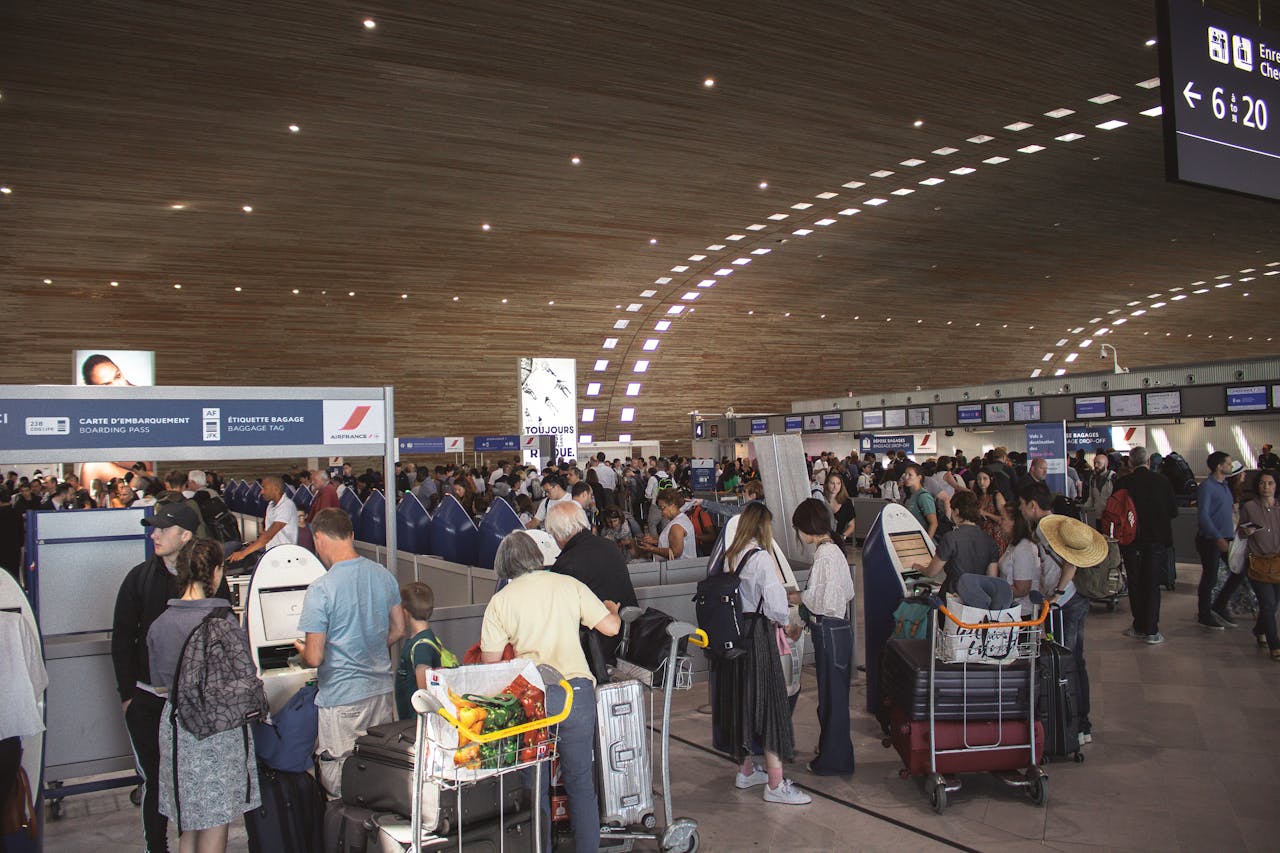
That layered design is also why timing matters more than the piece of paper. Crowding near a gate, last-second announcements, and a rush of passengers scanning codes can compress the window for staff to resolve issues without slowing the line.
The most common operational advice from airline staff is to stay inside the secure zone if the loss happens after screening. Exiting can trigger a repeat security screening and force a traveler back into queues that move at peak-hour pace.
From there, passengers typically get help from the closest airline touchpoint, which may be the gate podium or a nearby airline service desk. Staff usually start with the reservation, pull up the booking using details tied to the trip, then confirm identity before they reissue anything.
Agents often handle the situation in a few quick steps, but several issues can slow it down. Name mismatches, standby status, last-minute seat changes, and added document checks for international segments can turn a simple reprint into a longer verification.
The urgency rises as boarding progresses because gates do not stay open until departure time. Boarding gates typically close 15–30 minutes before departure, which can leave little room for back-and-forth if a traveler waits until the final call to report the missing pass.
Airline staff also try to keep passengers moving within the secure area because the priority becomes getting the traveler to the correct gate with enough time for a scan. In a busy concourse, the same problem can look different depending on whether the traveler is steps from the podium or running from a gate change.
Replacements often come in multiple formats, and the fastest option depends on what the passenger can access at that moment. A paper reprint is common at the gate or service desk after verification, especially for travelers who prefer something they can hand over quickly at boarding.
Mobile options can be quicker when a phone is available and connected. Many travelers check in online and store passes in an airline app, and a mobile boarding pass can still get them through the gate even if the paper copy is gone.
Email and text notifications can also serve as a practical fallback, because they may contain a link that lets a traveler retrieve the pass without standing at a printer. In practice, travelers often succeed simply by reopening the confirmation channel they used during check-in and pulling the code back up.
Those digital channels can fail in predictable ways, which is why gate agents frequently see the same complications. A dead phone battery, poor signal, a forgotten app login, or difficulty accessing an account can push the traveler back to a staffed reprint even if they originally checked in on a phone.
Even when a traveler can retrieve the pass digitally, staff may still need to confirm the details if a system shows a mismatch or if a manual override is required. In a tight boarding window, airline employees often pick the method that reduces clicks and avoids additional troubleshooting at the podium.
For travelers trying to resolve the situation quickly, the documents and identifiers that matter are the ones that allow an agent to find the reservation and confirm the passenger’s identity. In most cases, that means the details linked to the booking and a government-issued photo ID that matches the reservation.
Domestic travel usually makes that process more straightforward. After staff verify the passenger’s ID and reservation, they can reissue the boarding pass, and travelers can proceed to the scanner at the gate without additional layers beyond what the airport’s procedures require.
Some domestic operations add a final check that resembles a quick validation step. Security staff may validate or re-stamp the reissued pass before letting a traveler proceed, depending on how the airport manages movement in the sterile area.
International travel can add checks that are less visible to passengers but central to airline decision-making. Airlines may verify passport details against flight records before they reissue a boarding pass, and that can tie directly to boarding clearance.
Some airports also coordinate with immigration authorities to confirm a traveler has already cleared exit formalities. That can make the loss of a boarding pass feel more serious on an international itinerary, even if the underlying fix remains a verification and reissue.
Airlines also face higher stakes on international segments because document validation systems and carrier liability rules can require staff to pause boarding until they confirm the traveler meets requirements tied to that flight. In those cases, gate control is not only about scanning a code but also about confirming the passenger is cleared to travel.
The fastest resolution still tends to happen when the traveler remains airside and seeks help at the nearest staffed point. When a passenger exits the secure area, the fix can stretch out simply because re-entry may require another security screening and more waiting time before they can even reach the gate again.
Passengers who get the problem solved quickly often share a few common habits. Many keep access in more than one format, such as using the app while also saving the email confirmation, so they can retrieve the pass even if one channel fails.
Another practice is keeping reservation details somewhere easy to reach, rather than buried in a bag or locked behind an account password that cannot be recalled in a hurry. When agents can pull up a booking quickly, they can spend their time confirming identity instead of searching.
Travelers also build in extra time because airport conditions change fast. Peak-hour lines, crowded concourses, and last-minute gate changes can shrink the margin that would otherwise cover a quick trip to a help desk for a reprint.
Communication at the podium can also affect how fast an agent can act. Gate agents are trained to assist travelers in these scenarios, and clear communication helps them choose the quickest method—paper, app reload, or email link—without cycling through options that do not work.
A lost boarding pass after airport security remains a problem of process, not a final verdict on a trip. Replacement is generally available after verification, but speed and document readiness often determine whether the experience feels routine or turns into a sprint to the scanner as the gate closes.
Lose Your Boarding Pass After Security? Gate Staff Can Reprint It
Losing a boarding pass after airport security is an operational hurdle rather than a travel-ending event. Airlines can reissue passes via digital or paper formats at gate podiums or service desks by verifying identification. Staying airside and having digital backups in airline apps or email significantly speeds up the replacement process, especially during the tight window before a flight’s final boarding call.